
Are Volvos Easy to Work On? The Honest Answer Depends on the Year

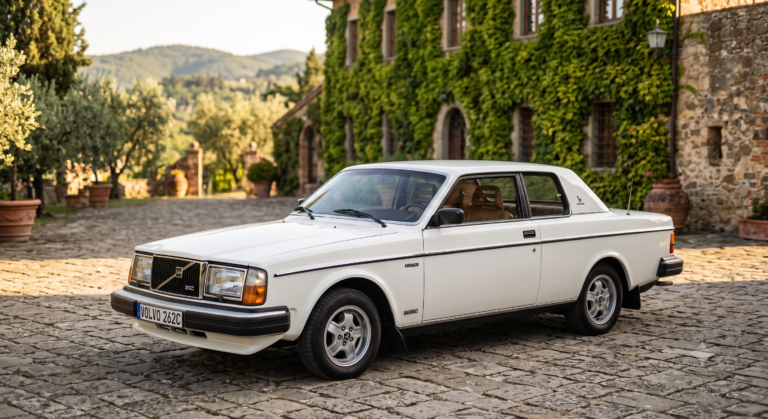
- Old Volvos (240/740/940 era): yes, very easy — big engine bays, simple electronics, and parts that forgive mistakes.
- 2000s–early-2010s Volvos: moderately DIY-friendly — tighter packaging, but enthusiast diagnostics (VIDA/DICE) make most jobs doable.
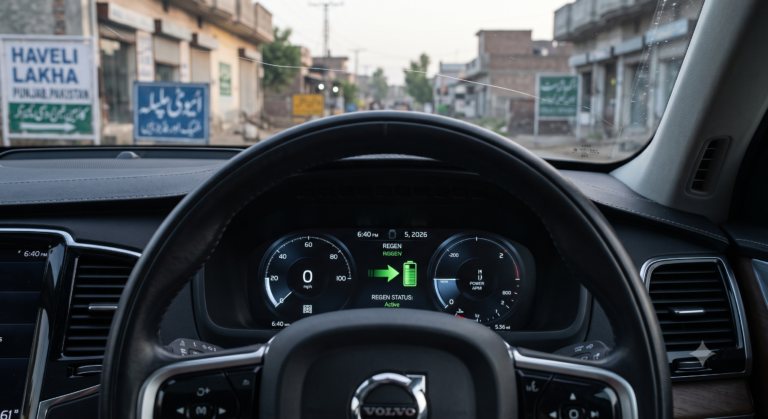
- 2015-and-newer SPA/CMA Volvos: much harder — software-locked modules often need an official VIDA subscription, which is the biggest DIY barrier on modern cars.
- Expect roughly $770–$1,050 a year in maintenance and repairs if a shop does the work — DIY on the easy jobs cuts that substantially.
It depends entirely on which Volvo you’re talking about. A 1990 Volvo 240 is one of the easiest cars on earth to fix. A 2024 XC90 can lock you out of repairs with software. Here’s an honest breakdown by era, skill level, and job.
The short answer, by era
| Era | Example models | DIY difficulty | Why |
|---|---|---|---|
| 1975–1998 (RWD bricks) | 240, 740, 940 | 🟢 Easy | Longitudinal engines, cavernous bays, minimal electronics. The gold standard of DIY Volvos. |
| 1999–2015 (Ford era) | S40, S60, S80, XC90, V70 | 🟡 Moderate | Transverse engines in tighter bays, but well documented and diagnosable with enthusiast tools. |
| 2015–today (SPA/CMA) | XC90, XC60, S90, XC40, EX40 | 🔴 Hard | Software-locked modules, dense packaging, and repairs that require dealer-level software downloads. |
The dividing line isn’t really mechanical — it’s software. Around the 2015 model year, Volvo moved critical functions behind dealer-level software, and that’s what changed DIY forever on new cars.
What’s your wrench level?
Pick the description that fits you — the advice changes completely.
Easy DIY jobs on (almost) any Volvo
These are worth doing yourself on every era. Click a column header to sort.
| Job | Difficulty | Basic tools needed | Notes |
|---|---|---|---|
| Engine oil & filter | Beginner | Ramps or jack stands, wrench, drain pan | Straightforward on every era; 7,500–10,000 mile intervals. |
| Engine air filter | Beginner | Screwdriver | Often a 10-minute job, no lift needed. |
| Cabin air filter | Beginner | Usually none | Behind the glovebox on most models. |
| Brake pads & rotors | Beginner–Intermediate | Jack stands, socket set, C-clamp | Volvo brakes are conventional; the parking-brake mechanism needs care on newer cars. |
| Battery replacement | Beginner | Wrench | Newer cars may need the battery management system reset. |
| Spark plugs (older models) | Beginner | Socket set, gap gauge | Easy on RWD bricks; tighter on transverse 5-cylinders. |
Jobs to think twice about
- Timing belt on 5-cylinder white blocks — very doable with experience, but these are interference engines: mistime the belt and you’ll bend valves. Interval is roughly every 105,000–120,000 miles or 10 years.
- PCV breather system (P2 5-cylinders) — the job itself is fiddly rather than hard, but a clogged PCV pressurizes the crankcase and blows seals. If your oil cap dances at idle, don’t ignore it.
- Early Drive-E oil consumption (2015–2016 2.0L) — some early Drive-E engines drink oil. Check the level regularly; a rebuild is not a beginner job.
- Electric parking brake service — on newer cars the rear calipers need to be retracted electronically before a pad swap.
Jobs best left to a shop
| Job | Why it’s shop territory |
|---|---|
| Anything needing a software download | Module replacement, key programming, and many calibrations on 2015+ cars require an official VIDA subscription. |
| Automatic transmission work | Specialist tools, fluid procedures, and adaptation resets — especially the early XC90’s fragile gearbox. |
| Airbag / SRS system | Safety-critical; mistakes can deploy airbags or leave them dead. Let a pro handle it. |
| A/C refrigerant service | Legally requires recovery equipment in most places. |
| Timing belt (first-timers, interference engines) | The 5-cylinder white blocks are interference engines — a mistimed belt bends valves. Experienced DIYers do it; beginners shouldn’t learn here. |
| Rust repair / structural welding | Structural integrity and safety are on the line. |
The software problem (2015+ cars)
On SPA and CMA Volvos, replacing a module, programming a key, or calibrating a sensor often requires downloading software to the car through VIDA, Volvo’s official diagnostic system. Enthusiast VIDA/DICE setups work well on 1999–2015 cars, but newer cars need the paid subscription — and that subscription is priced for shops, not hobbyists. Before buying a modern Volvo as a DIY project, understand this: the computer, not the wrench, is now the gatekeeper.
What you’ll pay when you can’t DIY
If a shop does everything, budget roughly $770–$1,050 per year in maintenance and repairs — well below BMW, Mercedes, or Audi, but about double a Toyota or Honda. An independent Volvo specialist typically charges 20–40% less than a dealer for the same work, and for software-dependent jobs on newer cars, a good indie with a VIDA subscription is the sweet spot.
Frequently asked questions
Are Volvos easy to work on for beginners?
Older ones, yes. A 240, 740, or 940 is one of the best cars ever made for learning mechanics — simple, spacious, and forgiving. A 2016+ SPA-platform Volvo is a poor first project because software locks limit what you can do without dealer tools.
What is the hardest Volvo repair for a DIYer?
On modern Volvos, anything requiring a software download to the car’s modules — key programming, module replacement, calibrations — because it needs an official VIDA subscription. Mechanically, transverse timing belts and automatic transmission work top the list.
Do I need special tools to work on a Volvo?
Basics cover most jobs, but two Volvo-specific items help enormously: a VIDA/DICE diagnostic setup for 1999–2015 models, and Torx/E-Torx sockets, since Volvo loves Torx fasteners. For 2015+ cars, the ‘special tool’ is increasingly a VIDA software subscription.
Are Volvo parts expensive?
Genuine Volvo parts cost more than Honda or Toyota equivalents, but quality aftermarket brands (and FCP Euro’s lifetime replacement policy on many parts) keep costs reasonable. Parts for RWD bricks remain cheap and plentiful.
How much does Volvo maintenance cost if I don’t DIY?
Most estimates land between $770 and $1,050 per year for maintenance and repairs — cheaper than BMW, Mercedes, or Audi, but roughly double a Toyota or Honda. DIY on routine jobs cuts that substantially.
Which Volvo is the easiest to work on?
The rear-wheel-drive 240 (1975–1993): a longitudinal engine in a huge bay, minimal electronics, and thirty years of forum documentation for every conceivable job.