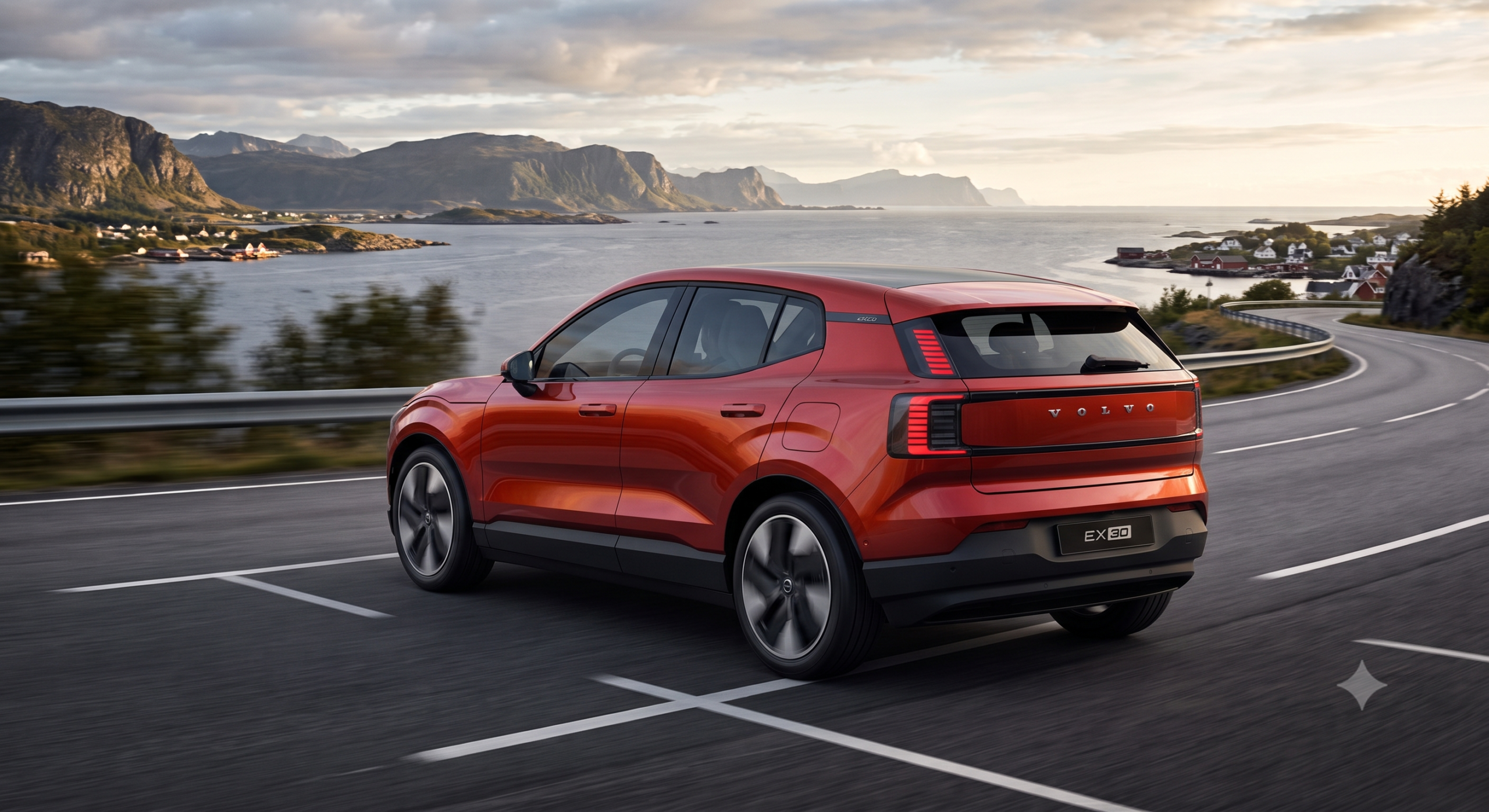
Is the Volvo EX30 Fully Electric?

You bet it is! The Volvo EX30 is as electric as your grandma’s favourite Christmas sweater – minus the tacky lights. This compact SUV is Volvo’s latest step in their grand plan to go all-electric. It’s like they’re throwing a farewell party for gasoline, and the EX30 is the guest of honour.
Now, you might be wondering, “Why should I care about another electric car?” Well, hold onto your hats because the EX30 isn’t just any electric car. It’s like the Swiss Army knife of EVs – small, versatile, and packed with surprises. Let’s break it down, shall we?
Key Features of the Volvo EX30 Electric SUV
Powertrain and Performance
The EX30 comes in two flavours: single motor and twin motor. It’s like choosing between a scoop of vanilla or a double-scoop sundae – both are sweet, but one’s got a bit more oomph.
The single-motor version is no slouch. With 268 horsepower, it’ll zoom from 0 to 60 mph in 5.1 seconds. That’s faster than you can say, “Where did I put my keys?” And it’ll keep going for 275 miles before needing a juice-up. Not too shabby, right?
But wait, there’s more! The twin-motor version is like strapping rockets to your shoes. It boasts a whopping 422 horsepower and can hit 60 mph in just 3.4 seconds. That’s supercar territory, folks! The trade-off? A slightly shorter range of 265 miles. But hey, who needs range when you’re having this much fun?
Compared to other EVs in its class, the EX30 is like that overachieving kid in school who’s good at everything. It’s got the speed of a sports car, the practicality of an SUV, and the eco-friendliness of a bicycle. Talk about a triple threat!
Battery and Charging Specifications
Now, let’s talk juice. The EX30 comes with a 69kWh battery pack with 64kWh of usable energy. It’s like having a really big phone battery, except this one can move you around town.
Need a quick charge? No problem! With DC fast charging, you can go from 10% to 80% in just 26.5 minutes. That’s about the time it takes to grab a coffee and complain about the weather. For home charging, you’re looking at about 8 hours on a 240V system. Perfect for overnight charging while you’re dreaming about your next road trip.
Design and Aesthetic Appeal of the Volvo EX30
Exterior Design and Dimensions
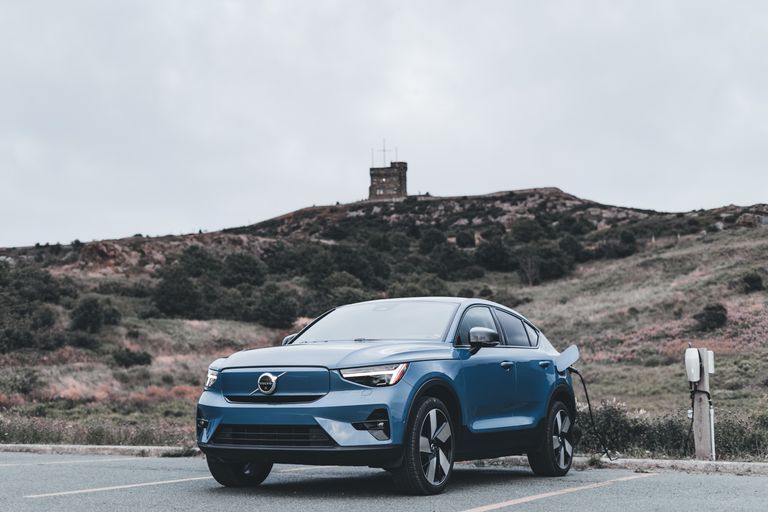
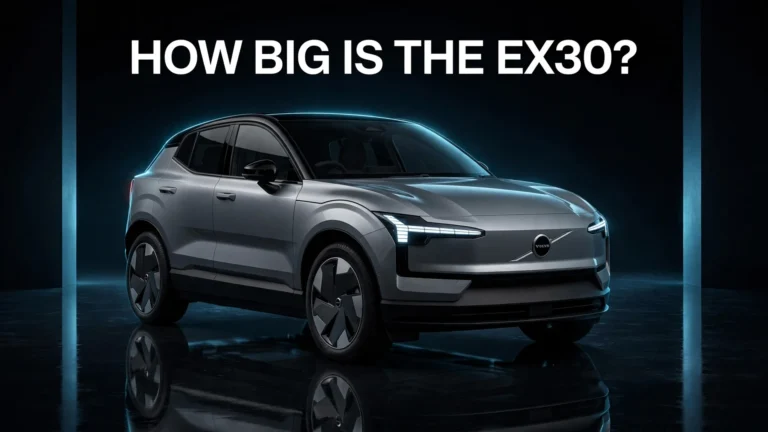
The EX30 is like that cool, minimalist apartment you’ve always wanted. It’s compact and perfect for squeezing into tight city spots. But don’t let its size fool you – this little guy has a presence.
With its contemporary dual-tone styling, it’s like the automotive equivalent of a tuxedo. You can even get it with a snazzy Onyx Black roof. It’s not just about looks, though. Volvo’s gone all eco-warrior on us, using 17% recycled plastics and 25% recycled aluminium. It’s like they’re making cars out of old water bottles and soda cans!
Interior Comfort and Technology
Step inside, and you’ll find a cosy five-seat cabin that feels like it was designed by Mother Nature herself. You’ve got options like Breeze, Mist, Pine, and Indigo – it’s like bringing the outdoors in, minus the bugs and sunburn.
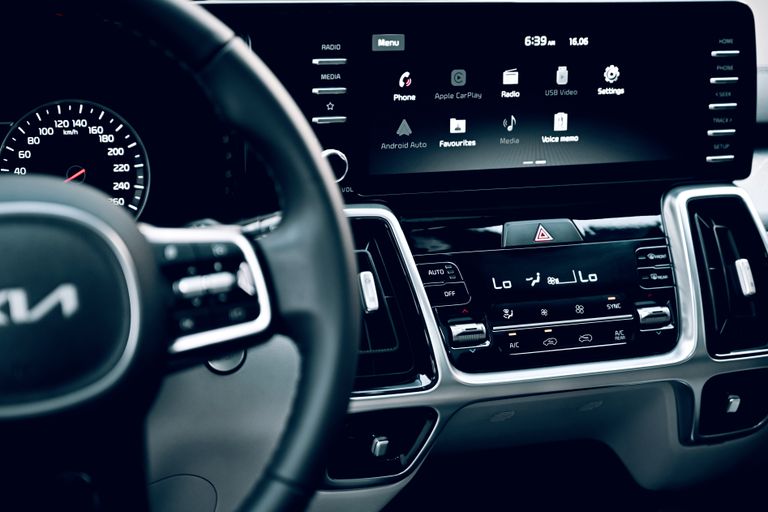
The star of the show is the 12.3″ tablet-style centre display. It’s got Google Built-in, which means Google Maps, Google Assistant, and probably a way to order pizza without taking your hands off the wheel. And let’s not forget the soundbar – it’s not just for music, it’s a conversation piece!
How Sustainable is the Volvo EX30?
Environmental Impact and Sustainability Features
Volvo’s not just talking the talk; they’re walking the walk. The EX30 has the smallest carbon footprint of any Volvo to date. It’s like they’ve put the car on a carbon diet!
They’re using recycled materials like it’s going out of style – 25% of the aluminium, 17% of the steel, and 30% of the interior plastics are all recycled. It’s like the EX30 is wearing hand-me-downs but in a really cool, eco-friendly way.
And with its minimalist design, they’re not just reducing waste; they’re making less look like more. It’s the Marie Kondo of cars – only keeping what sparks joy!
Technology and Safety Features in the Volvo EX30
Advanced Safety Systems
Volvo’s always been obsessed with safety, and the EX30 is no exception. It’s got more safety features than a bubble wrap factory. We’re talking forward collision warning, automatic emergency braking, and even a “door opening alert” to avoid hitting cyclists. It’s like having a really paranoid friend always looking out for you.
And let’s not forget the semi-autonomous driving features, including Park Pilot Assist. It’s like having a valet on your dashboard!
Infotainment and Connectivity
The EX30 is smarter than some of my old classmates. With Google Built-in, it’s always connected and ready to help. Need directions? Ask Google. Want to know the capital of Burkina Faso? Ask Google. Wondering why you bought an electric car? Well, maybe don’t ask Google about that one.
It’s also got over-the-air updates, so your car can learn new tricks without visiting the dealership. And get this – one of the phone charging ports doubles as the ignition key. It’s like your phone is the new car key. Welcome to the future, folks!
How Does the Volvo EX30 Compare to Other EVs?
Price and Market Position
Now, I know what you’re thinking – “All this fancy tech must cost a fortune, right?” Well, hold onto your wallets because the EX30 is surprisingly affordable. It’s like finding a designer outfit at a thrift store price.
Compared to other EVs in its class, the EX30 is like that overachieving student who also happens to be really popular. It’s got the range, the performance, and the features to compete with the best of them, often at a lower price point.
Driving Experience and Handling
Driving the EX30 is like dancing through the city streets. It’s small enough to zip through traffic but solid enough to feel safe. The one-pedal driving mode makes it super efficient in urban settings – it’s like playing a video game, except the high score is how much energy you save.
The steering feel is solid but a bit softer than some sportier EVs. It’s like comparing a comfy armchair to a rigid office chair – both have their place, but one’s definitely more relaxing for daily use.
FAQs About the Volvo EX30 Electric
What is the Driving Range of the Volvo EX30?
The single-motor version will take you about 275 miles on a single charge, while the twin-motor version goes for 265 miles. That’s like driving from New York to Washington, D.C., with enough juice left over to circle the National Mall a few times!
How Fast Does the Volvo EX30 Charge?
With DC fast charging, you can go from 10% to 80% in about 26.5 minutes. That’s faster than some people take to decide what to order at a drive-thru! At home, it’ll take about 8 hours to fully charge – perfect for overnight juicing.
What Are the Trim Levels and Customization Options?
Volvo keeps it simple with the EX30. You’ve got your choice of motors, a few colour options, and some feature packages. It’s like a choose-your-own-adventure book but for cars.
Is the Volvo EX30 Suitable for Families?
Absolutely! It might be compact, but it’s got space where it counts. With five seats and all those safety features, it’s like a protective bubble for your loved ones. Plus, think of all the “Are we there yet?” questions you’ll avoid with that shorter charging time!
So there you have it, folks – the Volvo EX30 in all its electric glory. It’s small, it’s mighty, and it’s here to show that good things really do come in small packages. Now, if you’ll excuse me, I need to figure out how to fit one in my garage!