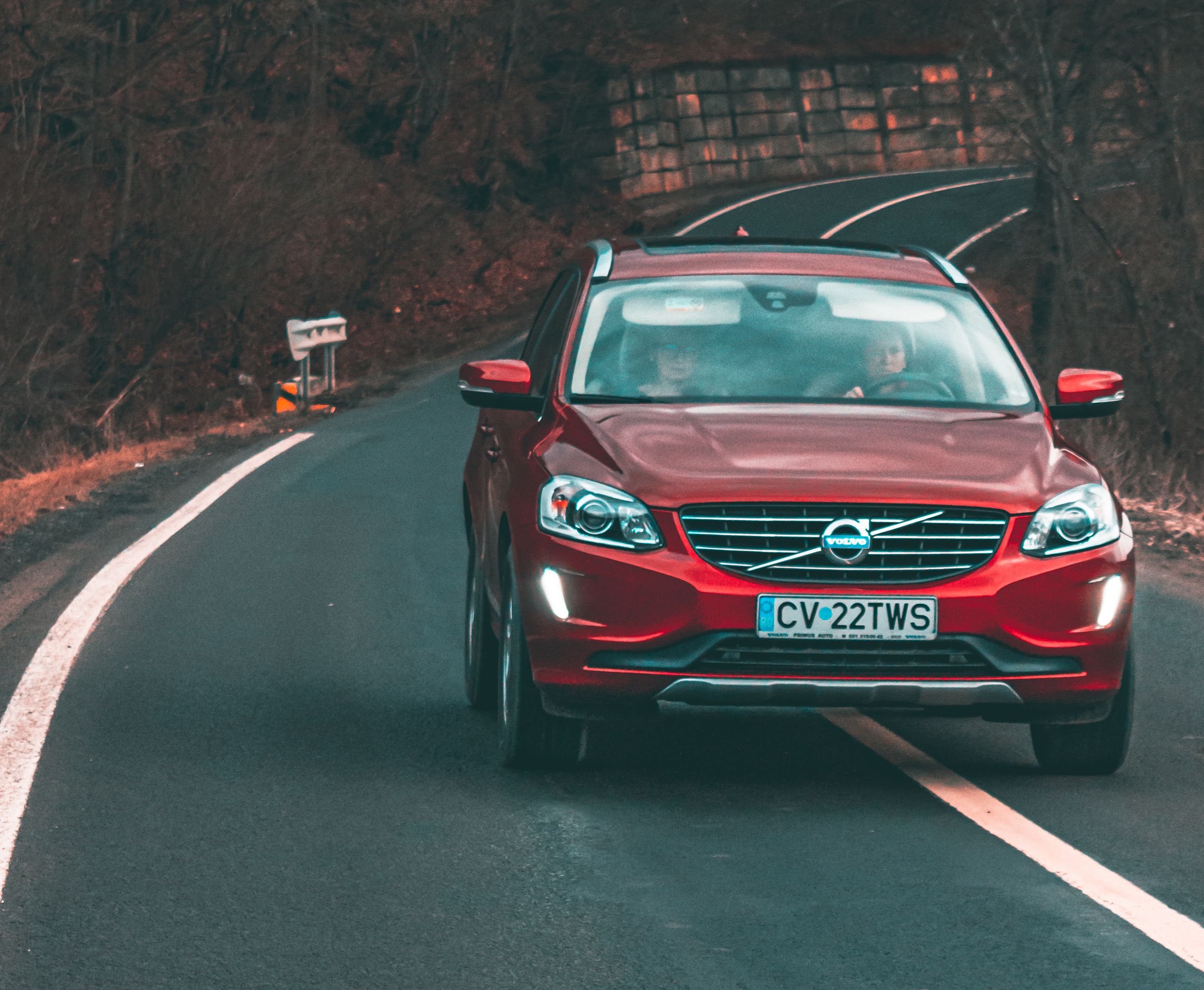
Volvo EX30 Review: Is It Worth Buying in 2025–26?

TL;DR
- The EX30 is Volvo’s smallest and most affordable EV, starting from around £33,000 in the UK and $46,195 in the US (Twin Motor only, as of May 2026).
- Real-world range lands between 200–230 miles on the extended-range model — solid for city use, a little tight for long trips.
- Performance is genuinely surprising: the Twin Motor version hits 0–62 mph in 3.6 seconds.
- The all-screen interior is polarising — you’ll either love the minimalism or miss having a proper instrument cluster.
- It earned a full five-star Euro NCAP rating in 2024, which is the kind of safety credential Volvo buyers expect.
Volvo promised an affordable, small electric SUV for the masses. Then tariffs, supply chain chaos, and two US presidential administrations got involved. The result? The EX30 still arrived — just not quite in the shape, or at the price, anyone expected. Whether that’s a problem depends entirely on what you need it to do.
What Is the Volvo EX30?
The EX30 is Volvo’s first purpose-built electric car — not an adapted combustion model — and its smallest since the 1970s. At 4.23 metres long, it sits closer to a hatchback than a proper SUV, though Volvo calls it a crossover. Think of it as a tall, confident hatch wearing a Scandinavian suit.
It sits on the Sustainable Experience Architecture (SEA) platform developed by parent company Geely — the same underpinnings as the Smart #1. That sounds alarming on paper, but the EX30 absolutely feels like a Volvo: hushed, composed, and well put-together.
Powertrain Options: Which EX30 Should You Choose?
There are three drivetrain options, depending on your market.
| Model | Battery | Power | 0–62 mph | WLTP Range |
|---|---|---|---|---|
| Single Motor | 51 kWh | 268 bhp | 5.7 sec | 209 miles |
| Single Motor Extended Range | 69 kWh | 268 bhp | 5.3 sec | 295 miles |
| Twin Motor Performance | 69 kWh | 422 bhp | 3.6 sec | 279 miles |
| Cross Country (4WD) | 69 kWh | 422 bhp | 3.7 sec | ~270 miles |
In the UK, all three are available from £33,000 upward. In the US (as of May 2026), only the Twin Motor Performance is sold, starting at $46,195 — a far cry from the $35,000 entry price originally promised.
Real-World Range: Honest Numbers
Official WLTP figures are always optimistic. Here’s what actual drivers report.
A six-month long-term test by Motoring Research found a real-world maximum of 225 miles on the extended-range model, with a usable day-to-day figure closer to 200 miles once you factor in not wanting to run it flat. Efficiency averaged just over 3.0 miles per kWh — which is below par for 2025 standards. The Ford Puma Gen-E, for comparison, achieves around 4.0 miles per kWh in similar conditions.
That said, fast-charging is genuinely impressive. The 69 kWh battery accepts up to 153 kW DC, meaning a 10–80% top-up takes around 27 minutes at a suitable rapid charger.
Performance: Faster Than It Has Any Right to Be
Even the base EX30 is quick. Zero to 62 mph in 5.7 seconds would have been sports car territory not long ago.
The Twin Motor version, though, is something else. With 422 bhp on tap, it launches to 62 mph in 3.6 seconds — which is supercar-quick in a box the size of a family hatchback. A 2025 test by TFLcar noted that it dispatches much larger, more powerful cars from traffic lights with embarrassing ease.
The ride quality matches the performance credentials. Volvo has tuned the suspension to absorb urban potholes well, with multiple reviewers highlighting it outperforms the Hyundai Kona Electric and Smart #1 for composure over rough surfaces. It’s also remarkably quiet — noticeably so when stepping out of other EVs in the same class.
Interior: Minimalism You’ll Either Love or Loathe
There is one screen. It does everything.
The 12.3-inch central touchscreen handles speed readouts, navigation, climate control, media, driver assistance settings — all of it. There is no separate instrument cluster. For some people, this is elegantly simple. For others, it means glancing sideways for basic information that should be directly in front of you.
Autoblog put it well: acclimation does not equal good. You can get used to it. That doesn’t make it the best solution.
The rest of the interior, though, is genuinely impressive for this price point. Volvo has used recycled plastic, upcycled denim, and sustainable materials throughout. There are four interior “room” themes to choose from — none of them use leather. The door handles are machined metal. The dashboard feels premium rather than cheap. It’s the kind of thoughtfulness that makes you forgive the screen situation.
Boot space is 318 litres — functional, not class-leading. Rear passenger space is tight for adults on long trips, but fine for children or shorter journeys.
Safety: Full Marks Where It Counts
Euro NCAP awarded the EX30 a full five-star safety rating in December 2024, with particularly high scores for adult and child occupant protection. Every model comes loaded with automatic emergency braking, blind-spot monitoring, and adaptive cruise control as standard.
The EX30 also scored 90.6% in the 2025 What Car? Reliability Survey — respectable, though the Kia EV3 scored a perfect 100%. Most reported issues were infotainment-related rather than mechanical.
Volvo covers the battery for eight years or 100,000 miles. The standard vehicle warranty is three years/60,000 miles — shorter than Kia’s seven-year offer, worth knowing if long-term ownership security matters to you.
Sustainability: Volvo’s Greenest Car Yet
The EX30 has the lowest lifecycle carbon footprint of any Volvo ever made — roughly half that of a petrol XC40. Nearly 60% of its bodywork (by volume) uses recycled materials, and the factory runs on entirely renewable energy.
A 2025 analysis estimated that over an 8,000-mile annual UK driving year, the EX30 produces around 0.4 tonnes of CO₂ from electricity generation, compared to 1.8 tonnes from a petrol equivalent. Even the base LFP battery uses more abundant, lower-impact minerals than higher-spec alternatives.
Pros & Cons by Buyer Persona
The City Commuter (drives 20–40 miles/day, mostly urban)
Pros: Compact dimensions make parking a breeze; real-world 200-mile range is more than enough; quick DC charging means top-ups are fast; outstanding urban ride quality. Cons: All-screen interface takes getting used to; rear legroom is tight if carrying passengers regularly.
The Premium Downsizer (trading in an XC60, wants smaller but not cheaper-feeling)
Pros: Interior quality and materials punch above the price point; five-star safety rating; unmistakably Volvo design language and refinement; genuinely quiet cabin. Cons: No physical instrument cluster is a significant ergonomic step down from larger Volvos; boot is smaller than expected.
The EV Switcher (coming from a petrol car, wants performance and simplicity)
Pros: Base model is already quick; Twin Motor is genuinely thrilling; one-pedal driving available; 27-minute rapid charge is practical; no range anxiety for typical use. Cons: Real-world range trails WLTP claims more than competitors; US buyers pay considerably more than originally promised.
Alternatives: Choose This If…
Choose the Kia EV3 if you want better real-world range, more rear passenger space, a longer warranty (7 years vs 3), and a touchscreen that’s less controversial. The EV3 was the 2025 World Car of the Year winner and is a genuinely more practical choice for families. The EX30 wins on style and brand prestige.
Choose the Smart #1 if budget is tight and you can live with a less premium brand feel. It shares the EX30’s platform and offers similar performance at a lower price — but the Volvo’s build quality and safety record are noticeably stronger.
Quick Comparison: EX30 vs Key Rivals (as of May 2026)
| Volvo EX30 | Kia EV3 | Smart #1 | Hyundai Kona Electric | |
|---|---|---|---|---|
| Starting price (UK) | ~£33,000 | ~£33,000 | ~£30,000 | ~£35,000 |
| Best WLTP range | 295 miles | 372 miles | 311 miles | 318 miles |
| 0–62 mph (base) | 5.7 sec | 7.5 sec | 6.7 sec | 8.5 sec |
| Boot space | 318 L | 352 L | 273 L | 361 L |
| Euro NCAP | ⭐⭐⭐⭐⭐ | ⭐⭐⭐⭐⭐ | ⭐⭐⭐⭐⭐ | ⭐⭐⭐⭐⭐ |
| Warranty | 3 yr/60k mi | 7 yr/100k mi | 5 yr/100k mi | 5 yr/100k mi |
FAQ
Is the Volvo EX30 good for long motorway trips? It’s workable, but not the best choice if you regularly drive 200+ miles without stopping. Real-world range hovers around 200–225 miles on the extended-range model, and motorway speeds reduce that further. Its fast-charging (10–80% in around 27 minutes) softens the blow, but dedicated long-distance drivers might prefer the Kia EV3 or a Tesla Model Y.
Why is the Volvo EX30 more expensive in the US than Europe? The original plan was to build the EX30 in China at a competitive price. When the US imposed 100% tariffs on Chinese-built EVs from mid-2024, that plan collapsed. Volvo moved production to Ghent, Belgium, but costs rose significantly. US buyers currently only get the top-spec Twin Motor model, starting at $46,195 — far from the $35,000 entry price initially promised.
Is the single-screen interior a dealbreaker? It depends on you. Most reviewers report that you do get used to it within a few weeks. The system itself is Google-based, well-integrated, and reasonably fast. The bigger issue is situational awareness: having your speed displayed to the side rather than straight ahead genuinely takes adjustment. A head-up display on higher trims helps.
How does the EX30 handle bad weather? The single-motor rear-wheel-drive models are fine in typical wet conditions, helped by Volvo’s stability systems. If you regularly face snow or ice, the Twin Motor all-wheel-drive version is worth the premium — it adds meaningful traction in genuinely poor conditions. The Cross Country trim also adds extra ground clearance and all-terrain tyres for more adventurous use.
What trim level is the best value? In the UK, the Single Motor Extended Range Plus is the sweet spot. It gets the larger 69 kWh battery for proper usable range, the mid-spec interior upgrades including ambient lighting and a digital key, and avoids the price jump to Ultra without feeling stripped out. Core trim is excellent value too — it’s just a simpler experience.
Key Takeaways
- The EX30 is the most exciting small Volvo in decades — genuinely fun to drive, beautifully built, and deeply practical for urban and suburban life.
- Real-world range sits around 200–225 miles on the extended-range model. That’s enough for most people, but honest buyers should know the WLTP figures are optimistic.
- The all-screen interface is the single most divisive feature — you will adapt, but it’s a legitimate ergonomic compromise.
- At £33,000–£47,000 in the UK (or ~$46,195 in the US), it’s priced at the premium end of the compact EV market. You pay for the badge, the build quality, and the safety pedigree.
- Five-star Euro NCAP safety, 153 kW fast-charging, and a class-leading sustainability story make a strong overall case.
- If range matters most, look at the Kia EV3. If driving enjoyment and brand prestige matter more, the EX30 is genuinely hard to beat.
What to Do Next
Test drive both the Single Motor Extended Range and the Twin Motor back to back at your local Volvo retailer. The performance difference is startling and might well change your budget calculation. Check Volvo’s website for current finance offers — the brand frequently runs compelling lease and PCP deals, particularly on the entry Core trim.