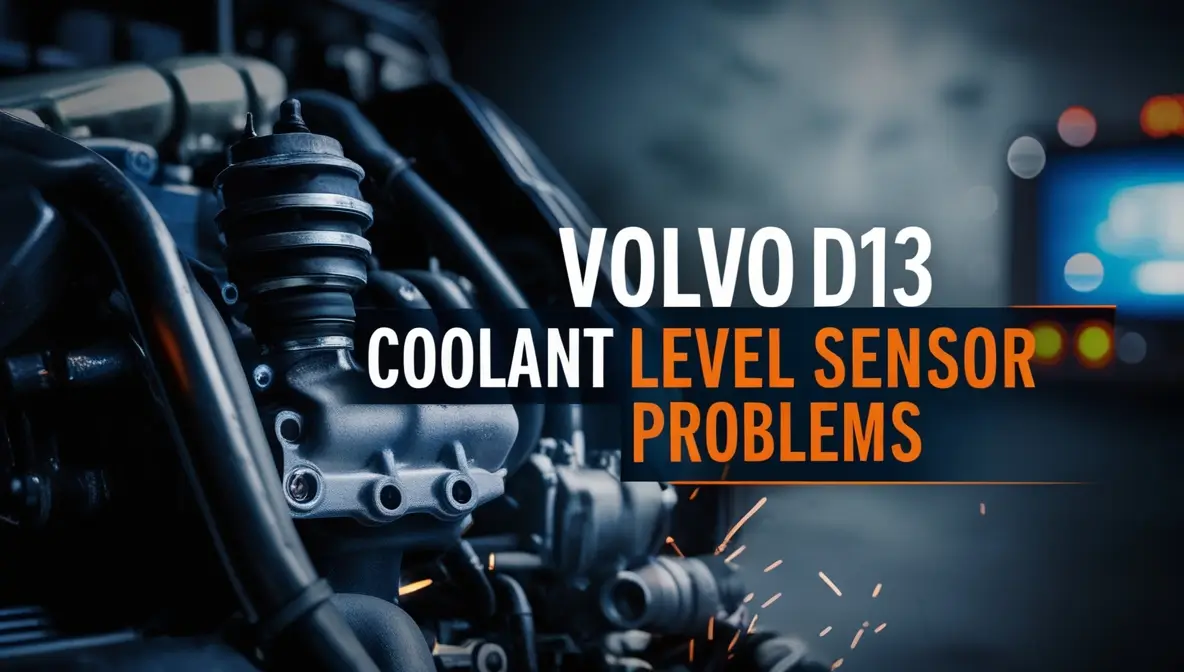
Volvo D13 Coolant Level Sensor Problems

Ever had that heart-stopping moment when your Volvo D13’s coolant warning light starts flashing like a disco ball? Trust me, I’ve been there. After spending 15 years as a diesel mechanic, I’ve seen these sensors cause more headaches than a marathon movie session. But don’t worry – I’m here to walk you through everything you need about these tricky little devices.
The most common problem with Volvo D13 coolant level sensors is false readings due to electrical issues or contamination. These sensors typically cost between $150-300 to replace and can usually be fixed in about 2-3 hours. Sometimes, what seems like a sensor problem might be pointing to a bigger issue with your cooling system.
Overview of Volvo D13 Coolant System and Sensor Functions
Role of Coolant in Diesel Engines
Think of coolant as your engine’s air conditioning system. Without it, your D13 engine would turn into a very expensive paperweight in no time. During my years working with these engines, I’ve seen temperatures climb past 230°F when cooling systems aren’t working right – that’s hot enough to cook your breakfast!
The coolant in your D13 does more than just prevent overheating. It also:
- Protects against freezing in cold weather
- Prevents corrosion inside your engine
- Helps maintain optimal operating temperature for better fuel efficiency
- Extends engine life by reducing thermal stress
The function of the Coolant Level Sensor in the D13
The coolant level sensor is like your engine’s early warning system. Located in the surge tank, it monitors coolant levels and alerts you before things get too toasty. I remember one customer who ignored his sensor warnings for weeks – let’s just say his repair bill would’ve bought him a nice vacation instead.
This sensor uses electrical conductivity to measure coolant levels. When working correctly, it:
- Monitors coolant levels in real-time
- Triggers dashboard warnings when levels drop
- Helps prevent catastrophic engine damage
- Works with the engine management system to protect your investment
Common Coolant Sensor Problems in Volvo D13 Engines
Frequent Issues with the Coolant Level Sensor
Here’s where things get interesting – and by interesting, I mean potentially frustrating. The most common problems I’ve encountered include:
False warnings are probably the most frequent issue. Last month, I had three trucks in my shop with perfectly good coolant levels, but their sensors were crying wolf. Usually, this happens because of:
- Corroded electrical connections
- Contaminated coolant
- Sensor degradation over time
Causes of Coolant Sensor Failures in the Volvo D13
Time and miles are usually the biggest culprits in sensor failure. Think of it like your favorite work boots – eventually, they just wear out. Some common causes include:
Contamination is a huge factor. I once found a sensor completely gunked up with rust particles – it looked more like it belonged in an archaeology museum than a truck engine. Other causes include:
- Electrical shorts from damaged wiring
- Physical damage from vibration
- Chemical breakdown from poor-quality coolant
Symptoms of a Faulty Coolant Level Sensor
Do you know what’s worse than a check engine light? A coolant warning that keeps you guessing! While on the road, I’ve learned to spot these telltale signs like a detective.
The dashboard warnings are just the tip of the iceberg. Sometimes, your truck will flash warnings randomly, even with a full coolant tank. It’s like having a nervous backseat driver who keeps yelling, “Watch out!” on empty roads.
Temperature gauge instability is another red flag. If your gauge is dancing around like at a rock concert, your sensor might send mixed signals to your engine control module.
Troubleshooting Coolant Level Sensor Issues
How to Identify if the Sensor is Malfunctioning
Let’s play detective for a minute. Just last week, I helped a driver who was ready to replace his entire cooling system – it turns out it was just a loose connector! Here’s what you should check first:
Start with a visual inspection. Look for green or orange crusty buildup around the sensor connection – a dead giveaway for coolant leaks affecting the electrical connection.
Check the wiring harness carefully. I’ve seen tiny cracks in the insulation cause more problems than a cat in a yarn factory. These small breaks can let moisture in and corrupt the sensor signals.
The connector pins should be clean and bright. If they look like they’ve been swimming in cola, you’ve found your problem. A quick cleaning might save you hundreds in unnecessary repairs.
Testing Procedures and Tools Needed
Time to break out the toolbox! Don’t worry – you won’t need anything fancy from the Space Station. Here’s your basic toolkit:
Must-have tools include:
- A multimeter (your best friend for electrical testing)
- A pressure tester for the cooling system
- Basic hand tools
- A clean rag (trust me, you’ll need it)
Testing is straightforward but requires attention to detail. First, check the resistance readings – they should match the specifications in your service manual. I remember one sensor that read perfect resistance but was actually cracked inside. The pressure test revealed the true story.
DIY vs. Professional Diagnostics
I love a good DIY project like the next person, but sometimes, you need to know when to call in the cavalry. Here’s my rule of thumb after years in the field:
Try the DIY route if:
- You’re comfortable with basic electrical testing
- The problem seems straightforward (like a dirty connector)
- You have access to the right tools
- You can safely access the sensor location
Call a pro when:
- Multiple systems are showing issues
- You’ve tried basic fixes without success
- The problem keeps coming back
- You smell coolant but can’t find the leak
Repairs and Replacement for Volvo D13 Coolant Sensors
Replacement Process for the Coolant Sensor
Ready to get your hands dirty? Replacing the sensor isn’t rocket science, but there are some tricks of the trade I’ve learned over the years.
Before you start, make sure the engine is COLD. I once saw a rookie mechanic try to rush a job on a hot engine – let’s just say his vocabulary got very colorful that day! If you’re doing it right, the replacement process typically takes 2-3 hours.
The basic steps include:
- Draining the coolant (catch it in a clean container if it’s still good)
- Disconnecting the electrical connector (take a picture first!)
- Removing the old sensor (careful not to damage the threads)
- Installing the new sensor with proper torque
- Refilling and bleeding the cooling system
Expected Costs of Repair and Replacement
Let’s talk money – everyone’s favorite subject! The costs can vary, like the weather in spring, but here’s what you can typically expect:
OEM sensors usually run between $150-300. Yes, aftermarket options exist for less, but from my experience, this is one part where going cheap might cost you more in the long run. I once had a customer try a $40 sensor from an online marketplace – he was back in my shop two weeks later, needing more repairs.
Labor costs typically range from:
- $200-400 at an independent shop
- $300-600 at a dealership
- DIY cost: Just your time and maybe a few choice words
Preventative Maintenance for Volvo D13 Coolant System
Regular Maintenance Tips to Avoid Sensor Failures
Remember when your mom told you prevention is better than cure? Well, she’d make a great diesel mechanic! After countless repairs, I can tell you that preventative care goes a long way.
Start with regular coolant checks – and I mean really look at it, not just glance under the cap. Fresh coolant should be bright and clear, not looking like swamp water. I once saw a truck’s coolant that was so contaminated it looked like a science experiment gone wrong!
Keep these maintenance intervals in your phone calendar:
- Check the coolant level weekly (when the engine is cold)
- Inspect for leaks monthly
- Test coolant concentration every oil change
- Flush the system every 2 years or 200,000 miles
Coolant and Oil Maintenance to Prevent Cross-Contamination
Here’s something that’ll keep you up at night – oil and coolant mixing is like letting cats and dogs live together. It never ends well! I’ve seen this happen more times than I care to count.
The biggest threat to your sensor’s accuracy is contaminated coolant. Watch out for:
- Milky oil (means coolant is getting where it shouldn’t)
- Rainbow sheen in your coolant (oil contamination)
- Excessive sludge around the cap
- Strange, sweet smells from the engine
Additional Tips and Common FAQs on D13 Coolant Sensor Problems
FAQs: How Long Do Coolant Sensors Last on Average?
Let me share something funny – I once had a customer ask if their sensor would last forever. If only! Based on my experience working with hundreds of D13 engines:
Most sensors last 4-6 years or about 400,000-600,000 miles under normal conditions. But just like that one sock that disappears in the dryer, sometimes they fail earlier for no apparent reason.
Factors affecting sensor life include:
- Driving conditions (city vs. highway)
- Maintenance history
- Coolant quality
- Environmental factors (like extreme temperatures)
Is a Coolant Sensor Failure Indicative of Other Engine Issues?
This is where my detective hat comes on. Sometimes, a failing sensor is like your check engine light – telling you to look deeper. Let me share a recent case.
Last month, a driver came in complaining about constant sensor warnings. After digging deeper, we found a cracked EGR cooler. The sensor did its job by detecting slow coolant loss. The smart little device, right?
Watch out for these red flags:
- Repeated sensor failures
- Unexplained coolant loss
- White exhaust smoke
- Engine running hot even with full coolant
What should you do if the coolant loss is detected but the sensor works fine?
Here’s the million-dollar question! And trust me, ignoring coolant loss can turn into a million-dollar repair bill. Let me walk you through my troubleshooting process.
First, do a visual inspection. I remember one case where the coolant was disappearing like magic. A tiny crack in the surge tank sprayed coolant only when the engine got hot. Sneaky little problem!
Follow this checklist:
- Check all visible hoses and connections
- Look for dried coolant trails (they leave a distinctive pattern)
- Inspect the EGR cooler and turbo area
- Pressure test the entire system
Remember, coolant doesn’t just vanish into thin air (technically, it can through a leaky radiator cap, but you get my point). If you’re losing coolant, there’s always a reason.
A quick tip: Log how much coolant you add and how often. This information is gold when diagnosing problems. I’ve solved many mysteries by looking at a customer’s maintenance log.
And there you have it, folks! Everything I’ve learned about D13 coolant sensor problems over my years in the field. Remember, these sensors seem like simple devices but are crucial for your engine’s health. Treat them well; they’ll keep your engine running cool and happy for many future miles.
Just remember – when in doubt, get it checked out. It’s cheaper to fix a small problem than a big one tomorrow, and I’ve seen enough melted engines to last a lifetime!
Preventative Maintenance for Volvo D13 Coolant System
Regular Maintenance Tips to Avoid Sensor Failures
Remember when your mom told you prevention is better than cure? Well, she’d make a great diesel mechanic! After countless repairs, I can tell you that preventative care goes a long way.
Start with regular coolant checks – and I mean really look at it, not just glance under the cap. Fresh coolant should be bright and clear, not looking like swamp water. I once saw a truck’s coolant that was so contaminated it looked like a science experiment gone wrong!
Keep these maintenance intervals in your phone calendar:
- Check the coolant level weekly (when the engine is cold)
- Inspect for leaks monthly
- Test coolant concentration every oil change
- Flush the system every 2 years or 200,000 miles
Coolant and Oil Maintenance to Prevent Cross-Contamination
Here’s something that’ll keep you up at night – oil and coolant mixing is like letting cats and dogs live together. It never ends well! I’ve seen this happen more times than I care to count.
The biggest threat to your sensor’s accuracy is contaminated coolant. Watch out for:
- Milky oil (means coolant is getting where it shouldn’t)
- Rainbow sheen in your coolant (oil contamination)
- Excessive sludge around the cap
- Strange, sweet smells from the engine
Additional Tips and Common FAQs on D13 Coolant Sensor Problems
FAQs: How Long Do Coolant Sensors Last on Average?
Let me share something funny – I once had a customer ask if their sensor would last forever. If only! Based on my experience working with hundreds of D13 engines:
Most sensors last 4-6 years or about 400,000-600,000 miles under normal conditions. But just like that one sock that disappears in the dryer, sometimes they fail earlier for no apparent reason.
Factors affecting sensor life include:
- Driving conditions (city vs. highway)
- Maintenance history
- Coolant quality
- Environmental factors (like extreme temperatures)
Is a Coolant Sensor Failure Indicative of Other Engine Issues?
This is where my detective hat comes on. Sometimes, a failing sensor is like your check engine light – telling you to look deeper. Let me share a recent case.
Last month, a driver came in complaining about constant sensor warnings. After digging deeper, we found a cracked EGR cooler. The sensor did its job by detecting slow coolant loss. The smart little device, right?
Watch out for these red flags:
- Repeated sensor failures
- Unexplained coolant loss
- White exhaust smoke
- Engine running hot even with full coolant
What should you do if the coolant loss is detected but the sensor works fine?
Here’s the million-dollar question! And trust me, ignoring coolant loss can turn into a million-dollar repair bill. Let me walk you through my troubleshooting process.
First, do a visual inspection. I remember one case where the coolant was disappearing like magic. A tiny crack in the surge tank sprayed coolant only when the engine got hot. Sneaky little problem!
Follow this checklist:
- Check all visible hoses and connections
- Look for dried coolant trails (they leave a distinctive pattern)
- Inspect the EGR cooler and turbo area
- Pressure test the entire system
Remember, coolant doesn’t just vanish into thin air (technically, it can through a leaky radiator cap, but you get my point). If you’re losing coolant, there’s always a reason.
A quick tip: Log how much coolant you add and how often. This information is gold when diagnosing problems. I’ve solved many mysteries by looking at a customer’s maintenance log.
And there you have it, folks! Everything I’ve learned about D13 coolant sensor problems over my years in the field. Remember, these sensors seem like simple devices but are crucial for your engine’s health. Treat them well; they’ll keep your engine running cool and happy for many future miles.
Just remember – when in doubt, get it checked out. It’s cheaper to fix a small problem than a big one tomorrow, and I’ve seen enough melted engines to last a lifetime!