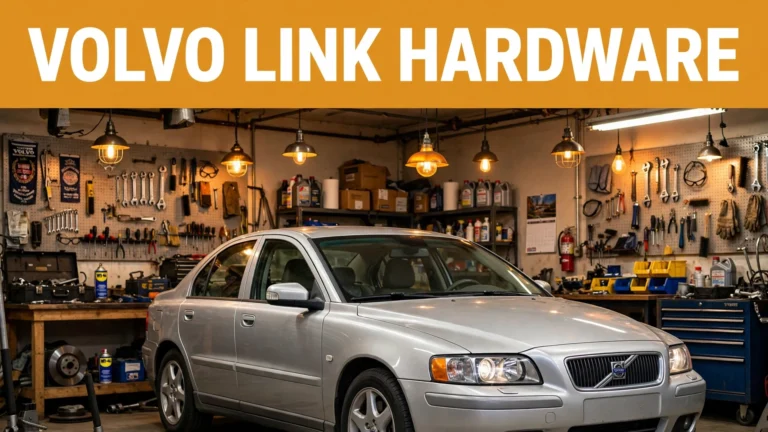

Volvo S60 Reduced Engine Performance – Causes, Symptoms, and Solutions

Picture this: You’re cruising down the highway in your beloved Volvo S60, and suddenly, that dreaded “Reduced Engine Performance” message pops up on your dashboard. Your heart sinks as your car loses power, and you’re left wondering what went wrong with your Swedish beauty. Don’t worry – you’re not alone in this!
So, what exactly causes reduced engine performance in a Volvo S60? Most commonly, it’s due to issues with the Electronic Throttle Module (ETM), turbocharger problems, or fuel system complications. While this might sound scary, many of these problems are fixable, and I’ll walk you through everything you need to know.
Common Causes of Reduced Engine Performance in the Volvo S60
Throttle Body Issues and ETM Malfunctions
Let me tell you about my friend Mike’s 2004 S60 – it started acting up on his morning commute, showing those classic ETM symptoms. The Electronic Throttle Module, or ETM as we mechanics like to call it, is your car’s breath control system. When it starts failing, your car’s performance takes a hit.
The throttle body controls how much air enters your engine, like controlling your breathing while running. When the ETM acts up, you’ll notice your car’s RPMs jumping around like a kangaroo, especially when maintaining a steady speed. This is particularly common in early 2000s models – they’re notorious for it!
What makes ETM issues so tricky is that they often start subtly. You might notice slight hesitation when pressing the gas pedal, or your car might feel sluggish when merging onto the highway. Over time, these symptoms typically worsen, sometimes leading to stalling – definitely not something you want happening in heavy traffic!
Turbocharger Complications
Now, let’s talk turbos – these little powerhouses are amazing when they work right, but they can be real troublemakers when they don’t. Think of your turbocharger as a little fan that helps your engine breathe better under pressure. It’s like trying to run a marathon while breathing through a straw when it’s having issues.
I remember working on a customer’s S60 with a tiny leak in one of the turbo hoses. The car would drive fine at low speeds, but as soon as they needed that extra boost for passing on the highway – nothing! The turbo would try to build pressure, but it was like filling a balloon with a hole.
The most common turbo issues I see include:
- Leaky hoses that look perfectly fine until you put them under pressure
- Worn seals that start whistling like a tea kettle
- Clogged waste gates that make your car feel like it’s running out of steam
Fuel Quality and System-Related Problems
Here’s something many people don’t realize – your Volvo S60 is kind of like a coffee connoisseur. Just as you wouldn’t want to start your day with bad coffee, your Volvo doesn’t perform well with poor-quality fuel. I learned this lesson the hard way when I filled up at a questionable gas station during a road trip.
Low-quality fuel can cause all sorts of issues:
- Rough idling that makes your car feel like it’s sitting on a washing machine
- Hesitation when accelerating feels like your car is second-guessing itself
- In extreme cases, your car might even go into limp mode – it’s a way of saying, “I refuse to run on this stuff!”
Symptoms of Reduced Engine Performance
“Reduced Engine Performance” Dashboard Warning Light
Let’s talk about that pesky warning light that lights up your dashboard like a Christmas tree and makes your stomach drop. As a mechanic for over 15 years, I can’t count how many worried faces I’ve seen walk into my shop because of this warning.
Think of this light as your Volvo’s way of waving a yellow flag – saying, “Hey, something’s not quite right here!” Sometimes, it pops up alongside your car going into limp mode, which is about as fun as trying to run a race in flip-flops. This happens when your car detects something that could cause damage if ignored.
What surprises most customers is that this warning light doesn’t always mean expensive repairs. Sometimes, it’s as simple as a sensor getting moody or your car being sensitive about fuel quality. Of course, sometimes it signals bigger issues with your ETM or turbo, but don’t panic until you know!
Erratic RPM and Acceleration Delays
Have you ever been at a stoplight and noticed your car’s RPM needle dancing around like it’s at a disco? That’s one of the classic signs that something’s up with your S60 performance. Last week, a customer described it perfectly: “It’s like my car can’t decide whether to idle or rev!”
When your Volvo starts showing these symptoms, here’s what you might notice:
- The RPM needle bounced up and down at idle
- Your car hesitates when you press the gas like it’s taking a moment to think about it
- Unexpected surges in power, as if your car suddenly remembered it’s supposed to go fast
Diagnosing Reduced Engine Performance in Volvo S60
Checking for Diagnostic Trouble Codes (DTCs)
Now, this is where we get to play detective with your Volvo! Those DTCs (Diagnostic Trouble Codes) are like your car’s secret diary – they tell us exactly what’s been bothering it. I keep an OBD-II scanner in my toolbox that’s probably seen more Volvos than a Swedish parking lot.
Want to know something funny? These codes sometimes read like alphabet soup (P2111, P2135), but each tells a specific story. It’s like your car is trying to speak Swedish, and we mechanics are the translators! These codes can point us to the problem, whether a grumpy throttle control or a tired turbo system.
Remember my earlier story about Mike’s 2004 S60? When we plugged in the scanner, it spat out a P2135 code faster than you can say “smörgåsbord.” That told us his throttle position sensor was acting up right away – saved us hours of guesswork!
Physical Inspections and Testing Components
Sometimes, you’ve got to get your hands dirty and do some old-fashioned detective work. I always tell my customers that while computer diagnostics are great, nothing beats a thorough physical inspection. It’s like being a doctor for your car – we need to check those vital signs!
Here’s what I look for during an inspection:
- Fuel filters that might be clogged up worse than a kitchen sink
- Turbo hoses that might have tiny cracks (they can be sneakier than a ninja)
- Air filters that look like they’ve been through a dust storm
- Ignition components that might be working harder than a coffee maker on Monday morning
What helps is using all your senses during an inspection. Sometimes, you can hear a turbo leak before you see it or smell a fuel system problem before any warning light comes on. Just last month, I found a failing turbo seal by listening to a distinctive whistling sound. It saved my customer from a much bigger repair bill down the road!
Solutions and Preventative Maintenance for Improved Performance
Throttle Body and ETM Replacement or Repair
Here’s where we get down to fixing the heart of the problem. Think of the throttle body as your car’s lungs – when it’s dirty or failing, it feels out of breath. I’ve seen ETMs so gunked up they looked like they’d been breathing in a coal mine!
The good news is that sometimes a good cleaning is all your ETM needs. But let’s be honest – if you’ve got an older S60, especially those early 2000s models, you might be looking at a replacement. I know, I know, not what you wanted to hear! But think of it as giving your car a fresh set of lungs.
Fuel System Maintenance
Let’s talk about keeping your Volvo’s diet clean and healthy. For example, you wouldn’t want to eat a sandwich sitting in your car for a week, but your S60 needs clean, quality fuel to run its best. I learned this lesson the expensive way when I tried to save a few bucks on cheap gas in my early mechanic days.
The fuel system in your S60 is pretty sophisticated – think of it as having a more refined palate than your average car. Here’s what you can do to keep it happy:
- Change your fuel filter regularly – I recommend every 30,000 miles or sooner if you notice any hesitation
- Use high-quality fuel from reputable stations (your car will thank you!)
- Consider using a good fuel system cleaner every 6 months or so – think of it as a spa day for your engine
Here’s a pro tip I share with all my customers: Keep track of which gas stations give you the best performance. I’ve noticed that some of my clients’ S60s run noticeably better on fuel from certain stations. It’s like finding that perfect coffee shop – once you find it, stick with it!
Turbocharger and Exhaust Maintenance
Now, let’s dive into keeping your turbo happy – because a happy turbo means a happy Volvo! Last summer, I had a customer whose S60 made more noise than a heavy metal concert. It turns out a tiny exhaust leak was making their turbo work overtime.
Regular turbo maintenance isn’t just about preventing problems but maintaining that sweet Swedish performance we all love. Here’s what you should keep an eye on:
- Check those turbo hoses monthly – they’re like your car’s arteries
- Listen for any unusual whistling sounds (and no, I don’t mean your favorite tune)
- Keep an eye on your oil level and quality – your turbo drinks oil like a camel drinks water before a desert trek
Want to know something most people miss? The exhaust system plays a huge role in turbo health. A clogged catalytic converter can put more strain on your turbo than a weightlifter at the gym. Keep that exhaust system flowing freely, and your turbo will love you for it!
Updating Software and Firmware
Welcome to the 21st century, where even your Volvo needs regular software updates! Sometimes, I joke with my customers that modern S60s are computers on wheels. Just like your smartphone, they need occasional updates to run their best.
These updates can fix all sorts of quirks:
- Improve fuel efficiency (who doesn’t want better gas mileage?)
- Smooth out power delivery (no more jerky acceleration)
- Fix minor bugs that you might not even notice, but your car feels
The best part? Some newer models can even get these updates “over the air,” like your phone! A quick trip to your friendly Volvo dealer or specialist shop will do the trick for older models.
FAQs About Reduced Engine Performance in Volvo S60
What Does Limp Mode Mean in a Volvo S60?
Think of limp mode as your car’s version of taking a sick day. When something’s wrong, your S60 goes into this protective mode to prevent serious damage. It’s like when you have a sprained ankle – you can still walk but won’t run any marathons!
During limp mode, your car will:
- Limit engine power (it feels like you’re driving through molasses)
- Keep RPMs lower than usual
- Possibly disable your turbo boost
- Light up your dashboard with warning messages
The good news? Limp mode is when your car is smart and protective, not destructive. It’s saving you from potentially expensive repairs down the road.
Can Reduced Engine Performance Be Fixed at Home?
Here’s the truth – some things you can handle at home, while others… well, let’s just say they’re best left to the pros. I always tell my customers: “If you’re handy with tools and comfortable around engines, there’s plenty you can do!”
DIY-friendly tasks include:
- Changing air filters (easier than making a sandwich!)
- Replacing spark plugs (with the right tools and a bit of patience)
- Basic cleaning of the throttle body (just be careful with those electrical connections)
But remember – some jobs need professional expertise and specialized tools. Don’t tackle ETM replacement or turbo repairs unless you know what you’re doing. Trust me, I’ve seen enough DIY attempts gone wrong to write a book!
How Often Should I Service My Volvo S60 to Prevent Performance Issues?
Prevention is always better (and cheaper!) than cure. After years of working on Volvos, I’ve developed the “Swedish Maintenance Schedule” – a bit more thorough than the minimum requirements, but trust me, it pays off in the long run.
Here’s my recommended schedule:
- Every 3,000-5,000 miles: Basic oil change and inspection
- Every 15,000 miles: Thorough check of all turbo components
- Every 30,000 miles: Deep clean of the throttle body and fuel system
- Twice yearly: Complete system scan for any pending issues
Remember, these aren’t just random numbers – they’re based on seeing hundreds of S60s and knowing what keeps them running smoothly. Think of it as giving your car regular health check-ups instead of waiting for something to break.
Following this schedule might seem overkill, but it saved my customers thousands in potential repairs. As I always say, “A maintained Volvo is a happy Volvo!” And a happy Volvo means many more miles of that Swedish driving excellence we all love.
Your S60 is built to last – treat it right, and it’ll keep you cruising smoothly for years. Just remember to listen to what your car tells you, don’t ignore those warning signs, and get it checked out when in doubt. Happy driving!