Is the Volvo XC60 Recharge Worth It?

The $79,800 Question
You’re cross-shopping luxury SUVs, and the Volvo XC60 Recharge keeps popping up with its 455 horsepower and 35 miles of electric range. But at prices that can climb close to $80,000, is it actually worth the money, or are you paying a premium for a badge and a plug?
I’ve spent years covering plug-in hybrid ownership costs, and the short version is this: it comes down to how you drive and whether you can charge at home. Let’s get into the specifics.
TL;DR: Is It Worth It?
- Yes, if you drive mostly short trips, can charge at home nightly, and want genuine luxury with strong performance
- Maybe not, if you’re chasing the old $7,500 federal tax credit — it no longer exists for new purchases in 2026
- Performance is a real strength: 455 hp, 523 lb-ft, 0–60 mph in about 4.5 seconds
- Daily EV range is solid (up to 35 miles) but not class-leading — some rivals go further
- Reliability chatter is mixed, with some owners reporting 12V battery and software glitches
The Short Answer
The 2026 Volvo XC60 Recharge (technically called the XC60 Plug-in Hybrid) starts at $61,150 for the Core trim and tops out around $79,800 for the Polestar Engineered version. For most buyers who can charge overnight and drive under 35 miles a day, it’s worth it — you get genuine luxury, quick acceleration, and near-EV running costs around town, with a gas engine as backup for longer trips.
“The XC60 Recharge lets you drive electric most of the time without ever worrying about finding a charger on a road trip.”
What You’re Actually Getting for the Money
Performance: Does It Feel Like a $70K SUV Should?
Yes — the XC60 Recharge is genuinely quick, with 455 horsepower, 523 lb-ft of torque, and a 0–60 mph time of roughly 4.5 seconds. That comes from pairing a turbocharged 2.0-liter four-cylinder engine with an electric motor and an 18.8-kWh battery. One reviewer who spent a week with the 2026 model said he was caught off guard by just how quick it felt for its size and engine displacement.
Quick Tip: If outright speed matters most to you, the Polestar Engineered trim adds chassis and brake upgrades on top of the same powertrain — worth a look if you’re already spending Ultra-trim money.
Daily Driving Costs: Where the Savings Actually Show Up
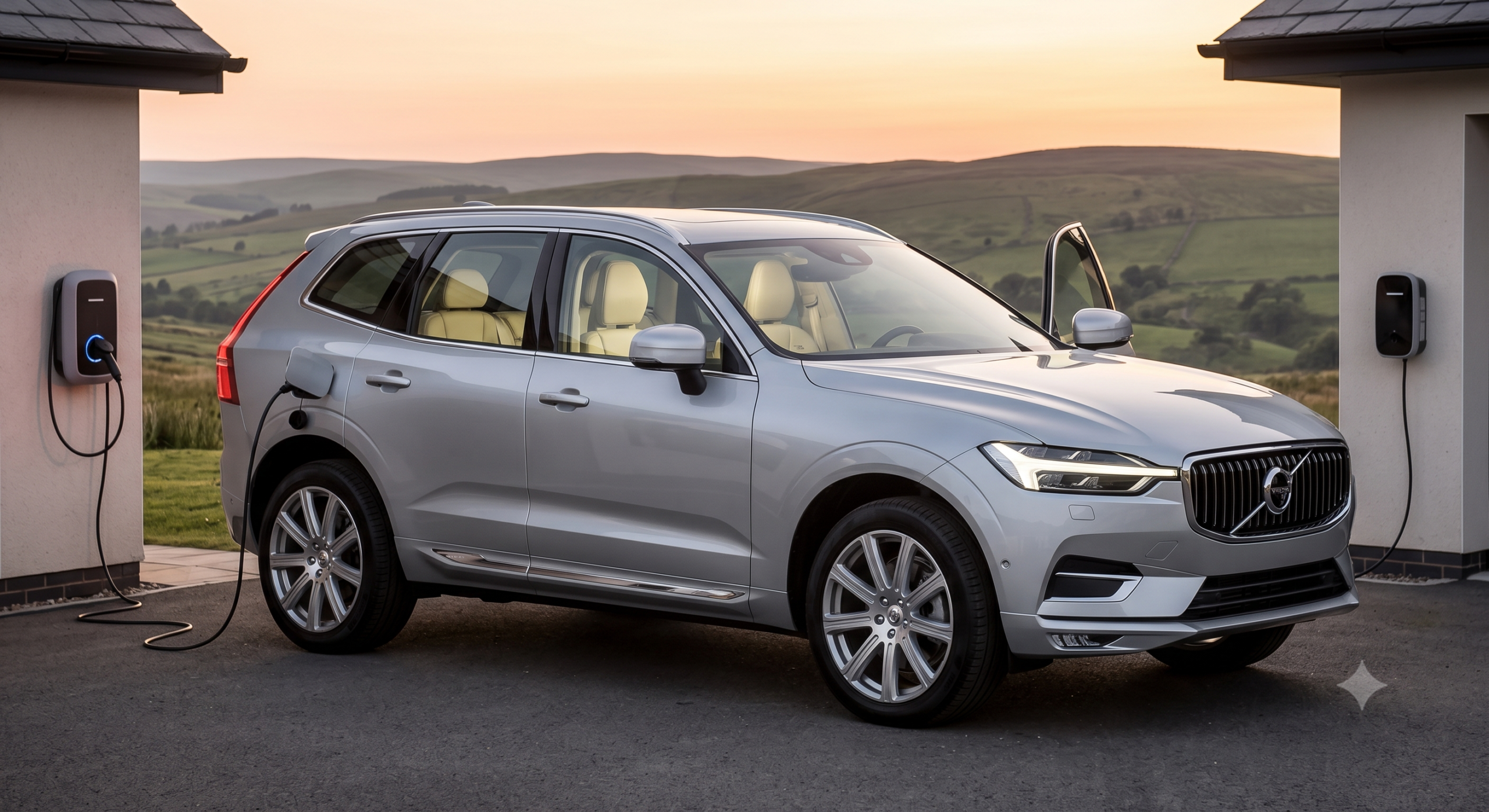
Most of your real-world savings come from short trips run entirely on electric power, not from any tax break. The 2026 model offers up to 35 miles of EPA-estimated electric range from its 18.8-kWh battery — enough for most commutes — plus 28 mpg combined and 63 MPGe when you factor in gas and electric together.
Expert Insight: A 2025 industry report on plug-in hybrid ownership found that owners who plug in nightly and drive short distances see dramatically better real-world efficiency than those who rarely charge and rely mainly on the gas engine.
The Tax Credit Question — Here’s the Reality Check
No, the federal $7,500 EV/PHEV tax credit does not apply to the XC60 Recharge in 2026. The credit ended for new vehicle purchases after September 30, 2025, under a federal budget law, so anyone comparing prices today should not factor that discount into their math. A separate, smaller federal credit for home charger installation (up to $1,000) is still available through June 30, 2026, and some states still offer their own EV/PHEV rebates.
Quick Tip: Check your state’s incentive programs before you buy — some, like California and Colorado, still offer meaningful rebates even though the federal credit is gone.
Reliability: The Part Nobody Puts in the Brochure
Owner feedback on recent XC60 Recharge model years is mixed, with most drivers happy but a vocal minority reporting 12V battery warnings and software glitches. Some owners on consumer review sites describe repeat trips to the dealer for battery-related error messages, while others report trouble-free ownership with EV efficiency exceeding Volvo’s own estimates. It’s the kind of split you’d expect from any complex plug-in hybrid system, but it’s worth going in with eyes open.
Real-World Scenario: The Suburban Commuter vs. the Road Warrior
Scenario one: A commuter driving 20 miles round-trip each day, charging every night on a home 240V outlet, will run almost entirely on electric power. Their gas engine might only fire up on weekend trips, and their fuel bill could shrink to a fraction of a comparable gas-only SUV.
Scenario two: A sales rep driving 150 highway miles a day has a very different experience. The battery depletes in the first 35 miles, and the rest of the trip runs on the gas engine at a combined 28 mpg — solid, but not dramatically better than a non-hybrid competitor, and nowhere near enough to justify the plug-in premium on cost alone.
Comparison Table: XC60 Recharge vs. Key Rivals
| Vehicle | Horsepower | EV Range | Starting Price (approx.) | DC Fast Charging |
|---|---|---|---|---|
| Volvo XC60 Recharge | 455 hp | 35 mi | $61,150 | No |
| Lexus NX Plug-In Hybrid | Lower output | 37 mi | Lower | No |
| Mercedes-Benz GLC 350e | Competitive | 54 mi | Higher | Yes |
| Audi Q5 PHEV (outgoing) | Lower output | Shorter | Comparable | No |
| Alfa Romeo Tonale PHEV | Lower output | 33 mi | Lower | No |
Pros and Cons by Buyer Persona
The Short-Commute Suburban Driver
- ✅ Pro: Can run almost entirely on electric power for daily errands and commutes
- ✅ Pro: Charges fully overnight on a basic home outlet
- ❌ Con: Paying for a big gas engine you’ll rarely use day-to-day
The Performance-Focused Buyer
- ✅ Pro: 455 hp and a 4.5-second 0–60 time rival much pricier performance SUVs
- ✅ Pro: Polestar Engineered trim adds real chassis and brake upgrades
- ❌ Con: Fuel economy on gas alone (28 mpg combined) is unremarkable for the price
The Long-Distance, Infrequent-Charger Buyer
- ✅ Pro: No range anxiety — the gas engine takes over seamlessly for 500+ total miles
- ✅ Pro: Luxury interior and safety tech make long trips comfortable
- ❌ Con: Without regular charging, you’re mostly paying premium price for average gas mileage
Choose This If…
Choose the XC60 Recharge if you can charge at home, drive mostly short trips, and want strong performance wrapped in genuine Scandinavian luxury without full-EV commitment.
Choose a rival like the Mercedes GLC 350e instead if you want a longer electric-only range (54 miles) and the ability to use DC fast chargers, even at a higher price point.
Frequently Asked Questions
Does the Volvo XC60 Recharge qualify for a federal tax credit in 2026? No. The federal tax credit for new plug-in hybrids and EVs ended for vehicles purchased after September 30, 2025. Some state-level incentives may still apply.
How much does the 2026 Volvo XC60 Recharge cost? Pricing starts at $61,150 for the Core trim and rises to about $79,800 for the top Polestar Engineered trim, depending on options.
Is the XC60 Recharge reliable? Feedback is mixed. Many owners report trouble-free driving and better-than-advertised EV efficiency, while others describe recurring 12V battery and software issues — worth researching recent model-year owner forums before buying.
How does it compare to a full electric SUV? It offers far less electric-only range (35 miles) than most EVs, but it eliminates range anxiety entirely since the gas engine takes over automatically when the battery runs low.
Is the plug-in hybrid worth the extra cost over the standard gas XC60? It’s worth it mainly if you’ll actually plug it in regularly. Without consistent charging, you’re paying a premium for a powertrain you’re not using to its full advantage.
Key Takeaways
- The 455-hp powertrain genuinely outperforms most rivals in its price range
- Up to 35 miles of electric range covers most daily driving if you charge nightly
- No federal tax credit applies in 2026 — factor the full sticker price into your decision
- Reliability feedback is mixed, with some owners reporting 12V battery and software issues
- It’s most worth it for short-commute drivers with home charging access, less so for high-mileage highway drivers
Next Step
Before you sign anything, ask your dealer for a printout of your specific trim’s total price after any remaining state incentives — since the federal credit is gone, that state-level math is now the biggest lever on what you’ll actually pay.