Volvo PV36 Carioca Review?

Only 501 of these were ever built, and unlike every other car in this series, there’s essentially no realistic path to buying one — this is automotive history you look at, not a car you shop for.
TL;DR
- The Volvo PV36 “Carioca” was Volvo’s first streamlined car, built from 1935 to 1938 with just 501 total units — 500 sedans plus a single one-off convertible.
- It featured Volvo’s first independent front suspension, wrapped in an all-steel body styled after 1930s American “streamliner” designs like the Chrysler Airflow.
- Power came from a 3.7-liter inline-six making 80 hp, good for a period top speed of about 75 mph (120 km/h).
- Named after a fashionable 1930s dance (itself named for residents of Rio de Janeiro), it was expensive and polarizing when new, priced well above Volvo’s mainstream models.
- Given how few were built nearly 90 years ago, survivors today are essentially museum and dedicated-collection pieces, not cars you’ll find through normal classic-car buying channels.
If you’re comparing the PV36 Carioca against other 1930s streamliners like the Chrysler Airflow or Hupmobile Aerodynamic, the honest context is: it’s a fascinating, commercially unsuccessful experiment that mattered far more for what it taught Volvo about engineering and styling than for how many it actually sold.
What Was the Volvo PV36 Carioca, Exactly?
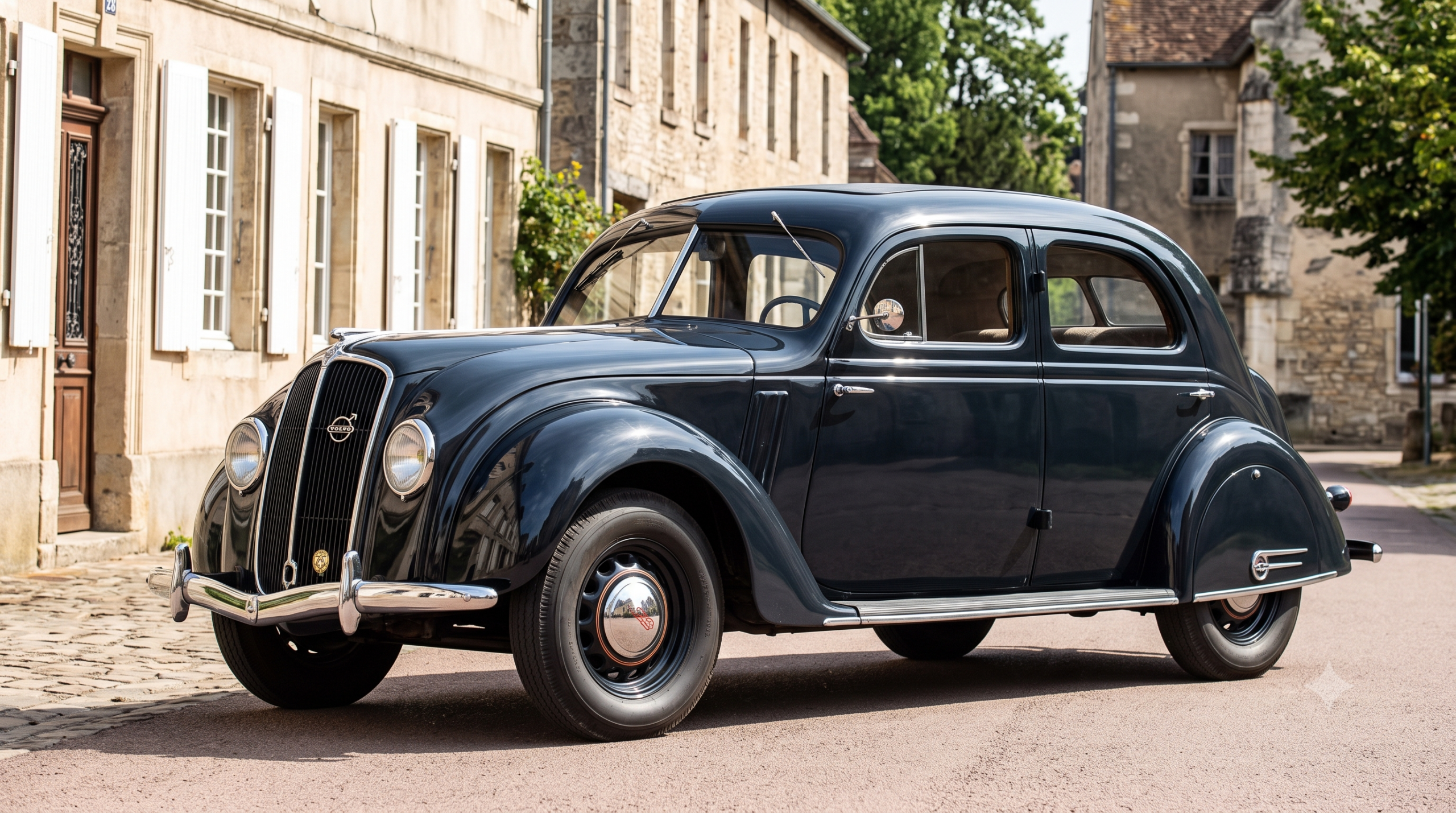
The PV36 debuted in 1935 as Volvo’s answer to the “streamliner” design movement sweeping American car design in the early 1930s. Its rounded, aerodynamic-influenced body was visually similar to the Chrysler Airflow and Hupmobile Model J Aero-dynamic — no coincidence, since many of Volvo’s senior engineers at the time had previously worked in the US auto industry.
The name “Carioca” referred both to a popular dance craze of the era and, originally, to residents of Rio de Janeiro, Brazil — an unusual, evocative choice for a Swedish luxury sedan. Underneath that modern body, though, the PV36 still used the same side-valve six-cylinder engine found in Volvo’s more conventional models of the time, a detail that tempered how genuinely advanced the car actually was mechanically.
Quick Tip: If you’re researching this car for its design history rather than its mechanicals, focus on the body and suspension — the engine itself was shared with contemporary, more traditional Volvo models and wasn’t part of what made the Carioca notable.
PV36 Engineering and Specs
The PV36 introduced Volvo’s first independent front suspension, using wishbones and coil springs — a genuine engineering step forward for the brand, even if the rest of the car remained mechanically conservative. It paired that with a sturdy all-steel body and distinctive rear wheel spats, both a styling statement and, according to Volvo’s own account, a real safety benefit demonstrated in period accidents.
Power came from a 3,670cc inline-six with side valves, producing 80 hp at 3,300 rpm, driving through a three-speed gearbox with a floor-mounted lever. Hydraulic brakes were fitted on all four wheels — notable for a mid-1930s car. Top speed was a modest 120 km/h (about 75 mph), reflecting the car’s positioning as a smooth, silent luxury cruiser rather than a performance vehicle.
Expert Insight: The PV36’s independent front suspension made its way into Volvo’s design thinking well beyond this one model — it’s a meaningful engineering milestone for the brand, even though the car built around it wasn’t a sales success.
PV36 Carioca vs. Its Contemporaries
| Volvo PV36 Carioca | Chrysler Airflow | Hupmobile Aero-dynamic | |
|---|---|---|---|
| Years built | 1935–1938 | 1934–1937 | 1934–1936 |
| Units built | 501 | ~29,000 | Low-volume |
| Engine | 3.7L inline-six, 80 hp | Straight-eight | Inline-six/eight options |
| Commercial outcome | Very limited, expensive niche product | Also a commercial disappointment for Chrysler | Also a limited-volume experiment |
| Historical significance | First Volvo independent front suspension | Pioneered unibody streamlined mass production | Influential styling, low sales |
The PV36 shared something important with both American cars in this table: streamlined 1930s styling was a genuine engineering and design risk that didn’t pay off commercially for almost anyone who tried it, Volvo included.
Why It Matters More Than It Sold
For automotive historians: the PV36 represents Volvo’s first real attempt at both modern styling and modern front suspension design in the same car — a genuine inflection point, even if the sales numbers were tiny.
For dedicated Volvo brand collectors: owning or even encountering a PV36 in person (most realistically at Volvo’s own museum in Gothenburg) connects directly to the engineering lineage that eventually shaped later, far more successful Volvo models.
For someone hoping to actually buy and drive one: the honest expectation should be very low. With approximately 500 built nearly 90 years ago, surviving cars are exceptionally rare, and no meaningful open market, pricing data, or specialist parts network exists in the way it does for later classics like the P1800 or Amazon.
A Realistic Scenario
Picture a Volvo brand historian or museum researcher trying to trace the lineage of Volvo’s suspension engineering from the 1930s through to today’s models. The PV36 is the starting point of that story — not because it sold well or shaped Volvo’s near-term business, but because its independent front suspension previewed thinking Volvo would refine for decades afterward. That’s realistically the audience for this car today: research and heritage interest, not weekend driving.
What You’d Need to Know If You Somehow Found One
Given the near-total absence of a modern parts or specialist-service ecosystem for a 1930s, 501-unit model, any surviving PV36 would need highly specialized, likely bespoke restoration work. Rust, period-correct electrical systems, and the general fragility of 90-year-old steel bodywork would all be significant concerns — but realistically, any surviving example is more likely to already be in a museum or dedicated private collection than to appear through ordinary classic-car sales channels.
Quick Tip: If your interest in the PV36 is genuine rather than purely academic, Volvo’s own heritage collection and the Volvo Museum in Gothenburg, Sweden, are the most realistic ways to actually see one in person.
Alternatives Worth Exploring
Explore the Volvo PV51-7 or PV60 if you want to see how Volvo’s design language evolved after the Carioca experiment, moving toward more conventional but still distinctly Volvo styling through the late 1930s and 1940s.
Explore the Volvo P1800 (covered elsewhere in this series) if you want a Volvo classic from a later era that’s actually realistic to buy, drive, and maintain today, with an active collector market and specialist support network.
Frequently Asked Questions
How many Volvo PV36 Cariocas were built? Just 501 total: 500 production sedans plus a single one-off convertible built on a bare chassis by Swedish coachbuilder Nordbergs.
Why was it called the “Carioca”? The name referenced a popular 1930s dance craze in Sweden, which itself was named after “Carioca,” a term for residents of Rio de Janeiro, Brazil.
What made the PV36 significant for Volvo? It was Volvo’s first car with independent front suspension and its first attempt at fully streamlined, American-influenced styling.
Can you still buy a Volvo PV36 Carioca today? Realistically, no meaningful open market exists — with only 501 ever built nearly 90 years ago, surviving examples are effectively museum or dedicated-collection pieces rather than cars available through normal classic-car channels.
Was the PV36 a commercial success? No. It was expensive and polarizing when new, and Volvo never built more than the original 500-unit production run before moving on to more conventional designs.
Key Takeaways
- The PV36 Carioca was Volvo’s first streamlined car and first model with independent front suspension, built in extremely limited numbers from 1935 to 1938.
- Its historical significance to Volvo’s engineering lineage far outweighs its commercial success at the time.
- With only 501 units ever built, there is no realistic modern buying market, pricing data, or specialist parts network for this car.
- It shared the 1930s streamlined-design gamble with contemporaries like the Chrysler Airflow and Hupmobile Aero-dynamic, none of whom saw strong sales from the style either.
- The most realistic way to experience one today is through Volvo’s own heritage collection or the Volvo Museum in Gothenburg.