Volvo XC90 Years to Avoid?

Buy the wrong Volvo XC90 model year, and you could be looking at a $3,500 transmission replacement before your first oil change is even due. Buy the right one, and you’ve got a genuinely reliable luxury SUV that can push past 200,000 miles.
TL;DR
- Avoid 2003–2005, 2007, and 2016 — these years show the highest complaint volume and the priciest repairs.
- The biggest recurring villain is the early T6 engine’s 4-speed automatic transmission, which struggled to handle the engine’s power.
- 2009, 2013–2014, 2020–2021, and 2025 are widely considered the strongest used picks.
- Second-generation XC90s (2016 onward) are generally solid except for the rocky 2016 launch year.
- Electrical faults are the single most common complaint category across every generation, so test everything before buying.
Quick answer: skip the 2003–2005 and 2007 first-generation XC90s (transmission and suspension issues) and the 2016 second-generation launch year (early-build electrical glitches) — everything else, especially 2009, 2013–2014, and 2020 onward, is a reasonably safe used buy.
Why Model Year Matters So Much for the XC90
The XC90 has been around since 2002, spanning two very different generations — and reliability swings hard depending on which one, and which specific year, you’re looking at. A car built during a rocky launch year carries different risks than one built after Volvo ironed out the kinks.
That’s normal for any long-running model, but it matters more here because repairs on a luxury SUV aren’t cheap. RepairPal pegs average annual maintenance around $851 — already above average for the segment, so a bad model year compounds an already pricier ownership cost.
Expert Insight: Most “years to avoid” advice really boils down to two things: early-production growing pains and one specific bad transmission pairing. Know those two patterns and you’re most of the way to a smart purchase.
The Years to Avoid (And Why)
Steer clear of 2003–2005, 2007, and 2016 — each for a different reason, but all three show real spikes in owner complaints and repair costs. These aren’t internet rumors; they show up consistently across NHTSA complaint data and multiple independent trackers.
The 2003–2005 models paired the T6 engine with a 4-speed automatic transmission that wasn’t built to handle its power — failures commonly appeared between 80,000 and 100,000 miles, with replacement costs around $3,500. One 2005 owner reported the vehicle would barely move off the line despite the engine revving hard, a classic sign of transmission failure.
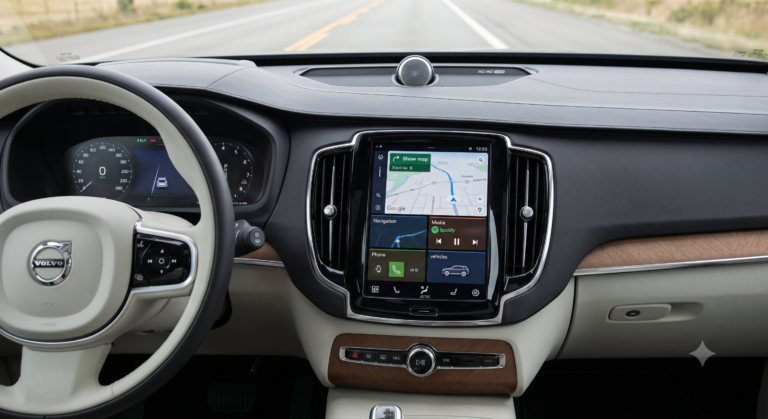
2007 somehow combined multiple weak points at once, edging it out as the single worst year by complaint volume according to some trackers. And 2016 — the second generation’s launch year — brought a fresh set of electrical and infotainment growing pains that settled down in later years of that generation.
Quick Tip: If you’re set on an early first-gen XC90 (2003–2006), specifically avoid the T6 and look for the 2.5T five-cylinder or the V8 instead — owners consistently report far fewer issues with those engines.
Scenario: Imagine finding a “great deal” on a 2005 XC90 T6 with low miles and a clean CarFax. The price looks tempting, but if that transmission hasn’t already been replaced, you’re likely just delaying a $3,500 bill, not avoiding it.
A 2026 automotive reliability database found the XC90 scores around 72 out of 100 on average across model years, with no single year statistically far outside that range except the well-known early problem years. (as of 2026)
The Years to Buy Instead
2009, 2013–2014, 2020–2021, and 2025 consistently come up as the strongest picks across independent reliability sources. These represent the end of each generation’s development cycle, after Volvo worked out the early bugs.
2009 stands out especially — some trackers show zero reported problems for that year, likely because Volvo had eliminated the problematic T6 transmission pairing and ironed out most electrical bugs by then. It’s not a flashy engine (a 3.2L inline-six with a 6-speed automatic), but it’s proven.
Comparison Table: XC90 Years at a Glance
| Model Year(s) | Verdict | Main Concern | Best Engine Pick |
|---|---|---|---|
| 2003–2005 | Avoid | Transmission failure (T6) | 2.5T or V8 |
| 2007 | Avoid | Multiple compounding issues | 2.5T or V8 |
| 2009 | Buy | None significant reported | 3.2L I6 |
| 2013–2014 | Buy | Minor, low complaint volume | 3.2L I6 |
| 2016 | Avoid | Launch-year electrical glitches | — |
| 2020–2021 | Buy | Minor infotainment quirks | B5/B6 mild hybrid |
| 2025 | Buy | Too new for long-term data | B5/B6 or T8 PHEV |
Pros & Cons by Reader
The Budget-Focused Shopper
- Pro: Early first-gen XC90s (avoiding T6 years) can be found for just a few thousand dollars.
- Con: Age-related wear (suspension bushings, oil leaks) is common regardless of “avoid” status.
The Family SUV Buyer
- Pro: Second-gen models (2016+) bring modern safety tech like Pilot Assist and better crash protection.
- Con: PHEV (T8/Recharge) models add battery wear as a new variable to watch.
The Long-Term Owner
- Pro: Volvos are engineered to comfortably reach 200,000–250,000 miles with proper care.
- Con: Complicated PHEV models need more consistent maintenance than the simpler gas versions.
Alternatives Worth Considering
Choose a 2009 or 2013–2014 first-gen XC90 if you want the lowest purchase price and don’t need the latest safety tech or infotainment.
Choose a 2020 or newer second-gen XC90 if modern driver-assist features and a fresher interior matter more to you than saving on the sticker price.
Frequently Asked Questions
What is the worst year for the Volvo XC90? Multiple sources point to 2007 as having the highest complaint volume, though 2003–2005 and 2016 are also commonly flagged.
Is the 2016 Volvo XC90 reliable? It’s the weakest year of the second generation due to launch-year electrical and infotainment glitches — later second-gen years are notably more solid.
What engine should I avoid in an older XC90? The early T6 engine paired with a 4-speed automatic (used in 2003–2005) is the one to avoid due to frequent transmission failure.
How many miles can a Volvo XC90 last? With proper maintenance, most estimates put a well-cared-for XC90 at 200,000 to 250,000 miles.
Are plug-in hybrid XC90 Recharge models less reliable? Not necessarily less reliable, but they add complexity — watch for premature battery wear and stick to a strict maintenance schedule.
Key Takeaways
- Avoid 2003–2005, 2007, and 2016 if you can help it.
- The classic first-gen problem is the T6 engine’s weak 4-speed transmission.
- 2009, 2013–2014, and 2020 onward are the safer used bets.
- Electrical faults are the most common complaint across every generation — test everything on a used example.
- A well-maintained XC90 can realistically last 200,000+ miles.
What To Do Next
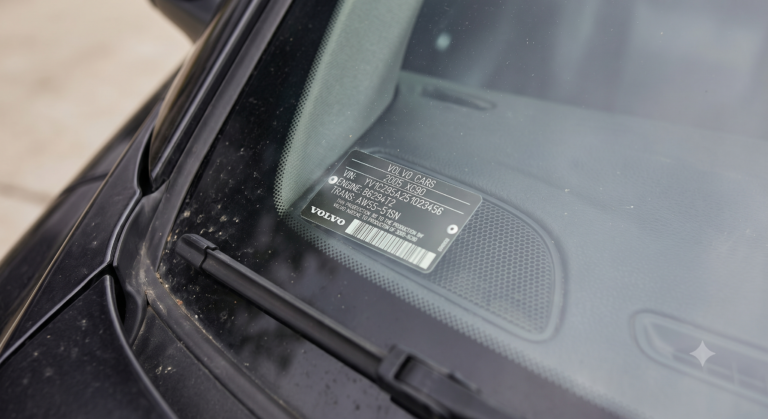
Before buying any used XC90, run the specific VIN through a vehicle history check to confirm it doesn’t carry hidden accident or title issues, regardless of how good its model year’s reputation is.