Why Is My Volvo Check Engine Light On?

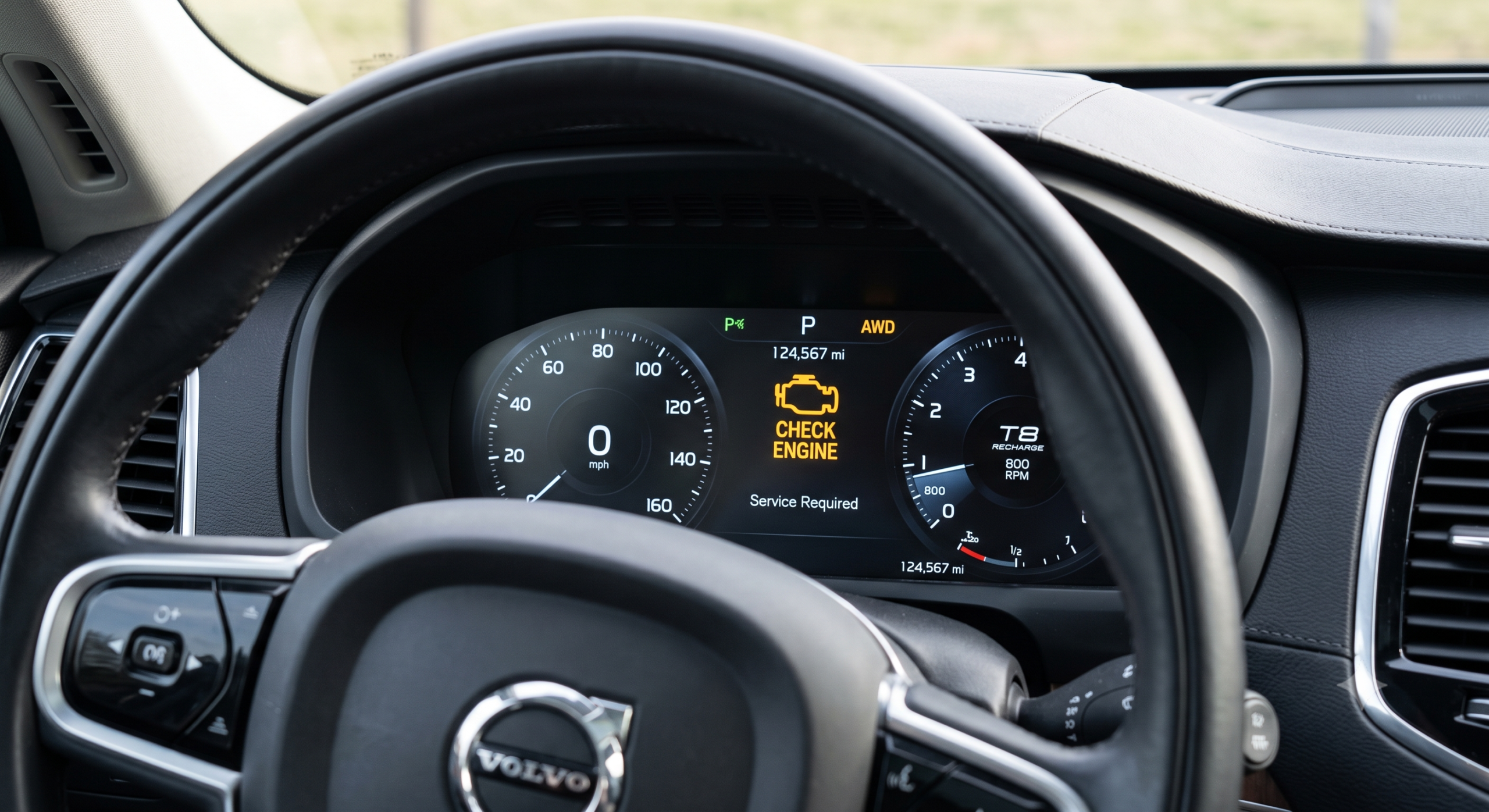
That little orange engine icon lighting up your dashboard can send your stress levels through the roof, especially on a road trip — but in a lot of cases, the fix is a lot simpler than you’d expect. Sometimes it’s a $0 problem (a loose gas cap); sometimes it’s a sign to pull over immediately. I’ve researched Volvo diagnostic systems and common trouble patterns extensively, and the light’s behavior — solid versus flashing — tells you almost as much as the actual cause.
TL;DR
- The most common causes are a loose or damaged gas cap, a faulty oxygen sensor, worn spark plugs, a dirty mass airflow sensor, or a failing catalytic converter.
- A solid, steady light usually means you can drive carefully to a service appointment.
- A flashing light signals a serious misfire — reduce driving immediately to protect your catalytic converter.
- An OBD-II scanner can pull the exact trouble code, but codes point to a system, not always the exact broken part.
- Ignoring the light long-term can turn a cheap fix into an expensive one.
The Core Answer
Your Volvo’s check engine light means the onboard computer (the ECM) has detected something outside normal range — usually related to the engine, emissions, or a sensor. The most frequent culprits, across nearly every Volvo model, are a loose gas cap, a faulty oxygen sensor, worn spark plugs or ignition coils, a dirty mass airflow sensor, and a failing catalytic converter.
The good news: the light doesn’t always mean something catastrophic is happening. The bad news: you can’t tell which cause it is just by looking at the dashboard — you need a code reader or a technician to pull the specific fault code.
Pull-quote: “A steady check engine light and a flashing one mean very different things — one says ‘schedule service,’ the other says ‘pull over now.'”
Why a Loose Gas Cap Is Almost Always Suspect #1
It sounds too simple to be true, but a loose gas cap really is one of the most common triggers. A cap that isn’t screwed on fully — or one that’s cracked or worn — lets fuel vapor escape and drops pressure in the fuel system, which the ECM detects immediately.
This is genuinely a free fix: just check that your cap clicks fully into place. If the light doesn’t turn off within a drive cycle or two, though, the cap probably isn’t the culprit and it’s worth moving down the list.
Quick Tip: After tightening a loose cap, the check engine light may not turn off immediately — it can take a few full drive cycles for the system to clear on its own.
The More Involved Causes Worth Knowing About
Beyond the gas cap, most Volvo check engine triggers fall into a handful of recurring categories. A faulty oxygen sensor throws off the engine’s fuel mixture, which can hurt fuel economy and cause rough running. A dirty or failing mass airflow sensor causes a similar problem by feeding the ECM bad air-intake data, often leading to rough idling or trouble starting.
Worn spark plugs or ignition coils are another frequent cause — they can trigger engine misfires, which show up as hesitation, shaking, or a loss of power. And a failing catalytic converter, more common on higher-mileage vehicles, affects both emissions and performance, and typically requires a full replacement rather than a simple part swap.
Here’s how these causes compare on urgency and typical cost:
| Cause | Light Behavior | Urgency | Typical Fix Complexity |
|---|---|---|---|
| Loose/damaged gas cap | Solid | Low | Tighten or replace cap — cheapest fix |
| Faulty oxygen sensor | Solid | Moderate | Sensor replacement |
| Worn spark plugs/coils | Solid or flashing if severe | Moderate to high | Parts replacement, routine at higher mileage |
| Dirty mass airflow sensor | Solid | Moderate | Cleaning or sensor replacement |
| Failing catalytic converter | Solid | High | Full converter replacement — most expensive |
Pros & Cons by Reader Type
Driver who just noticed the light and feels fine otherwise
- ✅ Likely a minor, inexpensive cause like a gas cap or sensor
- ✅ Safe to drive carefully to a service appointment in most cases
- ❌ Still needs a proper diagnosis — guessing wastes money on the wrong part
Driver noticing shaking, hesitation, or power loss along with the light
- ✅ Early detection means you can prevent worse damage
- ❌ Likely pointing to a misfire, which risks damaging the catalytic converter if ignored
- ❌ Should limit driving until inspected
Owner of a higher-mileage Volvo
- ✅ Routine maintenance (spark plugs, sensors) often prevents surprise lights
- ❌ Catalytic converter issues become more likely with age and mileage
- ❌ Repairs at this stage tend to be pricier than on newer vehicles
Real-World Scenario
Imagine you’re driving home from work and the check engine light suddenly turns solid — no shaking, no smoke, no unusual noise. This matches the “intermittent or symptom-free” pattern service departments describe: it’s reasonable to drive cautiously to your next available appointment rather than pulling over on the shoulder.
Now imagine the same light starts flashing instead, and you feel the engine stumble under acceleration. That’s a different situation entirely — it typically signals a misfire, and continuing to drive normally risks expensive damage to your catalytic converter.
Alternatives Worth Considering
- Use an OBD-II scanner at home if you want a head start before your appointment — it’ll show you the general system involved, even if it won’t identify the exact failed part.
- Go straight to a dealership or trusted mechanic if the light is flashing or paired with a performance change — this isn’t a situation to diagnose yourself.
FAQ
Is it safe to keep driving my Volvo with the check engine light on? If the light is solid and you notice no performance change, most sources say it’s generally safe to drive cautiously to a service appointment; a flashing light means you should reduce driving immediately.
What’s the cheapest thing to check first? Your gas cap — make sure it’s screwed on tightly and isn’t cracked or damaged.
Can I find out exactly what’s wrong without a mechanic? An OBD-II scanner will show you a trouble code, but codes usually point to a system (like the fuel or ignition system) rather than the exact failed part, so professional testing still helps confirm the cause.
Does ignoring the check engine light cause more damage over time? Yes — letting an issue like a misfire go unaddressed can lead to catalytic converter damage, turning a smaller repair into a much costlier one.
Why does my check engine light turn on and off intermittently? That pattern usually means the onboard system detected an issue that isn’t happening constantly — it’s still worth having checked, since intermittent issues can indicate something on the verge of failing.
Key Takeaways
- A loose or damaged gas cap is one of the most common — and cheapest — causes of a Volvo check engine light.
- Faulty oxygen sensors, worn spark plugs, dirty mass airflow sensors, and failing catalytic converters round out the most frequent causes.
- A solid light generally allows cautious driving to a service appointment; a flashing light means reduce driving immediately.
- An OBD-II scanner is a helpful first step, but it identifies a system, not always the exact broken part.
- Delaying repairs on a real issue can turn a simple fix into a much more expensive one, especially with catalytic converter damage.
Next Step
Check your gas cap first, then schedule a diagnostic scan with a Volvo-authorized technician if the light stays on.