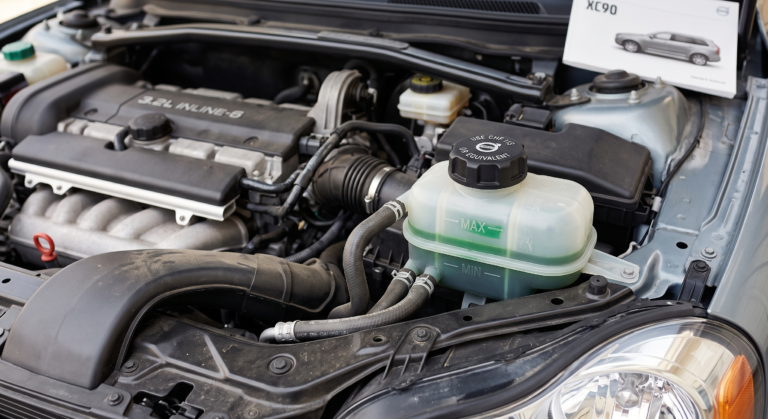
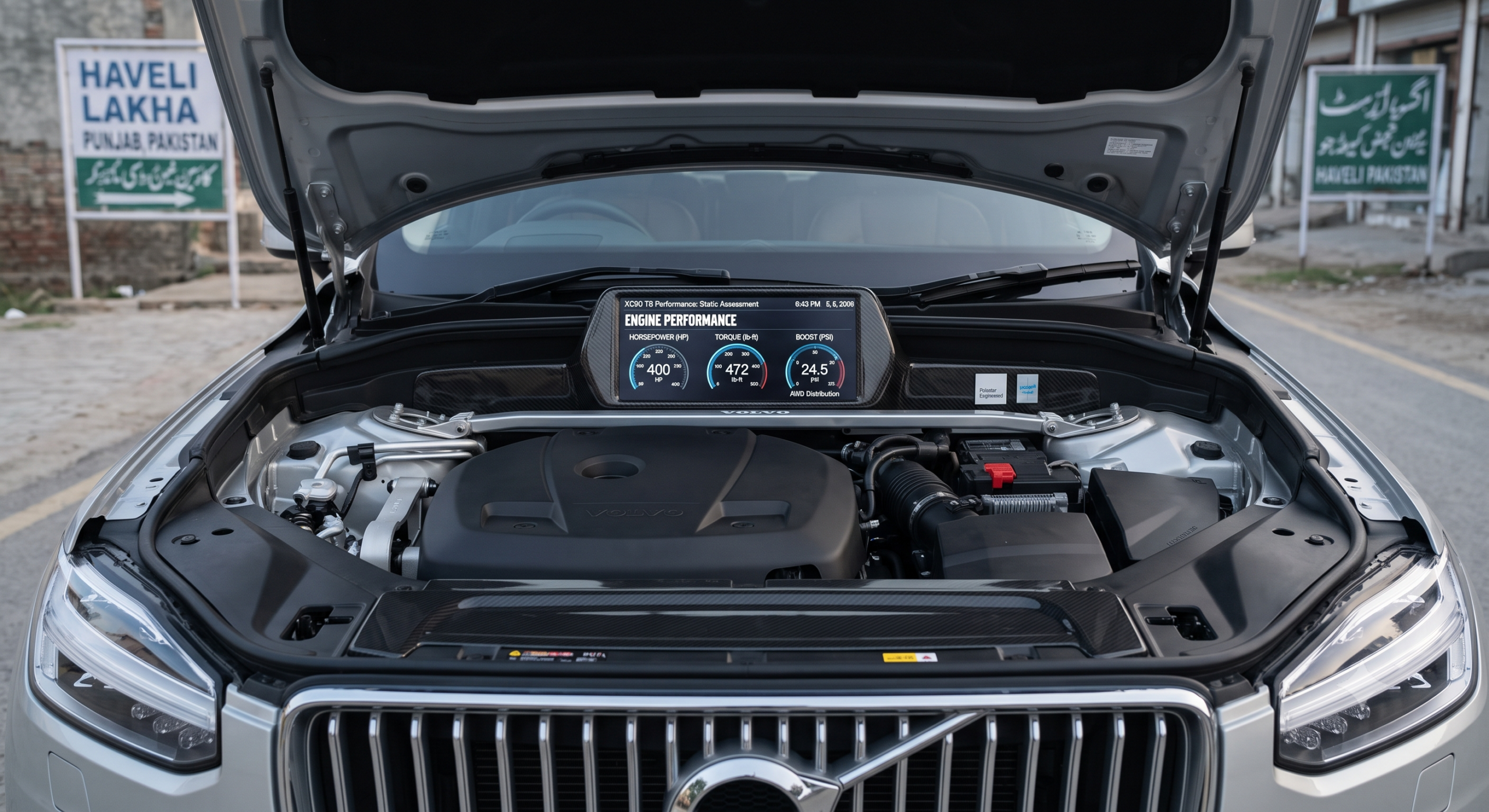
How to Fix Reduced Engine Performance on a Volvo XC90?

Seeing “Reduced Engine Performance” flash across your XC90’s display while merging onto the highway is genuinely unsettling — the car pulls back power right when you might need it most. The good news is this message points to a fairly consistent, well-documented set of causes, and quite a few of them are fixable without a tow truck. I’ve researched Volvo owner reports, technician case notes, and diagnostic guidance across multiple XC90 generations, and the pattern of causes is remarkably consistent across model years.
TL;DR
- The message means your XC90’s ECU has detected a fault and triggered limp mode to protect the engine — it’s a safety response, not random glitch.
- The most common causes: mass airflow (MAF) sensor issues, throttle body problems, turbocharger boost leaks, faulty accelerator pedal sensors, and clogged air/fuel filters.
- An OBD-II scan is the fastest way to narrow down the actual cause — codes like P0101 (MAF) or P2111/P2112 (throttle) point to specific systems.
- If the message repeats or comes with “Engine System Service Required,” it’s time for a dealership visit rather than DIY troubleshooting.
- Oddly, unrelated issues like a burnt-out headlight bulb have been documented triggering this message on some model years — a reminder that the cause isn’t always where you’d expect.
The Core Answer
“Reduced Engine Performance” on a Volvo XC90 means the engine control unit has detected a fault and deliberately limited power — commonly called limp mode — to protect the engine from further damage. It’s the car’s built-in safety response, not a random malfunction.
The most frequently documented causes across XC90 model years are a faulty mass airflow sensor, a dirty or failing throttle body, a turbocharger boost leak (cracked or loose intercooler hoses), a malfunctioning accelerator pedal position sensor, and clogged air or fuel filters. Your first move should be an OBD-II scan to pull the specific trouble code — it’ll point you toward the actual system at fault rather than leaving you guessing.
Pull-quote: “Reduced Engine Performance isn’t your XC90 breaking down — it’s your XC90 protecting itself.”
Why Your XC90 Triggers This Message
The ECU is designed to intentionally limit power the moment it detects a fault outside normal parameters. This is a deliberate safeguard, not a failure of the car itself — it prevents a small sensor or airflow problem from turning into serious engine damage.
Documented cases across multiple XC90 generations point to a handful of recurring culprits: MAF sensor faults (often logged as code P0101), throttle-related issues (P2111/P2112), boost leaks in turbocharger hoses, and accelerator pedal sensor faults. In at least one documented case, a burnt-out xenon headlight bulb sent a faulty signal that confused the ECU into misreading pedal sensor data — a reminder that the trigger isn’t always obviously connected to engine performance at all.
Quick Tip: Before assuming a major repair, check that your oil cap and gas cap are both fully tightened — some scan-confirmed cases have traced back to something this simple.
Step-by-Step: What to Check First
Start with the cheapest, easiest checks before assuming you need a major repair. Scan for trouble codes with an OBD-II reader (many auto parts stores will do this for free), then work through these areas in order:
- Check the air intake system — a dirty air filter or clogged intake duct restricts airflow and is one of the simplest fixes.
- Inspect the MAF sensor — clean or replace it if it’s coated in dirt or debris; this is a very common trigger.
- Look at turbocharger hoses — cracked or loose intercooler connections cause boost leaks that reduce power.
- Check the throttle body — a dirty or uncalibrated throttle body has been linked to persistent limp mode cycling in owner reports.
- Verify the accelerator pedal sensor — documented ECM fault codes (ECM-9400, ECM-940D, ECM-941D) point directly to this component in several cases.
Here’s how these causes compare on typical fix difficulty:
| Cause | How Common | DIY-Friendly? |
|---|---|---|
| Dirty air filter/intake | Very common | Yes — cheap and easy |
| MAF sensor fault | Very common | Yes — cleaning or swap |
| Turbo boost leak (hoses) | Common | Moderate — visual inspection possible |
| Throttle body issue | Common | Harder — may need calibration |
| Accelerator pedal sensor | Documented across model years | Harder — often needs dealer diagnosis |
| Unrelated electrical fault (rare) | Uncommon but documented | Requires proper diagnostics |
Pros & Cons by Reader Type
Owner comfortable with basic DIY checks
- ✅ Air filter and MAF sensor cleaning are inexpensive first steps you can do yourself
- ✅ An OBD-II scan at a parts store is often free and narrows the cause quickly
- ❌ Throttle body and pedal sensor issues often need dealer-level calibration tools
Owner whose message cleared after restarting the car
- ✅ A one-time occurrence with no recurrence may not need immediate repair
- ❌ The fault code stays logged even if the message disappears, so it’s worth having it checked eventually
- ❌ Intermittent issues can return unexpectedly, sometimes at inconvenient moments
Owner seeing “Engine System Service Required” alongside the message
- ✅ Nothing — this combination signals a more serious issue
- ❌ Should be treated as a sign to get to a service center soon, not a DIY project
Real-World Scenario
Picture returning from a mountain drive when your XC90 suddenly can’t climb hills above 40 mph, with “Reduced Engine Performance” and “Engine System Service Required” both showing. In a documented case matching this exact scenario, technicians traced it to a faulty accelerator pedal sensor — but even after replacing it and the ECM, the message persisted until they found a burnt-out aftermarket headlight bulb was sending confusing signals to the computer.
That case is a good reminder: sometimes the obvious first fix isn’t the actual root cause, and a systematic diagnostic approach saves you from replacing parts that were never broken.
Alternatives Worth Considering
- Try a battery disconnect reset if the message appeared once and you want to see if it was a fluke — disconnect the negative terminal for 15-30 minutes, but get the codes scanned first so you don’t lose that diagnostic information.
- Go straight to a Volvo-specialized shop if the issue is recurring or paired with “Engine System Service Required” — generic scanners sometimes miss Volvo-specific codes that a dealer-level tool catches.
FAQ
Is it safe to keep driving with a reduced engine performance message? If the vehicle isn’t overheating and you’re not also seeing a “Stop Engine” message, it’s often considered safe to drive cautiously to a service center, but a repeat occurrence should be checked soon.
What’s the most common cause of this message on an XC90? Mass airflow sensor faults and throttle-related issues are among the most frequently documented causes across model years.
Can a bad headlight bulb really cause this message? Yes — in at least one documented case, a burnt-out aftermarket xenon bulb sent a faulty signal that the ECU misread as a pedal sensor fault.
Should I replace parts before scanning for codes? No — scanning first with an OBD-II reader helps you target the actual problem instead of guessing and replacing parts unnecessarily.
Does cold weather affect this warning? Yes — extreme cold can thicken engine oil and cause sluggish fuel atomization, which has been linked to reduced performance symptoms in some cases.
Key Takeaways
- “Reduced Engine Performance” means your XC90’s ECU intentionally limited power to protect the engine — it’s a safeguard, not random failure.
- MAF sensor faults, throttle body issues, turbo boost leaks, and pedal sensor problems are the most commonly documented causes.
- Scan for trouble codes before replacing parts — codes point you toward the actual system involved.
- A message paired with “Engine System Service Required” warrants a service center visit rather than DIY troubleshooting.
- Occasionally, unrelated components (like a bad headlight bulb) have been documented triggering this message — don’t assume the obvious cause is always correct.
Next Step
Get your XC90 scanned for trouble codes at a parts store or Volvo-specialized shop before replacing any components.