How to Change a Volvo Key Fob Battery?

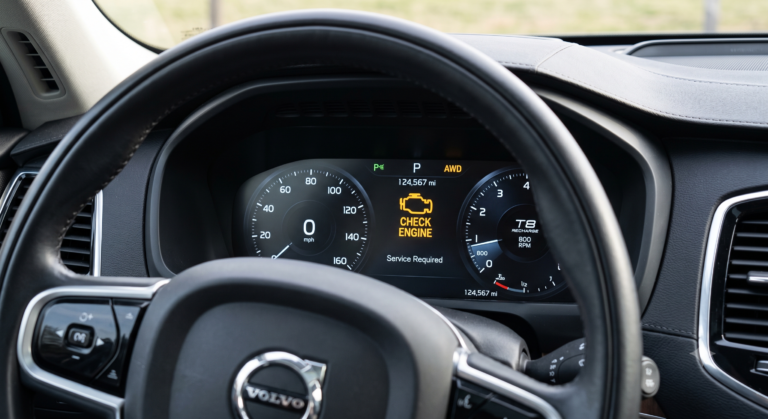
Your Volvo’s dashboard just flashed a low battery warning for the key, or maybe the fob’s just gotten stubborn about unlocking from more than a few feet away. Either way, this is a five-minute fix you can do at your kitchen table.
TL;DR
- Most Volvo key fobs use a CR2032 battery, though some sedans use a CR2450.
- The fob opens via a sliding catch near the key ring, not screws, on most modern designs.
- Battery orientation matters — positive (+) side up is the standard rule.
- Your Volvo will typically recognize the fob immediately after a battery swap, no reprogramming needed.
- A Key Tag accessory doesn’t have a replaceable battery — it gets swapped entirely when it dies.
The Quick Answer
To change a Volvo key fob battery, slide the release catch near the key ring to separate the front shell, lift out the old CR2032 (or CR2450, depending on model) battery, insert the new one positive-side up, and snap the shells back together. Most Volvo fobs work again immediately with no resyncing required.
Which Battery Does Your Volvo Actually Need?
This is the step people most often get wrong, so check before you buy.
| Model | Typical Battery |
|---|---|
| XC90, XC60, XC40 | CR2032 |
| S90, S60 | CR2450 (some CR2032) |
| V60, V90 (incl. Cross Country) | CR2032 |
Quick Tip: When in doubt, check the engraving on your old battery before buying a replacement — it’s the fastest way to confirm you’re getting the right one, since Volvo has used slightly different batteries across body styles.
Pull quote: The wrong battery size is the single most common reason a “battery replacement” doesn’t fix anything.
How to Open and Replace the Battery
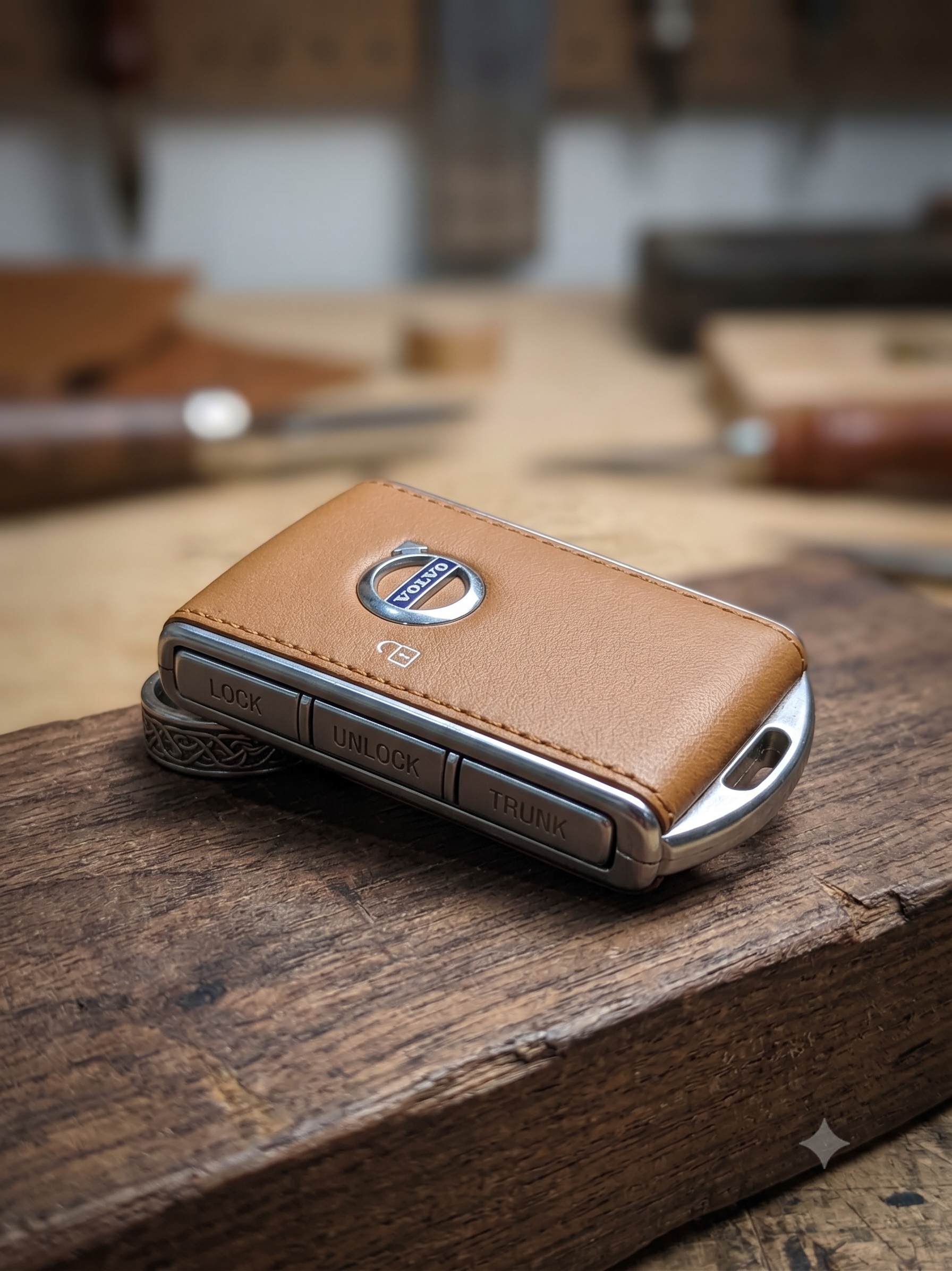
This process works for most rectangular “brick style” Volvo fobs used since around 2016.
- Hold the fob with the Volvo logo facing up and the key ring toward you.
- Locate the small sliding catch near the key ring.
- Slide the catch to the side and remove the front shell.
- Note the old battery’s orientation before removing it.
- Lift out the old battery, avoiding touching the battery’s flat contact surfaces with your fingers.
- Insert the new battery positive (+) side up, in the same orientation as the old one.
- Refit the front shell, pressing until it clicks, then slide it fully into place.
- Test the fob on your car before considering the job done.
Expert Insight: Avoid touching the contact surfaces of a new battery directly with your fingers — oils from your skin can impair the battery’s contact quality and shorten its effective life.
If Your Fob Has a Twist-Style Battery Cover Instead
Some Volvo fobs (particularly certain XC40 and XC60 designs) use a twist cover rather than a simple shell.
- Remove the emergency key blade first, which is often needed to access a release catch.
- Use a coin or flathead screwdriver to twist the battery cover to “OPEN.”
- Lift out the old battery and insert the new one, positive side up.
- Twist the cover back to “CLOSE” until it clicks securely.
- Refit the key blade and test the fob.
Real-world scenario: You’re heading out the door and the fob barely unlocks the car from ten feet away, when it used to work from across the driveway. That’s a textbook fading-battery symptom — swap it before it dies completely and you’re locked out.
Comparing Battery Types and Lifespan
| Battery | Common Use | Typical Lifespan |
|---|---|---|
| CR2032 | XC90, XC60, XC40, V60/V90 | 2–4 years |
| CR2450 | S90, some S60 | Similar, slightly longer capacity |
| Key Tag (non-replaceable) | Compact accessory key | Entire unit replaced when dead |
Quick Tip: If you have a “Smart Key” passive-entry system, expect the battery to drain somewhat faster than a standard fob, since it’s continuously transmitting a signal to detect when you’re nearby.
Pros & Cons by Owner Type
The DIY-confident owner
- Pros: Takes under 5 minutes, costs a couple of dollars for a battery
- Cons: Easy to buy the wrong battery size if you don’t check first
The owner who’d rather not risk it
- Pros: A dealer service center can do this in minutes with zero guesswork
- Cons: Costs more for something genuinely simple to do yourself
The Key Tag user
- Pros: Compact, water-resistant, no battery maintenance ever
- Cons: When it dies, the whole unit needs replacing — no DIY fix available
Choose the DIY route if you’re comfortable with a small sliding catch and confirming your battery type first. Choose a dealer visit instead if your fob feels stuck, damaged, or you’re not confident prying anything open.
FAQ
Do I need to reprogram my Volvo key fob after changing the battery? No — in most cases, you will not need to reprogram your Volvo key fob, and it should resume normal operation as soon as the new battery is installed.
What if my key fob still doesn’t work after a battery swap? Double-check the battery’s orientation and confirm you used the correct battery type — those two mistakes account for most “it still doesn’t work” cases.
Can I still start my car if the fob battery is completely dead? Yes — most modern Volvos have a backup reader, often in the console or cupholder, where you place the dead fob to start the car normally.
How long does a Volvo key fob battery actually last? Typically between 2 and 4 years, though passive “Smart Key” systems that constantly transmit a signal may drain somewhat faster.
Why doesn’t my Key Tag have a battery I can replace? Volvo designed the Key Tag as a compact, sealed accessory key specifically without a replaceable battery — when it dies, you get a new one from a Volvo retailer and have the old one removed from the car’s system.
Key Takeaways
- Most Volvo fobs use a CR2032, but sedans often need a CR2450 — check first.
- The fob opens via a sliding catch, not screws, on most current designs.
- Battery orientation matters — positive side up is the standard rule across models.
- No reprogramming is needed after a standard battery swap.
- The Key Tag accessory is the one exception — it’s replaced whole, not serviced.
Next Step
Check your old battery’s engraving right now to confirm the size, then grab a quality CR2032 or CR2450 before you start — it’s the one step that prevents a second trip.