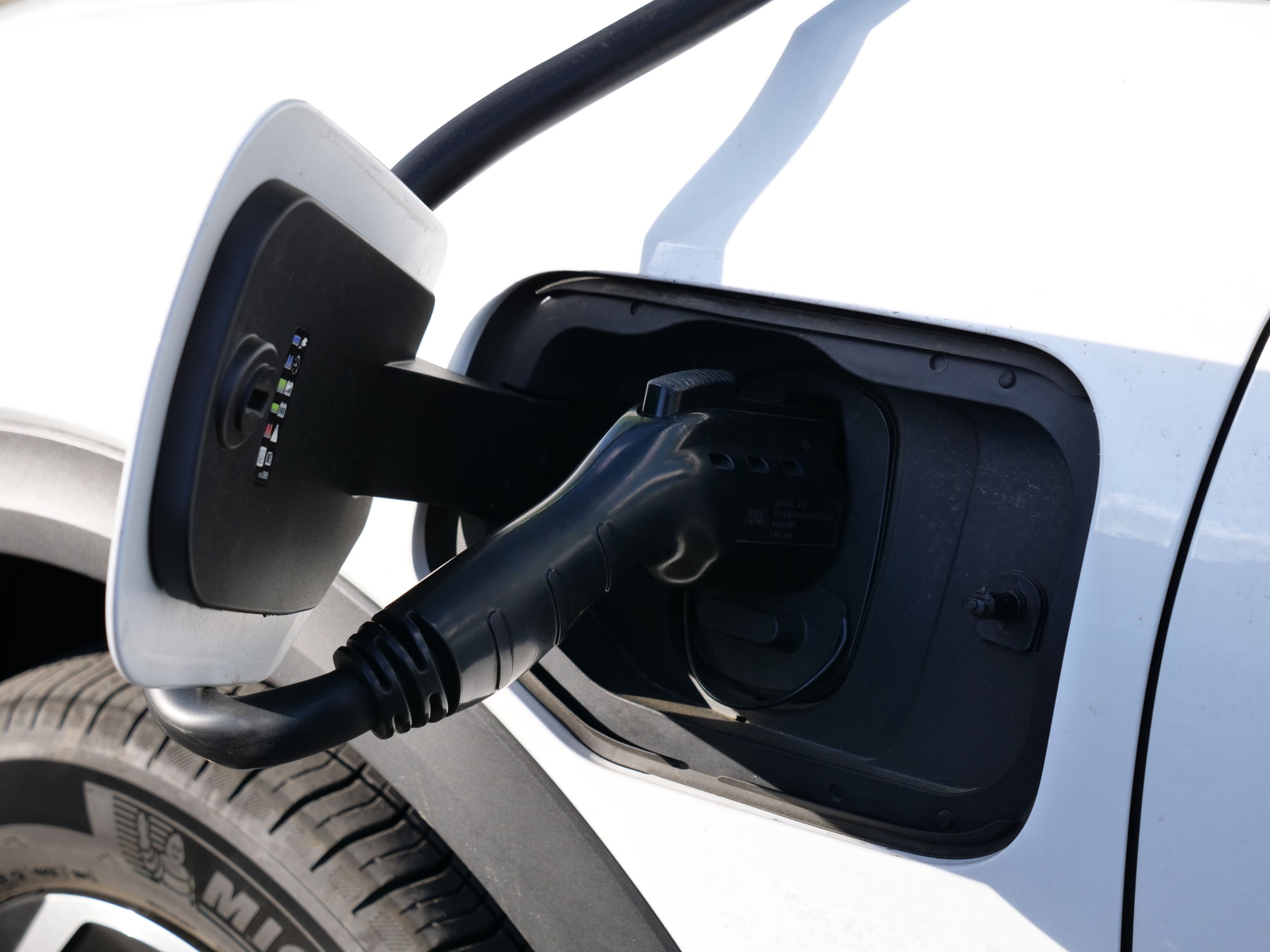
How to Charge Volvo XC40 Recharge?

You just bought a Volvo XC40 Recharge — or you’re thinking about it — and suddenly the words “CCS,” “Type 2,” and “onboard charger” are flying at you like a vocabulary quiz you never signed up for. Don’t panic. Charging an XC40 is genuinely simple once you know what connects where.
TL;DR
- The XC40 Recharge charges via a CCS inlet (left rear of the car) using Type 2 for AC and CCS for DC fast charging
- Home charging with an 11 kW wallbox takes around 5.5–7 hours from empty to 80%
- Public DC fast chargers (150 kW peak) can get you from 10% to 80% in roughly 40 minutes
- Always charge to 80% daily to protect battery health — save 100% for long trips
- Use the Volvo Cars app to schedule charging, monitor status, and precondition the battery
Where Is the Charging Port on the Volvo XC40?
The XC40 Recharge’s charging inlet is found on the near-side (left) rear quarter panel — exactly where you’d expect a fuel flap to be on a petrol car. Open it by pressing the flap gently or using the Volvo Cars app.
The port uses the CCS (Combined Charging System) standard, which means it has a combined AC and DC inlet. The upper Type 2 portion handles home and public AC charging; the lower CCS section engages during rapid DC charging.
The 3 Ways to Charge Your Volvo XC40
1. Home Charging (the one you’ll use 90% of the time)
Home charging is your daily bread. It’s cheap, convenient, and happens while you sleep.
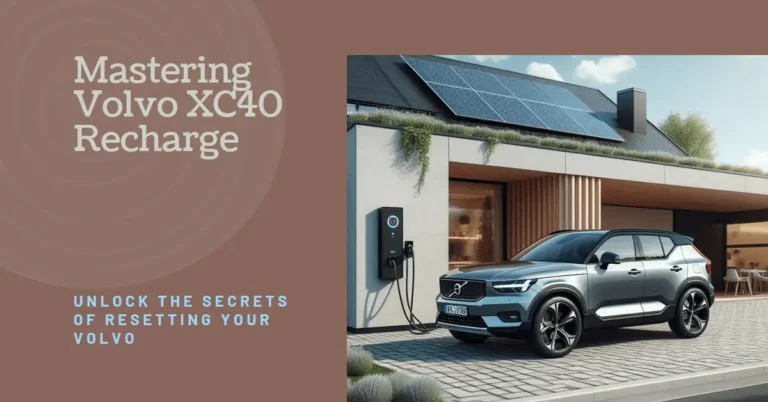
Volvo recommends an 11 kW wallbox for home charging, which gives around 5.5 hours from empty to 80% — or approximately 35 miles of range added per hour. That’s enough to top up a full day of driving in a few evening hours.
You can also charge via a standard wall socket using a Mode 2 cable, but this takes roughly 24 hours to reach 80% from empty — making it strictly an emergency option, not a daily habit.
Quick Tip: Install a dedicated home wallbox before your car arrives. It’s the single biggest quality-of-life upgrade for EV ownership. Many energy providers offer off-peak rates after 9 PM that can cut your cost per charge by 30–50%.
What cable do you need at home?
| Charging Type | Cable | Approx. Speed | Time to 80% |
|---|---|---|---|
| 3-pin wall socket | Mode 2 (supplied) | 2.3 kW | ~24 hours |
| 7-pin wallbox | Type 2 to Type 2 | 7.4 kW | ~9 hours |
| 11 kW wallbox | Type 2 to Type 2 | 11 kW | ~5.5 hours |
2. Public AC Charging (top-ups at car parks, supermarkets, workplaces)
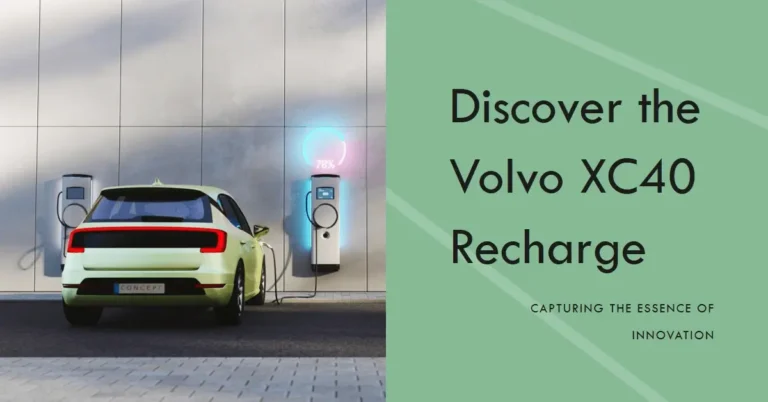
The XC40 Recharge can slow, fast, and rapid charge from public charging stations. Slow charging requires a 3-pin-to-Type 2 cable; fast AC charging uses a Type 2 to Type 2 cable, which is usually supplied with the vehicle.
The XC40 Recharge is fitted with an 11 kW onboard charger for AC. This means that even if you plug into a fast charger rated above 11 kW, the car will only draw up to 11 kW. Don’t be alarmed — that’s the hardware limit, not a fault.
A real-world scenario: Sarah drives 30 miles to work in Manchester, plugs into the office 7 kW charger at 9 AM, and leaves at 5 PM with a battery that’s recovered nearly 60 miles of range. She hasn’t visited a public rapid charger in three weeks.
3. Public DC Fast Charging (for road trips and long days)
At a 150 kW DC charging station, the XC40 Recharge can charge from 10% to 80% in approximately 40 minutes — enough time to stop for a coffee and stretch your legs.
Newer 2024+ XC40 Recharge variants with the larger battery can peak at up to 205 kW DC charging on compatible stations. Earlier AWD models top out around 130–150 kW, so results vary by model year.
Expert Insight: The last 20% of a DC fast charge deliberately slows down to protect battery cells. Above 80%, DC charging speed can drop to around 50 kW — adding over 30 minutes for that final stretch. Unless you genuinely need a full battery, stopping at 80% saves you time and battery cycles.
How Long Does It Take to Charge a Volvo XC40?
Charging time depends on three things: how much battery you’re filling, the charger’s power output, and your car’s onboard charger limit.
| Charger Type | Power | Charge Speed | 20–80% Time |
|---|---|---|---|
| 3-pin socket | 2.3 kW | Slow | ~18–24 hrs |
| Home wallbox | 7.4–11 kW | Fast AC | 5.5–9 hrs |
| Public AC fast | 11 kW | Fast AC | ~5.5 hrs |
| DC rapid charger | 50 kW | Rapid DC | ~75 mins |
| DC ultra-rapid | 150 kW+ | Ultra-rapid DC | ~40 mins |
(Times based on the 78 kWh battery variant, as of June 2026. Actual times vary with temperature and battery state.)
How Much Does It Cost to Charge a Volvo XC40?
The biggest variable is where you charge. Home charging is consistently the cheapest option per mile, while public rapid DC charging tends to be the most expensive due to higher energy tariffs and 20% VAT (compared to 5% VAT on domestic electricity).
A rough breakdown (using typical UK rates as of mid-2025):
| Location | Rate (approx.) | Full charge cost (78 kWh) |
|---|---|---|
| Home (off-peak) | ~£0.10–0.15/kWh | £8–12 |
| Home (standard tariff) | ~£0.28/kWh | ~£22 |
| Public AC charger | ~£0.35–0.45/kWh | £27–35 |
| Public DC rapid | ~£0.55–0.75/kWh | £43–58 |
Quick Tip: Set a charge schedule in the Volvo Cars app to charge overnight during off-peak hours. Over a year, this can save hundreds of pounds compared to daytime home charging.
How to Actually Start a Charging Session
At home or work
Home and workplace chargers start automatically once plugged in — no app or card needed. The car communicates with the charger to verify the connection is safe, then begins charging on its own.
At a public charger
Park so the left rear of the car faces the charging station. Open the charging flap, grab the appropriate connector from the station’s holster, and plug it firmly into the vehicle. Then use the charging provider’s mobile app or tap an RFID card to activate the session. Some newer stations accept contactless bank cards directly.
After a few seconds, you can see the charging status on the station screen, the vehicle’s driver display, or the provider’s app.
Expert Insight: Use PlugShare or Zap-Map before you leave to check charger availability and recent user reviews. A 150 kW station that’s “out of service” on a Sunday afternoon in the Lake District is not where you want to discover that fact.
Pros & Cons by Persona
The Daily Commuter
Pros: Home charging means your car wakes up full every morning. 11 kW wallbox charging is fast enough to recover a full commute overnight with hours to spare. Off-peak rates keep costs minimal. Cons: If you live in a flat without a driveway, home charging isn’t available — you’ll rely entirely on public charging networks.
The Road Tripper
Pros: 40-minute DC fast charges at 150 kW are genuinely usable rest stops. Preconditioning the battery by navigating to a charger via Google Maps automatically heats or cools the pack for optimal DC charging speed. Cons: Road trips require some planning. The DC charging network is denser in cities; rural routes need more forethought.
The New EV Owner
Pros: The Volvo Cars app handles scheduling, monitoring, and preconditioning in one place. The car is forgiving — plug in and it does the thinking. Cons: Public charging network registration (RFID cards, apps per network) has a learning curve. Budget a week to get set up across the two or three networks you’ll likely use.
Battery Health: The 80% Rule and Why It Matters
“Always charge to 100%” is the biggest mistake new EV owners make. Volvo and charging experts recommend stopping at 80% for daily use, as this protects the battery and maximises efficiency.
The last 20% of charging slows significantly and adds disproportionate stress to battery cells over time. Set your charge limit to 80% in the Volvo Cars app and only push to 100% the night before a long journey.
A 2024 EV battery longevity study found that EVs regularly charged to 100% lost measurably more capacity over five years than those kept in the 20–80% window. Treating your battery kindly here pays off in long-term range retention.
Quick Tip: Preheat or pre-cool your cabin while the car is still plugged in before a cold morning — it draws from the grid rather than the battery, preserving your range.
Alternatives: Choose This If…
Choose a home 7.4 kW wallbox if you drive under 60 miles daily and want a lower-cost installation. It charges more slowly than 11 kW but handles most everyday needs without the higher hardware cost.
Choose a 3-pin cable overnight if you genuinely only need a top-up of 20–30 miles and have no wallbox yet — but treat this as a bridge solution, not a long-term plan.
FAQ
Can I charge a Volvo XC40 at a Tesla Supercharger? Volvo has committed to adopting the NACS (Tesla) connector standard in North America, and with an adapter, XC40 owners can access the Tesla Supercharger network. In Europe, Superchargers use CCS, so the XC40 can use them directly.
What happens if I leave my XC40 plugged in all night? Nothing bad. The car’s battery management system stops charging once it hits your set limit. Leaving it plugged in is actually better than unplugging at 80% — it keeps the battery at a stable state and allows preconditioned cabin warming.
Does cold weather affect charging speed? Yes, noticeably. In very cold conditions, an XC40’s range can drop by 40% and DC fast charging speeds reduce until the battery warms up. Using the precondition feature before charging helps significantly.
Do I need a specific cable for public DC charging? No. DC rapid chargers use tethered CCS cables permanently attached to the station. You just plug in — no cable of your own needed.
Can I use any Type 2 wallbox, or does it have to be Volvo’s? Any certified 7.4 kW or 11 kW Type 2 wallbox works with the XC40 Recharge. Volvo does offer its own branded wallbox at 11 kW/32A with approximately 35 miles of range per hour, but third-party options from brands like Pod Point, Ohme, or Easee work just as well.
Key Takeaways
- The XC40 Recharge charges via CCS inlet on the left rear of the car
- Home wallbox (11 kW) is the best everyday setup — 5.5 hours from empty to 80%
- DC fast charging at 150 kW gets you 10–80% in around 40 minutes on the road
- Set your daily charge limit to 80% in the app to protect long-term battery health
- Precondition the battery via the app or Google Maps before cold-weather DC charging
- Public charging requires account setup per network — sort your RFID cards or apps before your first road trip
What to Do Next
Download the Volvo Cars app, set your daily charge limit to 80%, and if you don’t have a home wallbox yet, get quotes from three installers this week. The wallbox is the single decision that makes EV life effortless — and most owners say they wish they’d sorted it sooner.