When investing in a luxury sport utility vehicle, long-term durability is the ultimate test of engineering excellence. Unlike economy commuters that are often discarded after 120,000 miles, the Volvo XC60 is engineered with a robust galvanized steel chassis, high-grade acoustic glass, and premium mechanical components built for harsh Scandinavian winters. But when prospective owners look beyond the factory 4-year/50,000-mile warranty, one pivotal question stands out: How long does a Volvo XC60 actually last in real-world driving conditions?
Longevity & Lifespan Verdict
Volvo XC60 Expected Lifespan: 200,000 to 250,000+ Miles (15–20 Years)
A properly maintained Volvo XC60 will reliably deliver 200,000 to 250,000+ miles (15 to 20 years of driving) before requiring major powertrain overhauls. First-generation P3 models (2010–2016) equipped with the 3.0-liter turbocharged inline-six (B6304T4) frequently surpass 300,000 miles due to their heavy-duty iron cylinder liners and timing chain. Modern SPA-platform models (2018–2025) easily cross the 200,000-mile threshold provided the critical timing belt service is performed at 120,000–150,000 miles and full-synthetic VCC RBS0-2AE 0W-20 oil is changed every 5,000 to 7,500 miles.
Realistic Mileage Expectation 200,000 to 250,000+ miles (320,000+ km)
Critical Failure Risk Point Timing belt (Drive-E interference engine: 150k/10yr)
Average Annual Maintenance $746 / year (Substantially lower than German peers)
According to comprehensive automotive longevity studies by iSeeCars and Consumer Reports, Volvo ranks consistently among the top automotive brands with vehicles reaching over 200,000 miles. But crossing the quarter-million-mile mark does not happen by accident. An XC60’s ability to reach 250,000 miles depends on understanding its platform architecture, addressing generation-specific wear items, and adhering to strict fluid and timing belt service intervals. In this detailed longevity guide, we lay out the complete 250,000-mile blueprint, detailing essential maintenance milestones, component lifespans, and how to avoid catastrophic engine failures.
Real-World Mileage Expectations by Engine and Platform
Not all XC60s age identically. Depending on whether you drive a first-generation P3 chassis with an inline-six or a second-generation SPA model with a modular Drive-E 4-cylinder, your maintenance focus and theoretical ceiling vary significantly.
Platform & Powertrain
Production Years
Expected Realistic Lifespan
Camshaft Drive Mechanism
Key Longevity Bottlenecks
P3 3.0L T6 Turbo (B6304T4)
2010–2016
250,000 – 320,000+ miles
Heavy-Duty Timing Chain
READ (Rear End Auxiliary Drive) bearing, PCV oil trap box, front lower control arms.
P3 3.2L Inline-6 (B6324S)
2010–2015
230,000 – 280,000 miles
Heavy-Duty Timing Chain
Water pump weep hole leakage, serpentine belt idler pulley, oil filter housing gasket.
SPA 2.0L T5 Turbo (B4204T23)
2018–2021
200,000 – 260,000 miles
Rubber Timing Belt (Interference)
Timing belt replacement at 120k/10yr, plastic coolant lines, carbon buildup on intake valves.
SPA 2.0L T6 Twincharge (B4204T27)
2018–2021
190,000 – 240,000 miles
Rubber Timing Belt (Interference)
Supercharger magnetic clutch wear, thermal line embrittlement, turbo wastegate actuator.
SPA 2.0L B5 Mild Hybrid
2022–2025
200,000 – 250,000 miles
Rubber Timing Belt (Interference)
48V lithium auxiliary battery life (8–10 yrs), brake-by-wire hydraulic module.
Enter your current odometer reading, annual driving mileage, and vehicle architecture to calculate your remaining expected vehicle lifespan and discover your upcoming critical service requirements:
⏳ Volvo XC60 Longevity Predictor
Evaluate your vehicle’s mechanical trajectory and upcoming preventative hurdles:
The 250,000-Mile Longevity Blueprint: Critical Service Milestones
To safely shepherd your Volvo XC60 past 200,000 miles without catastrophic failures, adhere to this battle-tested maintenance schedule:
1
Every 5,000 to 7,500 Miles: Strict Synthetic Oil Changes
Ignore Volvo’s official 10,000-mile oil change marketing interval. Modern direct-injected turbocharged engines subject motor oil to severe fuel dilution and thermal shearing. Use only full-synthetic 0W-20 meeting Volvo VCC RBS0-2AE (such as Castrol EDGE Professional V or Liqui Moly Special Tec V). This single habit prevents carbon buildup around piston rings and protects high-speed turbocharger bearings.
2
50,000 to 60,000 Miles: Transmission & AWD Haldex Fluid Service
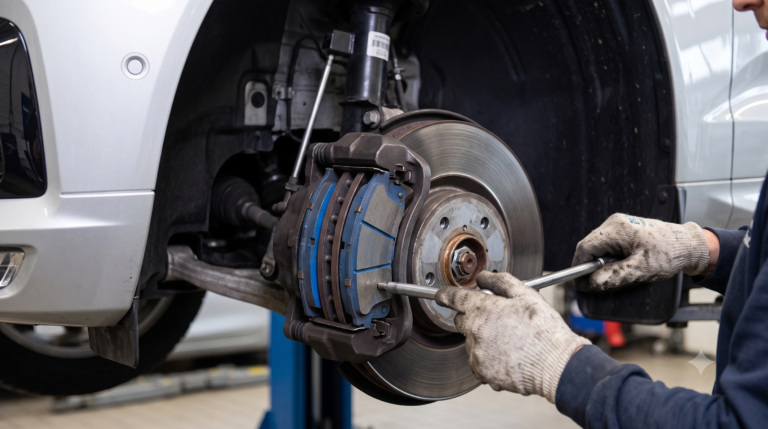
Volvo dealers claim transmission fluid is “lifetime.” In the real world, lifetime simply means until the warranty expires! Perform a drain-and-fill on the Aisin 8-speed automatic using genuine Volvo ATF (Part # 31492172). Simultaneously, drain the BorgWarner Gen V AWD coupling, remove the pre-charge pump to clean friction sludge from the strainer, and refill with fresh Haldex gear fluid.
3
90,000 to 100,000 Miles: PCV Oil Trap & Suspension Refresh
The plastic PCV oil trap box on top of the cylinder head houses an internal rubber diaphragm that regulates crankcase vacuum. When this diaphragm tears, it creates a loud whistling noise, triggers lean fuel codes, and blows out the rear main crankshaft seal. Replace the oil trap box ($180 part). Inspect front lower control arm rear hydro-bushings for cracking and hydraulic fluid leakage.
4
120,000 to 150,000 Miles: The Timing Belt & Water Pump Must-Do
This is the life-or-death milestone for all 2.0L Drive-E engines. Do not wait for the 150,000-mile or 10-year outer limit. Replace the rubber timing belt, tensioner pulley, idler roller, auxiliary serpentine belt, and engine water pump simultaneously. Because this is an interference engine, a snapped belt causes instant valve-to-piston collision, destroying the engine head ($6,000+ repair).
5
180,000 to 220,000 Miles: High-Mileage Systems Overhaul
At this veteran stage, replace the engine coolant hoses, thermostat housing assembly, alternator voltage regulator, engine and transmission torque mounts, and primary 12V AGM starter battery. A walnut-shell blast on the intake valves will restore crisp throttle response and lost fuel economy by cleaning baked direct-injection carbon.
Master Tech Tip
Mark Anderson, Senior Technical Editor
“The owners who reach 250,000+ miles on their Volvos share one common trait: they replace wear items when they show early signs of degradation, rather than waiting for parts to catastrophically fail on the highway. A $180 preventative PCV oil trap box prevents a $2,200 rear main seal leak. A $750 timing belt service prevents a $7,000 engine replacement. Preventative maintenance on a Volvo is an investment that pays 10-to-1 dividends.”
Frequently Asked Questions About Volvo XC60 Longevity
The Engineering Blueprint to Reach 250,000+ Miles in an XC60
Achieving 200,000 to 250,000+ miles in a modern Volvo XC60 is well within the mechanical capability of both first-generation (SI6 inline-6) and second-generation (Drive-E 2.0L) platforms. However, reaching this elite milestone requires transitioning from reactive repairs to a disciplined, proactive maintenance regimen.
Volvo’s structural foundation provides a massive longevity advantage: over 40% of the XC60’s passenger safety cage is constructed from hot-formed ultra-high-strength boron steel, galvanized on both sides to resist road salt and corrosion. While the chassis will easily outlast 20 years of winter driving, the powertrain requires strict adherence to fluid thermodynamics and mechanical replacement intervals.
The Non-Negotiable Milestone: Drive-E Timing Belt Replacement (150k / 10 Yr)
The single most catastrophic failure mode for second-generation Drive-E 2.0L engines is neglecting the timing belt service. Unlike timing chain engines that rattle or throw timing codes when loose, rubber timing belts degrade silently until the teeth shear or the belt snaps:
Drive-E 150,000-Mile / 10-Year Timing Belt Checklist
Timing Belt (Part # 31430015): Heavy-duty HNBR rubber belt with high-tensile glass-fiber cord reinforcement.
Timing Belt Tensioner & Idler Pulley: Must be replaced simultaneously; seized bearings are the #1 cause of belt shredding.
Engine Water Pump (Part # 31401362): Driven directly by the timing belt. Replacing the water pump during this service prevents coolant leaks that contaminate the new belt.
Auxiliary Serpentine Belts & Decoupler Pulley: The Drive-E engine uses dual accessory belts for the A/C compressor and alternator; replace both during timing belt maintenance.
Debunking “Lifetime Fluid”: Aisin AW TG-81SC 8-Speed Servicing
In official owner manuals, Volvo states that the transmission fluid inside the Aisin AW TG-81SC 8-speed automatic gearbox is “filled for life” under normal operating conditions. Automotive transmission engineers universally agree that no petroleum or synthetic automatic transmission fluid (ATF) maintains its lubricating and anti-wear properties past 100,000 miles.
Over time, clutch friction material and metallic wear particles circulate through the valve body, leading to harsh 2-to-3 upshifts, delayed reverse engagement, and torque converter shudder. To guarantee 250,000-mile transmission longevity, perform a drain-and-fill transmission service every 50,000 to 60,000 miles using 4.0 liters of genuine Volvo ATF (Part # 31492172) or certified Aisin Warner AW-1 / JWS 3324 fluid. Always calibrate fluid level at exactly 122°F to 140°F (50°C to 60°C) using the transmission overflow standpipe.
Haldex AWD Coupling Fluid Service (60,000 Miles)
To guarantee AWD longevity past 200,000 miles, flush the BorgWarner/Haldex Gen V all-wheel-drive coupling fluid every 60,000 miles using genuine Volvo AWD fluid (Part # 31367940). Clean the electric pump suction screen to prevent pump motor failure.
Frequently Asked Questions
Is the Volvo XC60 an interference engine?
Yes. All 2.0-liter 4-cylinder Drive-E engines (2015–2025 XC60 T5, T6, B5, B6, and T8) are interference engines. This means the clearance between the open valves and the top of the piston crown is minimal. If the rubber timing belt snaps, skips teeth, or if the belt tensioner seized, the camshaft stops spinning while the crankshaft continues to push the pistons upward, slamming directly into the open valves. This results in bent valves, cracked valve guides, and catastrophic cylinder head destruction requiring a $6,000 to $8,000 engine overhaul.
When should the timing belt be replaced on a Volvo XC60?
Volvo’s official factory service schedule recommends timing belt replacement at 150,000 miles or 10 years, whichever occurs first. However, veteran Volvo master technicians and European independent specialists strongly urge owners to replace the timing belt, tensioner pulley, idler roller, and water pump at 120,000 miles or 8 years. Rubber timing belts degrade from engine bay thermal cycling, ozone exposure, and occasional oil vapor exposure, making proactive replacement the single most important investment in your XC60’s longevity.
Can a Volvo XC60 reach 300,000 miles?
Yes, but reaching 300,000 miles requires disciplined preventative maintenance rather than reactive repairs. First-generation P3 models (2010–2016) with the 3.0-liter turbocharged inline-six (B6304T4) have the highest documented success rate of crossing 300,000 miles due to their timing chain and iron-sleeved cylinder blocks. For modern 4-cylinder SPA models, reaching 300,000 miles requires strictly following 5,000 to 7,500-mile synthetic oil changes using VCC RBS0-2AE oil, performing 50k-mile transmission fluid drain-and-fills, and replacing the timing belt twice (at ~120k and ~240k miles).
What are the most expensive repairs on a high-mileage Volvo XC60?
On high-mileage XC60s (past 120,000 miles), the four most expensive potential repairs are: (1) ERAD (Electric Rear Axle Drive) replacement on T8 PHEVs ($4,500–$5,500); (2) Air conditioning evaporator core replacement ($2,500–$3,500 due to complete dashboard removal); (3) Four-corner air suspension strut and compressor replacement on Inscription/Ultimate models ($3,000–$4,500); and (4) Catalytic converter / turbocharger replacement ($2,200–$3,200).
Does the Volvo XC60 rust or suffer body corrosion?
No. Volvo employs double-sided hot-dip galvanized steel panels, extensive aluminum subframes, and heavy zinc-phosphate primer baths on all XC60 bodies. Even in the harsh road-salt environments of Scandinavia, the Canadian Rust Belt, and the northeastern United States, modern XC60s exhibit virtually zero structural rust perforation over 15 to 20 years. Minor surface corrosion is typically limited to unpainted cast-iron exhaust brackets and rear suspension fasteners.
How many miles will a Volvo XC60 last on average?
With standard scheduled maintenance, an average Volvo XC60 will reliably achieve **180,000 to 220,000 miles**. Well-maintained vehicles following preventative transmission fluid flushes, timely timing belt replacements, and proactive PCV servicing frequently surpass **250,000 to 300,000 miles** without requiring engine or transmission rebuilds.
Is it worth repairing an XC60 with over 150,000 miles?
Yes, provided the engine compression is healthy and the transmission shifts smoothly. Major 150,000-mile services (timing belt, water pump, suspension control arm bushings) typically cost $1,800 to $2,500 at an independent specialist. Spending $2,000 to maintain a fully paid-off luxury SUV is significantly more cost-effective than taking on $40,000+ in financing for a new vehicle.
What are the warning signs that an XC60 engine is nearing the end of its life?
Warning signs of severe engine wear include: excessive blue exhaust smoke under hard acceleration (worn piston rings or turbocharger seals), persistent low oil pressure warnings at hot idle, heavy valvetrain tapping/knocking caused by hydraulic lifter failure, and excessive blow-by pressure forcing engine oil past the dipstick tube (indicating worn cylinder wall cross-hatching).
Does the Volvo XC60 rear differential require oil changes?
Yes. Change the rear differential and front power transfer unit (PTU / bevel gear) oil every 60,000 to 75,000 miles using fully synthetic 75W-90 API GL-5 hypoid gear oil.
James Matthews
Lead Author
James is a lifelong Volvo enthusiast with over a decade of experience in the automotive industry. He dives deep into the history and models of Volvo, providing readers with comprehensive insights and expert analysis. James’s passion for the brand shines through in every article, making him your trusted source for all things Volvo.
Locked out of your Volvo XC60 with a dead fob or keys inside? Step-by-step emergency unlocking guide: mechanical blade release, hidden door cap removal, and app unlock.
Does the Volvo XC60 have built-in navigation? Yes. 2022+ models feature native Google Maps with digital cluster integration, while 2018-2021 models use Sensus Navigation. Explore updates, offline maps, and subscriptions.