Volvo Truck Ignition Switch Problems: A Complete Guide

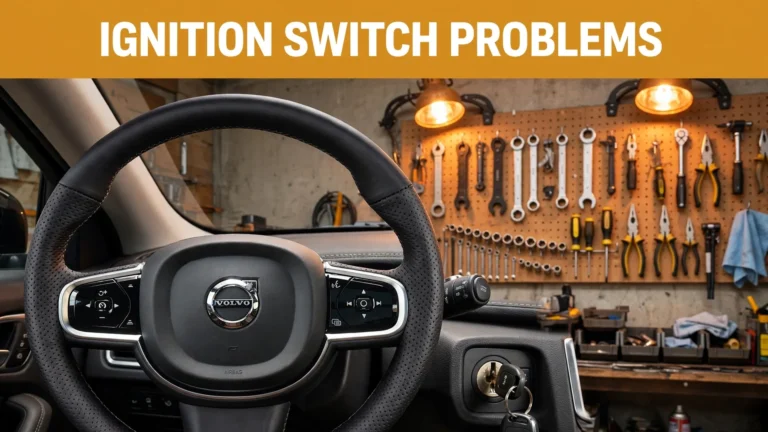
Picture this: You’re about to start your morning haul, coffee ready to hit the road. You turn the key in your Volvo truck’s ignition, and… nothing. Just silence. If this sounds familiar, you’re not alone. Many Volvo truck drivers have faced this frustrating scenario, and today we’re going to dive deep into what’s really going on under that dashboard.
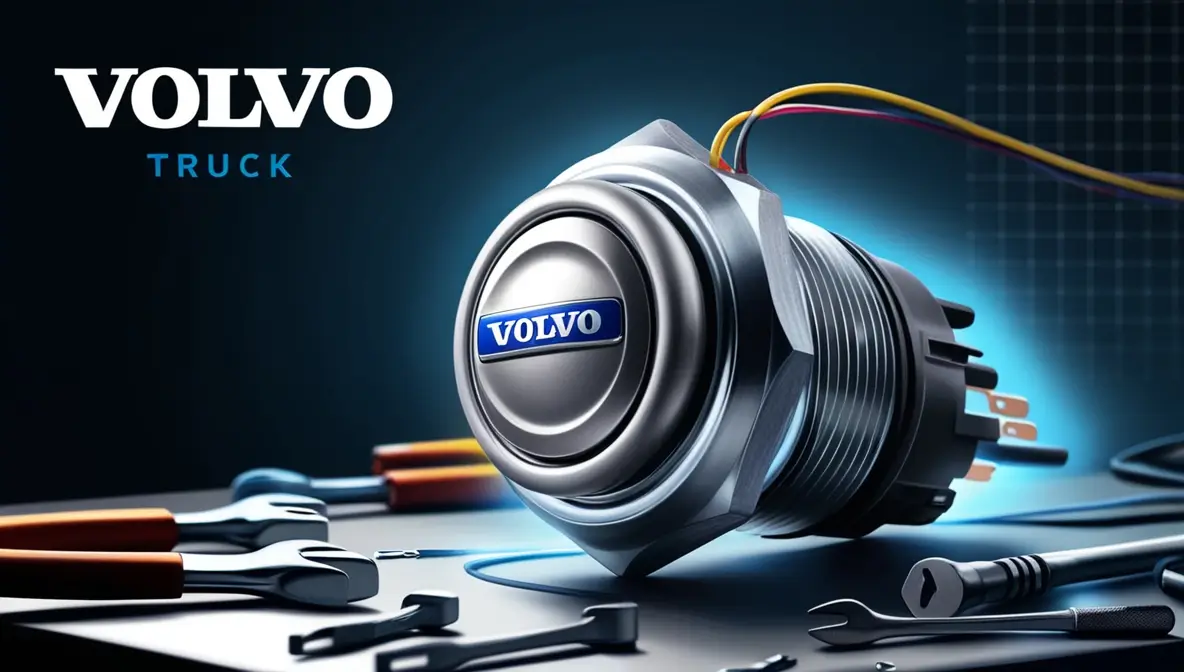
Want to know the most common culprit behind these ignition headaches? It’s usually worn-out electrical contacts inside the switch and exposure to everyday truck vibrations. These issues can turn your reliable rig into a stubborn mule that refuses to start – often at the worst possible moment.
Overview of Common Ignition Switch Issues in Volvo Trucks
Symptoms of a Faulty Ignition Switch
Remember my buddy Mike? He thought his truck’s battery was dead for three days, only to discover it was his ignition switch playing tricks. That’s the thing about ignition switch problems – they’re sneaky. One minute, your truck runs fine; the next, it’s giving you the cold shoulder.
The most obvious sign is when you turn the key and get crickets instead of that satisfying engine roar. But there’s more to watch for. Your dash lights might flicker like a disco party, or your engine could suddenly stall while cruising down I-80. Sometimes, your cabin lights might dim or brighten randomly – it’s like having a ghost in the electrical system.
What throws drivers for a loop is when the truck starts fine in the morning but decides to take an unscheduled break later in the day. This inconsistency is one of the most reliable indicators of ignition switch trouble.
Volvo Truck Models Prone to Ignition Switch Problems
Not all Volvo trucks are created equal regarding ignition switch issues. The VNL series, especially the 670 and 780 models, seem to have drawn the short straw in this department. I’ve logged countless miles in these trucks, and while they’re fantastic machines overall, their ignition systems can be a bit temperamental.
The FM and FH models also have their fair share of switch drama, particularly those built between 2005 and 2018. Even the shiny new 2024 VNL variants aren’t completely immune – though Volvo has significantly improved its electrical systems.
Fun fact: some drivers call these ignition problems “the key dance” because of all the jiggling and wiggling sometimes needed to get the switch to cooperate. It’s not exactly the dancing we want to do at 5 AM!
Causes of Ignition Switch Failures in Volvo Trucks
Mechanical Wear and Tear
Think about how many times you turn that key every day. Each twist slowly wears down the internal contacts, like water gradually eroding a rock. Over time, dust and moisture sneak in through tiny gaps, throwing a wrench in the works.
Ever notice how your truck’s switch feels different in humid weather? That’s because moisture is one of the biggest troublemakers for ignition switches. It’s like trying to light a match in the rain – sometimes it works, sometimes it doesn’t.
Wiring and Electrical Problems
Behind your dashboard lies a maze of wires that would make a city planner’s head spin. When these connections get loose or corroded, it’s like trying to have a phone conversation with a bad signal – the message isn’t getting through clearly.
Here’s a surprising tidbit: sometimes, what seems like an ignition switch problem is a blown fuse or a faulty relay. It’s like blaming your TV remote when the batteries need changing.
Software and ECU Issues
Let’s talk about the brain of your truck – the ECU. Modern Volvo trucks are computers on wheels, and sometimes, the ignition switch and ECU have communication problems worse than teenagers at a family dinner.
Last summer, I helped diagnose a “faulty” ignition switch that was an ECU misreading the switch signals. The truck’s computer thought the key wasn’t turned when it was – talk about mixed signals! These high-tech headaches are becoming more common as trucks get smarter.
How to Diagnose Ignition Switch Problems
Visual Inspection and Initial Tests
First things first – let’s play detective. Pop open that panel and look for anything fishy. Loose wires? Corroded connections? These are your usual suspects. It’s like checking your pockets for holes before blaming the washing machine for eating your change.
I always tell drivers to start with the simplest explanation. Check those fuses – they’re like the circuit breakers in your house but for your truck. A multimeter can be your best friend here. It’s like a doctor’s stethoscope for your truck’s electrical heart.
Testing power flow at the terminals might sound fancy, but it’s pretty straightforward. You’re just making sure electricity flows where and when it should. Think of it as checking if water’s reaching all your sprinklers – if one’s not getting power, you’ve found your problem spot.
Importance of Differential Diagnosis
Here’s where things get tricky. A no-start condition could be your ignition switch, but it could also be a dozen other things. It’s like having a headache – it could be stress, that third cup of coffee, or maybe you just need glasses.
Sometimes, the diagnostic computer won’t show any error codes, even when there’s a problem. That’s when experience counts. I’ve seen mechanics chase their tails looking at error codes while the real problem was hiding in plain sight.
Solutions and Preventive Measures
Repair vs. Replacement: Making the Right Choice
Let me shoot straight with you – sometimes fixing a switch is like putting a Band-Aid on a broken leg. You can repair loose connections or minor issues, but if that switch is worn out, it’s time for a replacement.
Think of it this way: if your boots are just missing laces, you replace them. But if the soles are worn through, you need new boots. The same principle applies here.
Step-by-Step Process for Ignition Switch Replacement
Replacing an ignition switch isn’t rocket science, but it’s not a job for the faint-hearted. First, disconnect that battery – unless you enjoy unexpected light shows and sparks!
I remember my first switch replacement. I took pictures at every step like a tourist in Times Square. Trust me, those photos saved me from turning a two-hour job into an all-day head-scratcher. Label everything you disconnect – your future self will thank you.
Testing before putting everything back together is crucial. Nothing worse than reassembling that dashboard only to find out something’s still not right. Been there, done that, got the grease-stained t-shirt!
Preventive Maintenance Tips
Want to avoid ignition drama altogether? Keep those connections clean and dry. It’s like dental hygiene for your truck – a little regular maintenance prevents bigger problems down the road.
Using dielectric grease on connections is like giving your electrical system a raincoat. It keeps moisture out and helps prevent corrosion. A little prevention today saves a lot of headaches tomorrow.
Costs and Downtime: What to Expect
Repair and Replacement Costs
Let’s talk money – because that’s what it always comes down to, right? A new ignition switch might cost anywhere from $200 to $850, depending on your truck model and whether you’re going OEM or aftermarket.
Labor costs vary by region and shop, but here’s a pro tip: replacing the switch can save you some serious cash if you’re handy with tools. Just make sure you know what you’re doing – DIY gone wrong can cost more than paying a pro from the start.
Downtime Implications for Fleet Operations
Time is money in trucking, and every hour your rig sits idle is cash flying out the window. A planned switch replacement might take a few hours, but an unexpected failure on the road? That’s a whole different ballgame.
Smart fleet managers schedule switch replacements during regular maintenance stops. It’s like changing your smoke detector batteries when you change your clocks – planned downtime beats emergency downtime every time.
Real-World User Experiences and Insights
Common Issues Reported by Volvo Truck Owners
Let me tell you about Big John from Texas. He tried bypassing his faulty ignition switch with a screwdriver – spoiler alert: his truck wouldn’t shut off for two days! While his story gives us a good laugh now, it highlights a serious point about avoiding quick fixes.
I’ve heard countless stories at truck stops about switches failing mid-route. One driver told me his truck stalled three times on a mountain pass. Talk about white-knuckle moments! These aren’t just inconveniences but safety concerns that need serious attention.
The trucking community has seen it all. From switches that only work when it’s above 50 degrees (like a mechanical groundhog predicting spring) to ones that need the “magic touch” – that special wiggle, only the regular driver knows about. These quirks might seem funny, but they’re red flags waving at you.
Community Solutions and Recommendations
Here’s where the rubber meets the road – real solutions from real drivers. The online trucking forums are goldmines of information, though you’ve got to separate the wheat from the chaff. One tip that keeps popping up? Keep a spare ignition switch in your tool kit. It’s like carrying an umbrella – you might not need it, but when you do, you’ll be glad you have it.
Many drivers swear by certain aftermarket switches, claiming they’re more reliable than OEM parts. Just remember – cheaper isn’t always better. As my old mentor used to say, “Buy once, cry once. Buy cheap, cry twice.”
Conclusion: Ensuring Longevity and Reliability
Importance of Regular Inspections and Diagnostics
Think of your truck’s electrical system like your body’s nervous system – when something’s off, you’ll get signals. The trick is learning to read these signals before they turn into full-blown problems. Regular inspections aren’t just box-ticking exercises; they’re your first line of defense.
Modern diagnostic tools have come a long way. They’re like having X-ray vision for your truck’s electrical system. Sure, they can’t catch everything, but they can spot potential problems before they leave you stranded on the side of the road.
Remember what we talked about earlier with preventive maintenance? It’s worth repeating: a little attention now prevents major headaches later. Keep those connections clean, watch for early warning signs, and don’t ignore the little quirks that could become big problems.
The Future of Volvo Trucks’ Ignition Systems
Here’s something exciting – Volvo isn’t sitting still on this issue. The newest models are rolling out with advanced electronic ignition systems that are more reliable than ever. Some even have keyless options, though old-school drivers might need convincing to give up their physical keys!
The 2024 VNL series shows promising improvements in its electrical systems. It’s like they’ve taken all those lessons learned from previous models and finally put them to good use. The future looks bright, with software-driven systems that could make mechanical switch failures a thing of the past.
Before we wrap up, here’s one final thought: your truck’s ignition switch is like a handshake between you and your rig. When it’s firm and reliable, everything’s good. When it gets weak and uncertain, it’s time for attention.
Remember, a well-maintained truck is a reliable truck. Stay proactive, listen to your vehicle, and don’t be afraid to ask for help when needed. After all, we’re all in this together on the long haul.
Stay safe out there, and keep those wheels turning!