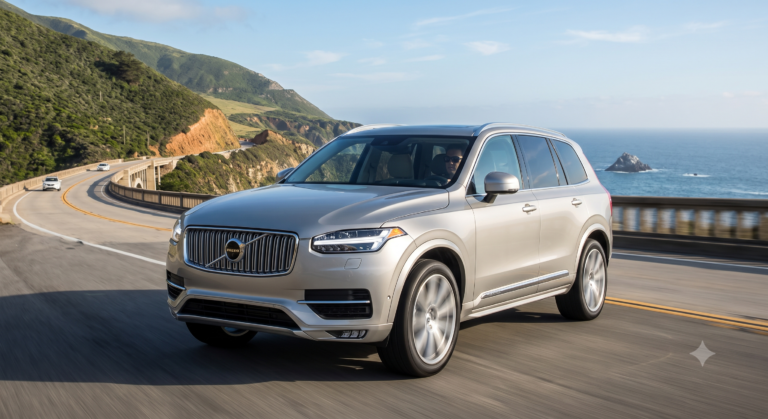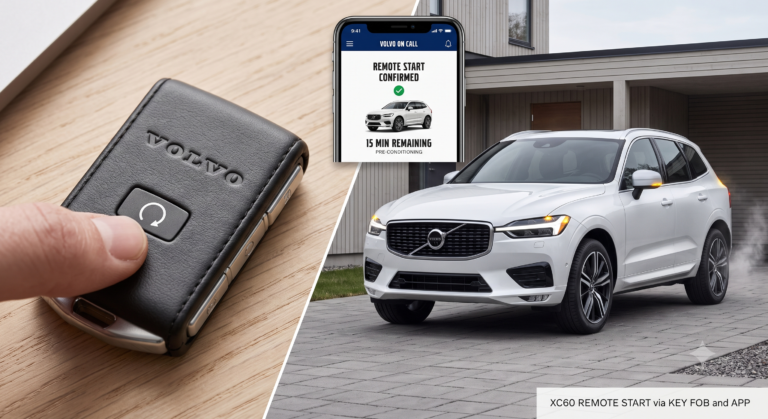

Does the Volvo XC90 Qualify for a Tax Credit ?

Search “Volvo XC90 tax credit” and you’ll still find dealer pages advertising up to $7,500 off. That number stopped being true for most buyers months ago.
I’ve tracked the federal EV incentive landscape across Volvo’s lineup for this series, and the XC90’s tax-credit story changed dramatically in late 2025. Here’s the current, accurate answer — not the leftover marketing copy still floating around. (as of July 2026)
TL;DR
- No — the federal EV tax credit no longer applies to any 2026 Volvo XC90 purchase. <cite index=”48-1″>The federal credit expired for vehicles purchased after September 30, 2025.</cite>
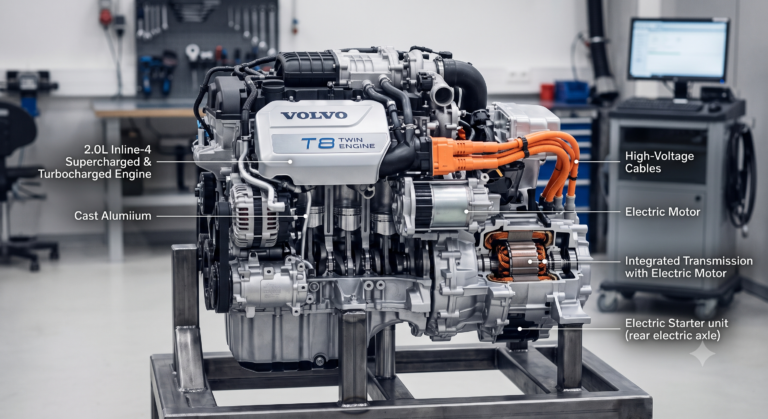
- Before the expiration, the XC90 Recharge/T8 plug-in hybrid historically qualified for a partial or full federal credit (up to $7,500 in some years), depending on battery capacity and assembly rules at the time.
- The gas/mild-hybrid XC90 (B5/B6) never qualified for the EV credit — it isn’t a plug-in vehicle.
- A new car loan interest deduction may apply instead for buyers financing a new, U.S.-assembled XC90.
- Some dealer websites still advertise the old $7,500/$5,419 figures — treat those as outdated unless the page has a 2026 date on it.
So, Does the Volvo XC90 Qualify for a Tax Credit?
As of today, no — at least not the federal EV/PHEV credit most buyers are thinking of. <cite index=”48-1″>No federal tax credit is available for vehicles purchased after September 30, 2025, marking the official end of the incentive that plug-in hybrids like the XC90 T8 Recharge previously qualified for under IRS Section 30D.</cite>
This is a genuinely confusing moment to be researching this question, because plenty of still-live dealer marketing hasn’t caught up. <cite index=”53-1″>One dealer page advertises a federal tax credit of up to $7,500 on qualifying all-electric vehicles or up to $5,419 on qualifying plug-in hybrids</cite> — figures that reflect the pre-expiration program, not current law. If you see that number quoted anywhere in 2026, it’s worth asking the dealer directly whether they’ve confirmed it still applies.
The credit didn’t get smaller. It ended. Those are different problems, and only one of them still has a workaround.
What Changed, and When
The shift here wasn’t gradual — it was a hard legislative cutoff, and understanding the date matters if you’re timing a purchase.
<cite index=”48-1″>Historically, plug-in hybrids like the XC90 T8 Recharge were eligible for the full $7,500 federal incentive, but as of October 1, 2025, that program officially expired for new vehicle purchases.</cite> Anyone who took delivery of a qualifying XC90 T8 before that date may still have been able to claim the credit on that tax year’s return — but for purchases from October 2025 onward, that path is closed.
<cite index=”48-1″>A structural policy shift has since introduced a different form of relief tied to financing rather than the vehicle’s powertrain</cite> — more on that below, because it’s the one lever still available to XC90 buyers in 2026.
Quick Tip: If you’re comparing dealer listings and one still quotes a federal EV credit for a 2026 XC90, ask for the specific IRS program name and citation — outdated marketing copy is common enough to be worth double-checking.
The Alternative: New Car Loan Interest Deduction
Since the EV credit disappeared, a different — and much less publicized — deduction has taken its place for some buyers.
<cite index=”48-1″>Buyers financing a new, U.S.-assembled model may qualify for a deduction on up to $10,000 in annual car loan interest.</cite> <cite index=”48-1″>The XC90 is assembled in South Carolina, which qualifies it for this interest deduction.</cite> Unlike the old EV credit, this one has nothing to do with battery size or plug-in capability — it’s about how you finance the vehicle, not which powertrain you choose.
There are real strings attached, though. <cite index=”48-1″>Only buyers with auto loans — not leases or cash purchases — can claim the deduction, the purchase must be after December 31, 2024, and the deduction phases out starting at $100,000 modified adjusted gross income for single filers or $200,000 for joint filers.</cite>
Expert Insight: A 2026 buying-guide analysis estimated that a buyer financing over $50,000 at 5%-plus interest could see more than $2,500 in tax savings from this interest deduction alone — a meaningful consolation for the loss of the upfront EV credit, though it requires financing rather than paying cash.
Historical Context: What the XC90 Used to Qualify For
If you’re researching a used XC90 Recharge purchase, the pre-2025 eligibility rules still matter for figuring out what a previous owner may have claimed.
<cite index=”52-1″>Volvo upgraded the XC90 Recharge’s battery to 18.8 kWh with up to 35 miles of electric-only range starting with the 2023 model year</cite>, a change that affected which years qualified for the larger portion of the old credit. Assembly location also mattered under the prior rules — <cite index=”54-1″>most XC90s were assembled in Torslanda, Sweden, which complicated eligibility under the North American assembly requirement that applied to the EV credit before its expiration.</cite>
None of this affects a 2026 purchase, since the credit itself is gone — but it’s relevant if you’re evaluating a used XC90 Recharge and trying to understand what the original buyer’s tax situation may have looked like.
Federal vs. State Incentives: Current Status
| Incentive Type | Status for 2026 XC90 Purchases |
|---|---|
| Federal EV/PHEV tax credit (IRC 30D) | Expired for purchases after Sept. 30, 2025 |
| New car loan interest deduction | Potentially available for financed, U.S.-assembled models |
| State EV/PHEV rebates | Vary by state — some remain active |
| Section 179 business deduction | Separate from EV credit; based on GVWR, not powertrain |
Pros & Cons by Buyer Type
The Buyer Who Was Counting on the $7,500 Credit
- Pros: The loan interest deduction offers a partial substitute if you finance rather than pay cash.
- Cons: The deduction requires financing and phases out at moderate income levels, so it won’t help everyone equally.
The Cash Buyer
- Pros: No loan means no interest payments to worry about long-term.
- Cons: Cash purchases don’t qualify for the new interest deduction, since it’s tied specifically to financed loans.
The State-Incentive Researcher
- Pros: Some states still offer their own EV/PHEV rebates independent of federal policy.
- Cons: State programs vary widely and change often — what applies in one state may not exist in a neighboring one.
Frequently Asked Questions
Can I still get a federal tax credit for buying a Volvo XC90 in 2026? No. The federal EV/PHEV tax credit expired for all vehicles purchased after September 30, 2025, regardless of powertrain or assembly location.
Does the gas-only XC90 (B5/B6) ever qualify for an EV tax credit? No — the mild-hybrid gas engines never used a plug-in battery large enough to qualify under the federal EV credit rules, even before the program expired.
I bought an XC90 Recharge before October 2025 — can I still claim the old credit? Vehicles purchased and placed in service before the September 30, 2025 cutoff may still have been eligible under the prior rules; consult a tax professional about your specific purchase date and filing year.
Is there any tax benefit left for financing a new XC90? Possibly — <cite index=”48-1″>buyers financing a new, U.S.-assembled XC90 with an auto loan may qualify for a deduction on up to $10,000 in annual loan interest, subject to income phaseouts.</cite>
Do state EV rebates still apply to the XC90 even though the federal credit is gone? Some do. <cite index=”48-1″>States like California, New York, and Colorado have offered rebates for plug-in hybrids independent of federal policy</cite>, though amounts and eligibility vary and should be checked against your state’s current program.
Key Takeaways
- The federal EV/PHEV tax credit expired for all purchases after September 30, 2025 — no XC90 configuration qualifies for it in 2026.
- Some dealer marketing still advertises the old $7,500 figure; treat that as outdated unless confirmed current.
- A new car loan interest deduction (up to $10,000/year) may apply to financed, U.S.-assembled XC90 purchases, with income phaseouts.
- The gas-only XC90 never qualified for the EV credit in the first place — only the Recharge/T8 plug-in hybrid did, historically.
- Choose to explore the loan interest deduction if you’re financing rather than paying cash. Choose to check your state’s program if you want to know whether any incentive still applies to your purchase.
What To Do Next
Before assuming any tax benefit applies to your XC90 purchase, confirm your state’s current EV/PHEV rebate program and talk to a licensed tax advisor about whether the new loan interest deduction fits your financing plan — the federal EV credit itself is no longer part of the equation.