How Long Do Volvo XC60s Last? Average Miles, Engines & Buying Tips

The Volvo XC60 has been Sweden’s answer to the BMW X3 and Audi Q5 since 2008, and it has quietly built one of the better longevity reputations in the luxury-compact segment. But “how long do they last?” is a question with two honest answers: the statistical average across every XC60 on the road, and what’s achievable with a well-maintained example. Both matter — especially if you’re shopping used.
- The current data is better than the old figures: iSeeCars’ latest analysis puts the XC60 at ~169,700 miles and 16.3 years average, with a 28% shot at 200,000 miles — both up from the older 155,000-mile/18% numbers you still see quoted.
- RepairPal scores it 4.0 out of 5.0 (4th of 11 luxury compact SUVs) with average annual repair costs of $746 — below average repair severity, meaning major failures are uncommon.
- Engine choice is the biggest longevity lever: the 3.2L six (2009–2012) had piston-ring oil consumption issues; 2015–2016 Drive-E four-cylinders had a piston-defect class action; the 3.0L T6 six and later Drive-E cars have the cleanest records.
- Common high-mileage wear items include the PCV/valve-cover assembly, suspension bushings and struts, the A/C evaporator, and warped brake rotors — annoying and sometimes pricey, but rarely engine-killers.
- Buy on records, not odometer: a 150,000-mile XC60 with a full service history is a better bet than a 90,000-mile one with gaps.
The Two Different Numbers You’ll Find Online
Search this question and you’ll see two very different claims. Dealer and enthusiast blogs typically say 200,000 to 250,000 miles with excellent maintenance. Independent data analysts like iSeeCars, which studied over 300 million vehicles, report the average XC60 lifespan at 169,687 miles — about 16.3 years — with a 28.1% chance of reaching 200,000 miles.
Both numbers are honest; they answer different questions. The data-driven average includes every XC60 on the road: neglected cars, cars totaled in crashes, cars driven hard. The 200,000–250,000-mile figure describes what’s achievable — the upper band for a car that has lived the good life. Note something encouraging: the older 155,000-mile/18% figures you may remember from a few years ago have both improved in iSeeCars’ current data, and the model now ranks 3rd of 28 most reliable luxury small SUVs with a 7.9-out-of-10 reliability score.
Longevity by Generation
The XC60 has had two distinct generations, and the first generation itself splits into two engineering eras. Where your car falls matters.
| Generation | Model years | Main engines | Typical lifespan range | High-mileage ceiling |
|---|---|---|---|---|
| First gen, six-cylinder era | 2009–2014 | 3.2L I6, 3.0L T6 turbo I6 | 150,000–190,000 mi | 220,000+ mi for well-kept 3.0 T6s |
| First gen, Drive-E transition | 2015–2017 | 2.0L Drive-E T5/T6 fours (plus carryover sixes early) | 140,000–180,000 mi | 200,000+ mi; avoid 2015–2016 four-cylinders with oil consumption |
| Second gen (SPA), early | 2018–2021 | 2.0L T5/T6/T8 Recharge | Data still maturing; outlook 150,000–200,000 mi | Too new for proven 200k+ fleets, but trend lines are strong |
| Second gen (SPA), mild hybrid | 2022–present | B5/B6 mild hybrids, T8 Recharge | Too new for meaningful averages | Buy on warranty and records; complexity favors dealer servicing |
Here’s the XC60’s history in one glance:
Engine-by-Engine Reliability
This is where the XC60’s reputation is actually decided. Same badge, very different risk profiles.
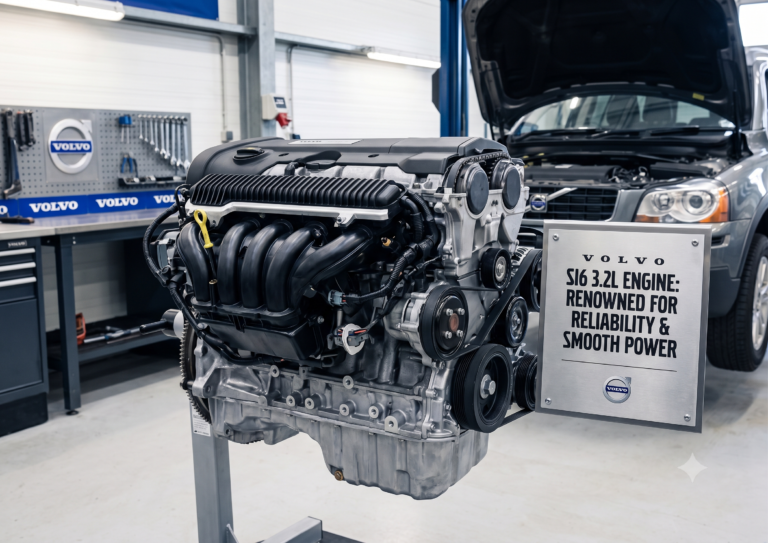
The 3.2L inline-six (2009–2014): watch the oil. The naturally aspirated 3.2 is otherwise a durable, smooth engine, but 2009–2012 examples are known for oil consumption caused by faulty piston rings — Volvo issued a technical service bulletin for it, and owners on repair-tracking sites report ring/piston replacements under warranty (some with warranty extensions to 120,000 miles). If you’re shopping a 2009–2012 3.2, check oil consumption history carefully. Later 3.2s are generally fine.
The 3.0L T6 turbo six (2010–2016): the longevity sweetheart. The turbocharged 3.0-liter six (281–304 hp depending on year) has one of the cleanest records in the first generation. Forum regulars on Volvo owner communities note that the 3.0 turbo never developed the piston-ring problems that plagued the non-turbo 3.2 — the oil consumption class action simply didn’t extend to it. Some owners report oil use as miles pile up past 100,000 (often traced to simpler causes like a leaking dipstick tube), but overall this is the first-gen engine to seek out.
The Drive-E 2.0L four-cylinder (2015–2017 transition years): check before you buy. Volvo’s own 2.0-liter Drive-E engines brought great efficiency, but 2013–2016 model-year cars with the 2.0L four-cylinder (and the 2.5L five-cylinder) were subject to a class action lawsuit alleging a piston defect causing excessive oil consumption. The settlement extended warranty coverage to 8 years or 100,000 miles for affected vehicles. Practically speaking, a 2015–2016 T5/T6 with verified ring-repair history can be a fine buy; one that still drinks oil with no paper trail is a risk. By 2017, the issue had faded.
The SPA-era 2.0L family (2018–present): the modern mainstream. The second-generation XC60 runs Volvo’s 2.0-liter in several tunes: T5 (250 hp), T6 (315 hp, turbocharged and supercharged), and the T8 Recharge plug-in hybrid (407 hp, later 455 hp). Long-term data is still maturing simply because the oldest of these are only now approaching high-mileage territory, but early reliability trend lines are strong — which is exactly what iSeeCars’ improved 169,687-mile average is picking up. The T8’s hybrid complexity is the wildcard: it’s the quickest XC60 ever, but battery cooling and hybrid-specific components add servicing complexity. The 2022+ B5/B6 mild hybrids are too new for a verdict; buy on warranty and full service records.
The Common Issues Timeline
Engines aside, here’s what actually sends XC60s to the shop as the odometer climbs — based on owner reports compiled by repair-tracking sites and Volvo forums:
Around 60,000–100,000 miles: the PCV system (integrated into the valve cover on these engines) can fail and need replacement; suspension wear starts showing as control-arm bushings, sway-bar links, and struts wearing out — a full refresh can run several hundred to a couple of thousand dollars depending on the shop. Some owners also report warped brake rotors causing vibration; Volvo issued a recall tied to the autonomous emergency braking system as a contributing factor.
Around 100,000–150,000 miles: the A/C evaporator is a known big-ticket item (RepairPal estimates $1,993–$2,780), and rear coil springs can crack with age. The 2019–2020 models were recalled for a low-pressure fuel pump issue (NHTSA campaign 21V414, covering 85,000+ vehicles) — check that any affected car had the recall work done.
The pattern to notice: these are mostly wear-and-repair items, not catastrophic engine or transmission failures. That’s precisely why RepairPal rates repair severity as “low” and calls major issues uncommon — the XC60 tends to nickel-and-dime rather than blow up, which is good news for a car you plan to keep.
What Actually Determines How Long Yours Lasts
Four things, in rough order of importance. Use the interactive check below to see where your car — or the one you’re shopping — stands.
Ownership Costs: XC60 vs. Rivals
Longevity isn’t just about miles — it’s about what those miles cost. RepairPal’s annual repair-cost averages tell a friendly story for the XC60:
Average annual repair costs (RepairPal). The XC60 sits well below the BMW X3 and lands in the middle of its class — with a 4.0/5.0 reliability rating that ranks 4th of 11 luxury compact SUVs.
Buying a Used XC60: The Short Checklist
If you’re shopping, this is the five-minute version of everything above: 1) Favor the 3.0L T6 six or 2017+ Drive-E cars; verify oil-consumption history on 2009–2012 3.2s and 2015–2016 fours. 2) Demand complete service records — oil every 10k, and ask about PCV and suspension work. 3) Confirm open recalls (fuel pump on 2019–2020, AEB-related brake work) were completed. 4) Budget for the 100k–150k wear items: struts, bushings, and possibly the A/C evaporator. 5) Don’t fear 120,000–150,000 miles on a documented car — the data says that’s roughly where the average car’s life is measured from, not where it ends.
Frequently Asked Questions
How many miles do Volvo XC60s last on average?
About 169,700 miles — roughly 16.3 years — according to iSeeCars’ analysis of over 300 million vehicles. That’s the statistical average across all XC60s, including neglected and crashed cars; a well-maintained example can do substantially better.
Can a Volvo XC60 reach 300,000 miles?
It’s possible but rare. The data gives the average XC60 a 28% chance of reaching 200,000 miles, so 300,000 requires exceptional maintenance, the right engine (the 3.0 T6 six has the best track record), and some luck. Owners in Volvo’s High Mileage Club show it happens — it’s just not typical.
Which XC60 engine is the most reliable?
The 3.0-liter T6 turbocharged inline-six (2010–2016) has the cleanest long-term record of the first-generation engines — it avoided the piston-ring oil consumption problems that affected the 2009–2012 3.2 and the 2015–2016 Drive-E fours. Among newer cars, the post-2016 Drive-E four-cylinders and SPA-era engines trend well, though long-term data is still maturing.
What are the most common problems with the Volvo XC60?
The most reported issues are oil consumption on specific early engines (2009–2012 3.2, 2015–2016 Drive-E), PCV/valve-cover failure, suspension wear (bushings, struts) around 60,000–100,000 miles, A/C evaporator failure at higher mileage, and warped brake rotors. Recalls have covered the 2019–2020 fuel pump and AEB-related brake issues.
Is it worth buying a used XC60 with over 100,000 miles?
Yes, with the right car. At 100,000 miles an XC60 is roughly two-thirds through its statistical average life, and repair severity is rated low. Prioritize full service records, the right engine, completed recalls, and a pre-purchase inspection focused on suspension and A/C — then budget $1,000–$2,500 a year for wear items as it climbs past 150,000.