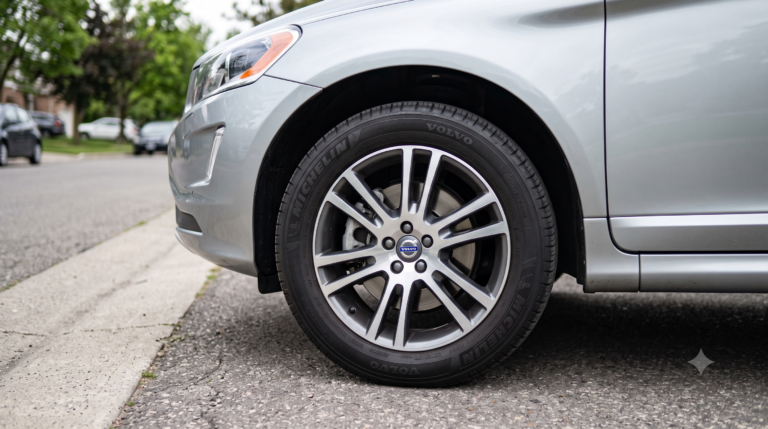

Is the Volvo XC90 Reliable?

Is the Volvo XC90 Reliable?
Every luxury SUV shopper eventually asks the same nagging question, and with the XC90 specifically, the honest answer isn’t a clean yes or no — it’s “which year are we talking about?” Volvo’s flagship three-row has a genuinely mixed reliability track record, with clear high points and one well-documented rough patch. I’ve spent time cross-referencing RepairPal, Consumer Reports, and NHTSA data on the XC90, and the pattern that emerges is more nuanced than a single star rating can capture.
TL;DR
- The XC90 sits in the middle of its class for reliability — not a standout, but far from the worst luxury SUV you could buy.
- RepairPal scores it 3.5/5.0, labeling it “above average” but still ranking it 8th of 14 luxury midsize SUVs.
- Consumer Reports gave the 2025 model a 42/100 predicted reliability score — enough for “Recommended” status, but a ninth-place tie within its class.
- Avoid the 2016 model year specifically if possible — it’s the most frequently cited trouble year, tied to the second generation’s rocky launch.
- 2022, 2024, and 2025 are consistently cited among the strongest recent model years.
The Core Answer
Yes, the Volvo XC90 is reasonably reliable — just not exceptionally so. It lands squarely in “average for a luxury SUV” territory across the major reliability trackers, which is a meaningfully different story than either “unreliable” or “best in class.”
RepairPal’s lifetime data puts it at 3.5 out of 5.0 stars (their “above average” label), ranking 8th among 14 luxury midsize SUVs. Consumer Reports takes a different, more forward-looking approach and scored the 2025 model 42 out of 100 for predicted reliability — enough to earn a “Recommended” designation, but still only a ninth-place tie among its direct competitors. The real variable that matters most, though, is model year: some XC90 years are meaningfully more dependable than others.
Pull-quote: “The XC90 isn’t unreliable — it’s inconsistent, and the model year you pick makes all the difference.”
The One Model Year Worth Avoiding
If there’s a single piece of advice that comes up again and again in XC90 reliability research, it’s this: be cautious with the 2016 model. That year marked the launch of the second-generation XC90, and early production model years frequently carry more growing pains than a manufacturer’s later, more refined versions of the same platform.
Owner complaints and reliability trackers consistently point to oil consumption issues and widespread software glitches as the defining problems of that launch year. This is a fairly typical pattern for redesigned platforms across the industry — it’s not unique to Volvo — but it does mean shopping for a bargain 2016 XC90 carries more risk than picking almost any other year from the same generation.
Quick Tip: If you’re set on a second-generation XC90 but want to avoid the 2016 rough patch, look at 2018 or newer — reliability data shows a clear improvement from that point forward.
How the Numbers Actually Break Down
Reliability scores can look different depending on which organization is measuring them, and understanding why helps you interpret the numbers correctly. RepairPal tracks real repair shop visits, their frequency, cost, and severity across a vehicle’s entire ownership history. Consumer Reports instead surveys its subscriber base annually about problems from the past 12 months, producing a more recency-weighted “predicted reliability” figure, especially useful for newer model years with limited long-term history.
Neither approach is wrong — they’re just answering slightly different questions, which is part of why you’ll see the XC90 described as “above average” in one place and only middling in another.
| Data Point | Figure |
|---|---|
| RepairPal reliability rating | 3.5 / 5.0 (“above average”) |
| RepairPal class rank | 8th of 14 luxury midsize SUVs |
| Consumer Reports predicted reliability (2025) | 42/100 (Recommended) |
| CR class rank | 9th-place tie |
| Average annual repair cost | $851 (vs. $807 class average) |
| Year to avoid | 2016 |
| Strongest recent years | 2022, 2024, 2025 |
(as of mid-2026 data)
Expert Insight: A 2025 Jalopnik review of Consumer Reports’ brand-level rankings found Volvo placed 15th overall for new-car reliability among manufacturers — a signal that the XC90’s middling score reflects a brand-wide pattern rather than a model-specific flaw.
Pros & Cons by Reader Type
Buyer shopping new or recent (2022+) XC90s
- ✅ Among the strongest reliability years in the model’s history
- ✅ Paired with a “Recommended” Consumer Reports badge and strong safety scores
- ❌ Still trails class leaders like the Lexus RX on pure reliability metrics
Used-car shopper considering second-generation years (2016-2021)
- ✅ Years from 2018 onward show clear improvement over the launch year
- ❌ The 2016 model specifically carries real, well-documented risk
- ❌ Plug-in hybrid and air-suspension trims can mean pricier repairs when issues occur
Long-term owner prioritizing high mileage over brand prestige
- ✅ Well-maintained examples, especially first-generation models, have reached 200,000-250,000 miles
- ❌ A Toyota-based competitor will likely edge out the XC90 on pure dependability
- ❌ European parts and specialized labor keep repair costs somewhat elevated regardless of underlying reliability
Real-World Scenario
Imagine spotting a heavily discounted 2016 XC90 at a used lot and a slightly pricier 2019 sitting next to it. The temptation to save money on the 2016 is real, but reliability data consistently flags that exact model year for oil consumption and software issues tied to the platform’s launch — meaning the “savings” could easily evaporate in shop visits within the first year or two of ownership.
Choosing the 2019 instead, even at a premium, reflects the documented improvement Volvo made just a few years into the second generation’s run.
Alternatives Worth Considering
- Choose the Lexus RX if reliability is your single biggest priority — it consistently outperforms the XC90 and most European rivals on this metric.
- Choose a 2018-or-newer XC90 if you want Volvo’s design and safety reputation without the second generation’s documented early-year risks.
FAQ
Is the Volvo XC90 a reliable SUV to own? It’s reasonably reliable — rated “above average” by RepairPal, though only middle-of-the-pack among Consumer Reports’ luxury SUV rankings.
Which XC90 model year should I avoid? The 2016 model, due to well-documented oil consumption and software glitch issues tied to that year’s platform launch.
What does it typically cost to maintain a Volvo XC90? Around $851 per year on average, according to RepairPal — a bit higher than the $807 luxury midsize SUV average.
Are newer XC90 model years better than older ones? Yes — 2022, 2024, and 2025 are consistently cited among the strongest recent years, reflecting improvements since the rocky 2016 launch.
How many miles can a well-cared-for XC90 realistically last? Documented examples, particularly from the first generation, have reached 200,000 to 250,000 miles with proper maintenance.
Key Takeaways
- The XC90 rates as solidly average for its class across major reliability trackers — not a standout, but far from a lemon.
- The 2016 model year is the clearest one to avoid, tied to launch-year oil consumption and software issues.
- Reliability improves noticeably from 2018 onward, with 2022, 2024, and 2025 standing out as strong recent years.
- Average annual repair costs run modestly higher than the luxury midsize SUV class average.
- Well-maintained examples have documented histories reaching well past 200,000 miles.
Next Step
If you’re shopping used, target 2018-or-newer model years and get a pre-purchase inspection to catch any issues specific to the exact XC90 you’re considering.