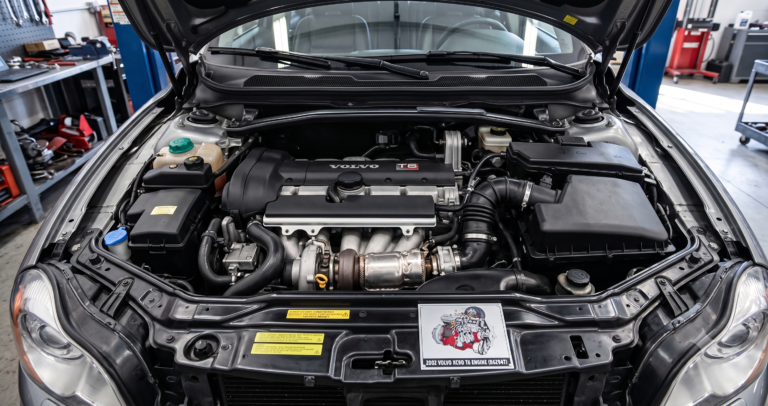
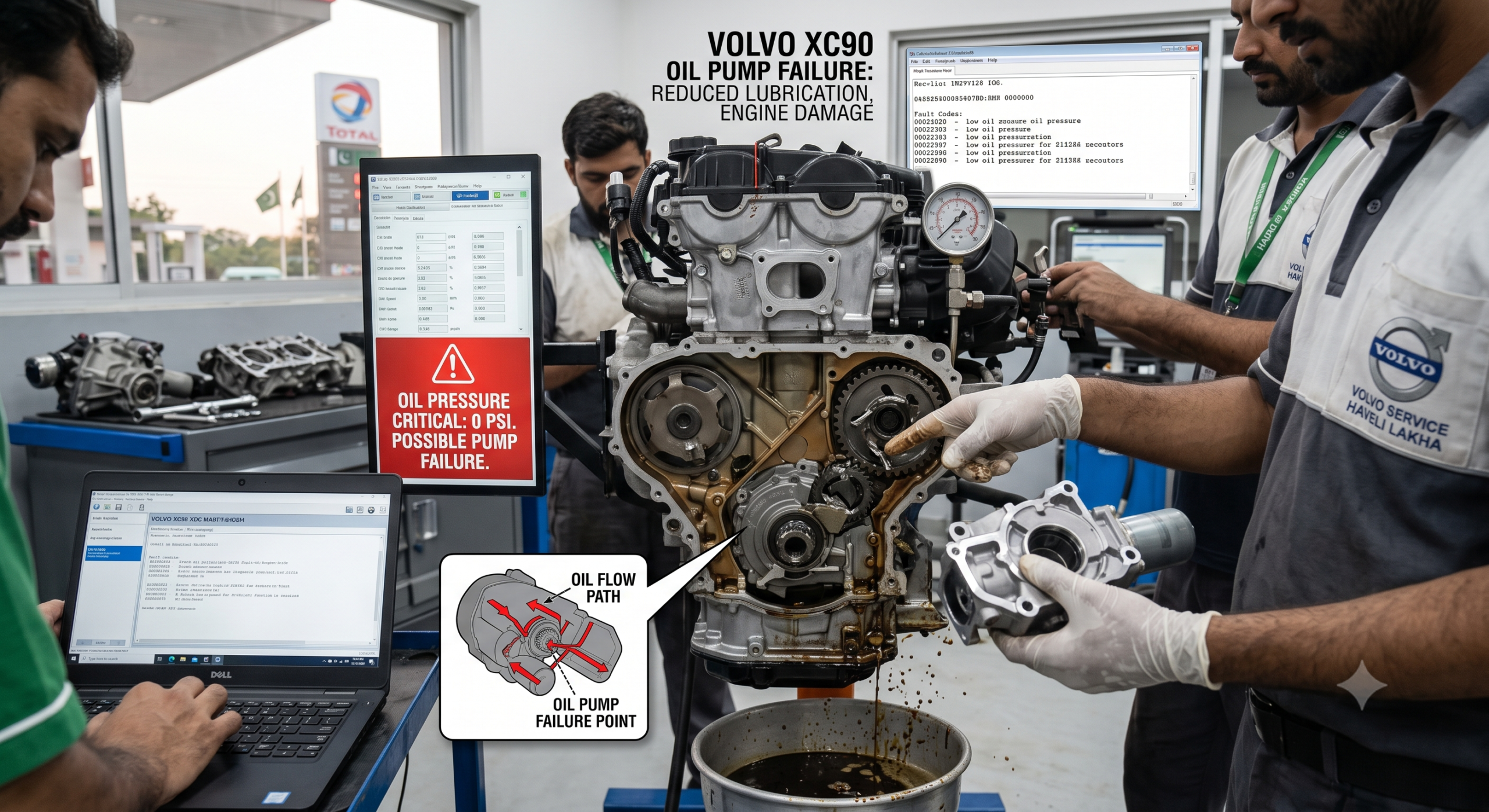
What Happens When the Oil Pump Fails in a Volvo XC90?

Your oil pump doesn’t announce itself when it starts failing — it just quietly stops doing its job, and by the time you notice, your engine may already be in trouble.
This guide is compiled from Volvo service center technical explanations and real owner repair experiences shared on enthusiast forums, so it reflects both the mechanical reality and what actually happens in daily-driven cars.
TL;DR
- A failing oil pump means engine parts stop getting properly lubricated — and that can happen surprisingly fast.
- The first warning is almost always a low oil pressure light, not a total loss of power.
- Left unaddressed, it can cause overheating, warped cylinder heads, or complete engine seizure.
- On the XC90 specifically, sludge buildup from delayed oil changes is a well-documented cause of pickup blockage.
- Catching it early (light on, funny noise) is dramatically cheaper than catching it late (seized engine).
Here’s the short answer: when your XC90’s oil pump fails or gets restricted, oil stops circulating properly, which quickly leads to increased friction, rising engine temperature, and — if ignored — permanent damage to bearings, cylinder heads, or the entire engine.
What the Oil Pump Actually Does
It helps to understand the job before understanding the failure. The oil pump’s entire purpose is to draw oil from the pan and push it, under pressure, to every moving part of the engine — bearings, camshafts, pistons, and more.
Oil isn’t just a lubricant here — it also carries heat away from these components. When the pump can’t maintain proper pressure, you lose both functions at once: parts start grinding against each other with less protection, and they run hotter because the oil isn’t carrying heat away efficiently.
Quick Tip: Think of the oil pump as your engine’s circulatory system — when it fails, it’s not just “less oil,” it’s the equivalent of restricted blood flow to vital organs.
The Warning Signs You’ll Actually See First
This is the part worth paying attention to, because oil pump failure rarely happens instantly — there’s usually a window where you can catch it.
The most common first symptom is a low oil pressure warning light on the dashboard. Bold takeaway: a low oil pressure light doesn’t always mean a failed pump specifically — it can also point to a leak or excessive oil consumption — but it should never be ignored regardless of the cause.
Beyond the warning light, watch for unusual noises like ticking or clanking from the engine, which happens because hydraulic lifters and other components aren’t getting adequate lubrication. Increased engine temperature, even with normal coolant levels, is another sign — since oil also functions as a coolant for internal components.
What Happens If You Keep Driving
This is where the real risk lies. Oil pump failure isn’t a “get it looked at next week” kind of problem — under some conditions, engine components can be damaged within minutes of running without proper lubrication.
If the condition persists, the buildup of heat from inadequate oil circulation can result in warped cylinder heads or a blown head gasket. In the worst-case scenario, you’re looking at oil starvation, where essential components seize or break entirely, often requiring a complete engine rebuild or replacement.
Expert Insight: Even after a failed oil pump is replaced, damage from the period of poor lubrication can be permanent — overheating and internal wear from that window don’t fully reverse just because the new pump is installed.
A Known XC90-Specific Cause: Sludge and Pickup Blockage
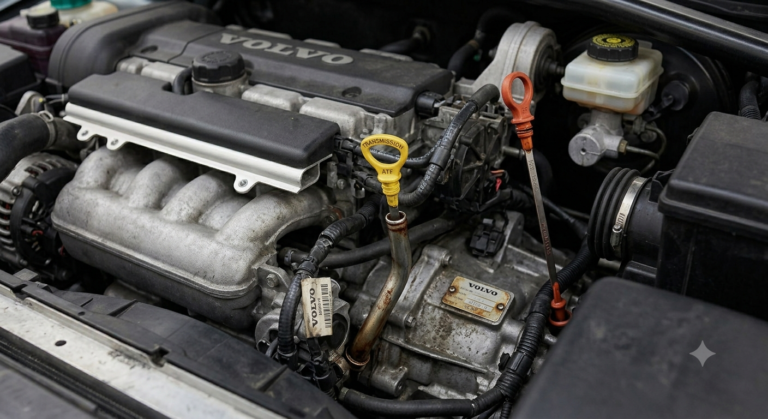
This is worth calling out specifically, because it’s a well-documented pattern in XC90 owner communities, not just generic oil pump theory. On several first-generation XC90s, owners have traced “oil pump” symptoms back to sludge clogging the oil pickup tube in the pan, rather than the pump itself failing mechanically.
One XC90 owner described pulling the oil pan after a low oil pressure warning and finding just enough sludge to clog the pickup, which in turn caused an O-ring to fail on the pickup channel. A separate owner with a 2.5L turbo engine had a nearly identical experience, attributing the sludge buildup to non-synthetic oil and going too long between changes, even while following the standard interval.
Bold takeaway: on these engines, sticking with full synthetic oil and staying disciplined about change intervals isn’t just general good practice — it’s specifically tied to avoiding a documented failure pattern in this platform.
Comparison: Oil Pump Failure Stages
| Stage | What’s Happening | What You’ll Notice |
|---|---|---|
| Early | Reduced oil pressure, possible sludge/pickup restriction | Warning light, maybe nothing else yet |
| Developing | Inadequate lubrication reaching key components | Ticking/clanking noise, rising temperature |
| Advanced | Sustained friction and heat buildup | Warped heads, blown gasket, serious performance loss |
| Critical | Components seizing from lack of lubrication | Catastrophic engine failure, engine won’t run |
The takeaway: the gap between “warning light on” and “catastrophic failure” can be alarmingly short if you keep driving — this isn’t a problem that rewards a wait-and-see approach.
Real-World Scenario: The Highway Warning Light
Picture this: you’re merging onto the highway, put your foot down to pass someone, and a low oil pressure message pops up on the dash. This is exactly the scenario one XC90 owner described — after pulling over and later investigating, sludge in the pan turned out to be the root cause.
The lesson from that experience isn’t just “check your oil light” — it’s that a warning that appears specifically under load (acceleration, passing, climbing) can be an early signal that the system is borderline, even if pressure looks fine at idle.
Pros & Cons by Owner Type
The Proactive Maintainer
- Pros: Regular synthetic oil changes at proper intervals largely prevent the sludge-related pickup blockage seen in XC90 forums
- Cons: Slightly higher ongoing maintenance cost compared to stretching intervals
The “Drive It Till It Breaks” Owner
- Pros: Lower short-term maintenance spend
- Cons: Real risk of a five-figure engine rebuild or replacement if a warning light gets ignored
The Used XC90 Buyer
- Pros: Asking for oil change history before purchase can reveal red flags tied to this exact failure pattern
- Cons: Sludge damage from a previous owner’s neglect may not be visible without a pan inspection
Alternatives Worth Considering
Full synthetic oil on the recommended interval — choose this if you want the most direct, proven way to avoid the sludge-related pickup failures documented on these engines.
Professional inspection at the first warning light — choose this over DIY diagnosis if you’re not confident distinguishing a low oil level, a sensor issue, and an actual pump or pickup problem.
Quick Tip: If you’re buying a used XC90, ask specifically about oil change history and interval — it’s directly relevant to this failure mode, not just generic maintenance small talk.
FAQ
What happens if the oil pump fails while driving? Oil stops circulating properly, which can cause rapid overheating and component wear — in severe cases, engine damage can occur within minutes of continued driving.
Is a low oil pressure light always the oil pump? No — it can also indicate low oil level, a leak, excessive oil consumption, or a faulty sensor, but it should always be treated as urgent regardless of the exact cause.
Can a clogged oil pump pickup be fixed without full pump replacement? Sometimes — some XC90 owners have resolved the issue by cleaning sludge from the pan and pickup tube rather than replacing the entire pump, though this depends on how much damage has already occurred.
How much does oil pump-related engine damage typically cost? Costs vary widely by severity, ranging from a straightforward pump or pickup service to a full engine rebuild or replacement in the most severe cases.
How can I prevent oil pump failure on my XC90? Use full synthetic oil, follow (or shorten) the recommended change interval, and don’t ignore a low oil pressure warning light even if it only appears under acceleration.
Key Takeaways
- Oil pump failure disrupts lubrication and heat removal simultaneously, and damage can occur quickly.
- A low oil pressure warning light is usually the first sign — never ignore it.
- Left unaddressed, it can progress to warped cylinder heads, blown gaskets, or complete engine seizure.
- On the XC90 specifically, sludge from delayed oil changes clogging the pickup is a documented real-world cause.
- Full synthetic oil and consistent change intervals are directly tied to avoiding this known failure pattern.
Next Step
If your oil pressure light comes on — especially under acceleration — pull over and get it inspected before driving further; on this platform, that light has a documented history of pointing to something real.