Volvo V70 vs XC70 Comparison: A Real Driver’s Perspective

Ever stood in a Volvo dealership, scratching your head between the V70 and XC70? Trust me, you’re not alone. As someone who’s put thousands of miles on these Swedish beauties, I’ll help you spot the differences between these wagon twins – minus the corporate jargon and flashy marketing speak.
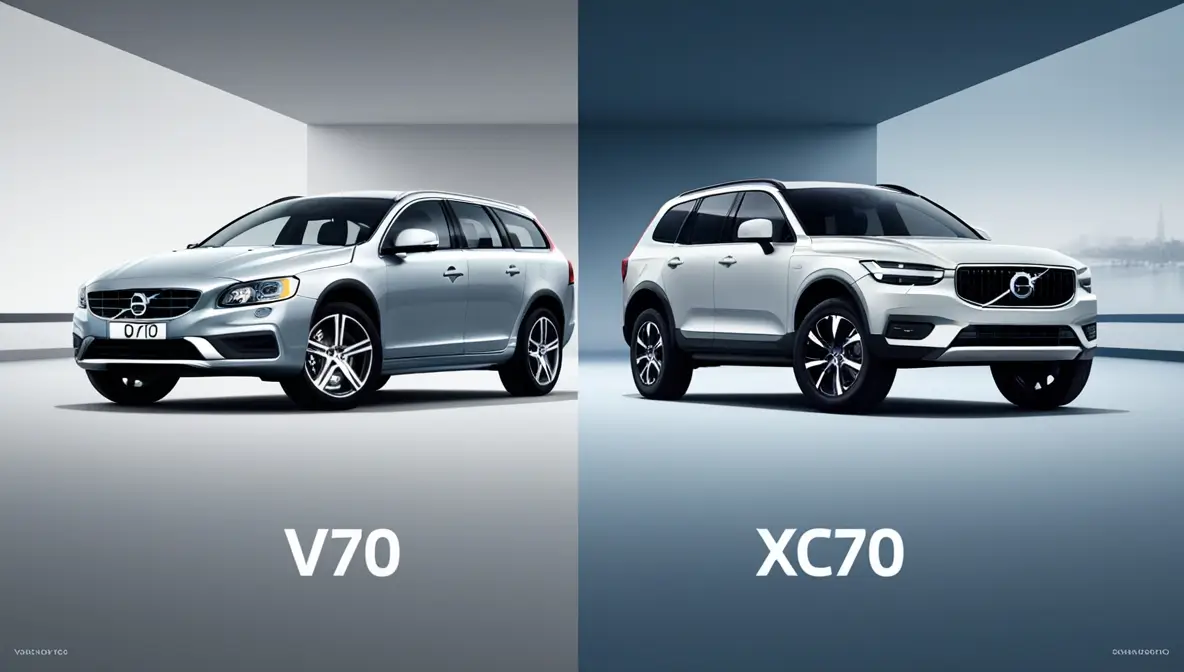
Looking for a quick answer? The V70 is your classic luxury wagon built for smooth city cruising and highway comfort, while the XC70 is its adventurous sibling with higher ground clearance and all-wheel drive for tackling rough roads and winter weather. Think of the V70 as wearing business shoes and the XC70 as sporting hiking boots.
Overview of Volvo V70 and XC70
Key Features of the Volvo V70
Remember that friend who always dressed smartly but never wanted to get their shoes dirty? That’s the V70 in car form. This sophisticated wagon brings everything you’d expect from a premium European car: sleek lines, a planted stance, and that unmistakable Volvo presence.
The V70’s party piece has incredible versatility without compromising on style. With up to 71.4 cubic feet of cargo space, it’ll swallow everything from antique furniture to your kid’s soccer team’s gear. And unlike some wagons that feel like driving a boat, the V70 handles more like an elegant sedan.
I still remember helping my neighbor move his prized vinyl collection – over 500 records fit perfectly in the back of his V70, with room to spare for the turntable. The look on his face when everything slid in without a hitch? Priceless.
Key Features of the XC70
The XC70 is what happens when a V70 decides to go on an adventure. Picture the same wagon but with hiking boots and a backpack. The raised suspension gives you 8.3 inches of ground clearance – enough to handle that rutted cottage road or snowy driveway confidently.
Last winter, I watched my friend’s XC70 cruise past stuck SUVs during a snowstorm. The all-wheel-drive system, combined with those extra inches of clearance, made it look almost too easy. It’s like having a Swiss Army knife on wheels – ready for whatever Mother Nature throws at you.
Skid plates and protective cladding aren’t just for show, either. They’ve saved many an XC70 from expensive repairs when the trail gets rougher than expected. And those roof rails? Perfect for strapping on kayaks, bikes, or that Christmas tree that looked much smaller in the forest.
Design and Exterior Differences
Body Style and Dimensions
While these wagons might look like siblings at first glance, their measurements have some key differences. Thanks to that raised suspension, the XC70 stands about 2.5 inches taller than its V70 cousin. It’s like the difference between wearing sneakers and work boots – same foot, different purpose.
Width-wise, they’re practically identical, sharing the same generous shoulders that Volvo is known for. Length? Also, there are twins here, both stretching to about 190 inches. This means parking spots aren’t any more challenging in either car – a relief for urban drivers.
The real difference comes in their stance. The V70 hugs the road, giving it a warm Swedish embrace, while the XC70 maintains a commanding view of the road ahead. During a recent camping trip, that extra height in the XC70 came in handy when navigating some questionable “roads” that were more like suggestion paths.
Aesthetic and Practical Design Elements
The V70’s clean lines and subtle chrome accents speak to its urban sophistication. It’s the car that looks right at home at the opera house and the grocery store. The front end features a classic Volvo grille that says “premium” without shouting it.
Switch to the XC70, and you’ll notice the rugged body cladding along the sides and wheel arches. These aren’t just for show – they’ve protected many an XC70 from parking lot dings and wilderness scratches. The front and rear skid plates mean business, too. Think of them as armor-plating for your adventures.
Performance and Engine Options
Engine Choices and Power Output
Let’s talk muscle. Both wagons share most of their engine options, the most popular being the silky-smooth 2.5L turbocharged five-cylinder. Think of it as the sweet spot between punch and practicality – enough power to merge confidently but not so much that you’ll scare your passengers.
While with both cars, I noticed the V70 feels slightly peppier on acceleration. It makes sense when you think about it – it carries less weight and sits lower to the ground. The base 2.4L engine pulls well enough for daily duties, but if you’re like me and enjoy a bit more zip, the turbo is worth every penny.
The XC70’s engines must work harder due to the all-wheel-drive system and higher ride height. But here’s a fun fact: that slight “disadvantage” becomes a superpower when climbing steep dirt roads or powering through snow. I once saw an XC70 rescue a stuck pickup truck at a ski resort – talk about David versus Goliath!
Fuel Economy Comparison
Now, let’s address the elephant in the room – fuel economy. The V70 wins this round, typically getting about 2-3 MPG better in city and highway driving. My friend Sarah tracks her fuel costs religiously, and her V70 consistently sips about 20% less fuel than her husband’s XC70.
Think of it this way: the V70 is like wearing regular running shoes – efficient and purposeful. The XC70? It’s wearing hiking boots with extra grip – slightly more effort is required, but it is worth it when you need that capability. In real numbers, expect about 20/28 MPG city/highway for the V70 and 17/25 MPG for the XC70.
Towing Capacity and Load Handling
Here’s where things get interesting. While both wagons can handle typical trailer duties, the XC70’s all-wheel-drive system gives it a slight edge in towing capacity. We’re talking about 3,300 pounds for the XC70 versus 3,000 for the V70.
Last summer, I helped a buddy tow his vintage motorcycle to a show using his XC70. The extra confidence from the all-wheel drive system made a noticeable difference, especially when we hit some rain. The V70 can tow, but the XC70 feels more planted.
Safety and Reliability
Safety Ratings and Features
Let’s be real – this is where both cars shine. After all, we’re talking about Volvo, the company that practically invented car safety. Both models come packed with airbags, stability control, and Volvo’s legendary crash protection structure.
My safety engineer sister calls these cars “rolling fortresses.” She’s not wrong. Both earned top marks in crash tests, though the XC70’s higher center of gravity requires extra electronic helpers to stay planted in emergency maneuvers.
What impresses me is how these safety features work in the real world. A friend’s V70 detected and auto-braked for a deer that jumped out on a dark road – something that would’ve been a much costlier encounter without this technology. The XC70 adds extra protection with its higher riding position, giving you a better view of potential hazards.
Reliability and Known Issues
Time for some honest talk. Both cars are generally reliable, but they’re not perfect. Early 2000s models had some transmission quirks, particularly around 100,000 miles. The good news? Most of these issues have been sorted out in later models.
Keep an eye on the timing belt – it needs changing every 100,000 miles or so. Skip this service at your peril! I learned this lesson the hard way with my first Volvo. But treat these cars right; they’ll easily cruise past 200,000 miles. I regularly see high-mileage examples that are still going strong on my daily commute.
Interior and Comfort
Seating, Space, and Cargo
The interior of both cars feels like a well-designed living room – comfortable, spacious, and practical. With the rear seats up, you’re looking at about 33 cubic feet of cargo space. Fold them down, and that expands to a cavernous 71 cubic feet.
I once helped a friend move his entire apartment using just his V70. We fit a loveseat, several boxes, and even his prized guitar collection. The flat load floor makes it easy to slide heavy items in and out. The XC70’s slightly higher load height might make you lift things a bit more, but the trade-off is less bending over to load items.
What sets these cars apart is their seat comfort. Volvo’s ergonomists must be wizards because you feel fresh even after a 12-hour road trip. I’ve done the cross-country drive in both models, and the seats are better than some luxury hotel beds I’ve slept in.
Comfort Features and Infotainment
Speaking of comfort, both cars have climate control that could teach Mother Nature a thing or two. The dual-zone system keeps your side toasty while your passenger stays cool. I especially love the heated seats – they warm up faster than my morning coffee.
While not as flashy as today’s touchscreens, the infotainment system is refreshingly simple to use. Big buttons and clear displays mean you can change the radio station without taking a computer science course first. Both models share the same system, though in later years, they got some nice upgrades like better Bluetooth connectivity.
One quirky feature I adore is the “theater-style” rear seat design. The back seats are slightly higher than the front, giving rear passengers a better view. It’s like having stadium seating in your car – no more “Are we there yet?” from kids who can’t see out the window.
Driving Experience
On-Road vs. Off-Road Capabilities
Here’s where these Swedish siblings show their different personalities. The V70 feels like it’s gliding on smooth butter while cruising the highway. It corners with confidence and handles city streets like a much smaller car. During my daily commute, it makes traffic almost… almost… enjoyable.
Switch to the XC70, and you’ll notice it’s more adventurous. That extra ground clearance means you can tackle rutted dirt roads without wincing at every bump. Last winter, my neighbor’s XC70 became the unofficial neighborhood hero, helping pull out stuck cars after a massive snowstorm.
The all-wheel-drive system in the XC70 isn’t just marketing fluff – it works. I’ve taken one up muddy mountain roads that would make a regular car wave the white flag. Sure, it’s not a hardcore off-roader, but it’ll get you to that remote camping spot or ski cabin without sweat.
Handling and Steering Differences
Like a well-balanced chef’s knife, the V70’s steering feels more precise. It responds quickly to inputs and gives you a good feel for what the wheels are doing. Through twisty back roads, it’s surprisingly fun – you might forget you’re driving a wagon.
The XC70’s steering is slightly more relaxed, like a conversation with an old friend. It’s not a sports car sharp, but that’s not the point. The softer suspension soaks up bumps better, though you’ll notice more body roll in corners. It’s the difference between dancing shoes and hiking boots – each perfect for its purpose.
Cost and Value
Initial Purchase Price and Depreciation
Let’s talk money – that’s a big part of any car decision. The XC70 typically commands about $2,000-3,000 more than a comparable V70, mainly due to its all-wheel-drive system and rugged upgrades. But here’s the good news: both models hold their value surprisingly well.
Used prices tell an interesting story. The XC70 often retains slightly better value in areas with harsh winters or many outdoor activities. Makes sense – people value that extra capability. I’ve watched my friend’s 2012 XC70 depreciate less than his neighbor’s luxury SUV, which cost nearly twice as much new.
Maintenance and Operating Costs
Now for the “keeping it running” part. Both models share many parts, which is good news for maintenance costs. Regular service intervals are the same, and most mechanics who know Volvos can work on either model. Pro tip: find a good independent Volvo specialist – you’ll save money without sacrificing quality.
The XC70 does have a few extra maintenance items due to its all-wheel-drive system. Think of it like owning hiking boots versus regular shoes – more stuff needs attention. Budget for slightly higher fuel costs, though the difference isn’t huge unless you’re doing mega-miles.
Choosing Between the Volvo V70 and XC70
Ideal Buyers for the V70
The V70 is your perfect match if you spend most of your time in urban or suburban areas and want a practical family car with a touch of luxury. It’s for someone who needs space but doesn’t want to drive an SUV. My friend Lisa, a real estate agent, loves her V70 because it’s professional-looking enough for client meetings but can still handle a trunk full of “For Sale” signs.
Ideal Buyers for the XC70
Choose the XC70 if your lifestyle involves frequent trips off the beaten path or you live where winter shows its teeth. It’s perfect for outdoor enthusiasts, ski families, or anyone who wants SUV capability without the bulk. My brother, an avid mountain biker, swears by his XC70 – it handles his gear-heavy lifestyle while still being refined enough for client meetings.
Summary of Volvo V70 vs XC70 Key Differences
Let’s wrap this up with the essential takeaways. The V70 is your sophisticated urban warrior – efficient, comfortable, and perfectly suited for daily life. It’s like having a Swiss Army knife that happens to be wearing a tailored suit.
The XC70 is the family’s adventurous spirit – just as refined but ready for rough weather and wild weekends. Think of it as that same Swiss Army knife wearing Gore-Tex boots. Both are incredibly capable vehicles, just optimized for different purposes.
Choose based on your lifestyle, not just features. If you never leave the pavement and value better fuel economy, the V70 is your match. But if you find yourself looking at dirt roads with curiosity or living where winter is more than just a season, the XC70 might be worth the extra investment.
Remember, whichever you choose, you’re getting a piece of Swedish engineering built to last. These aren’t just cars; they’re partners in life’s adventures – whether those adventures take you to the grocery store or the great outdoors.