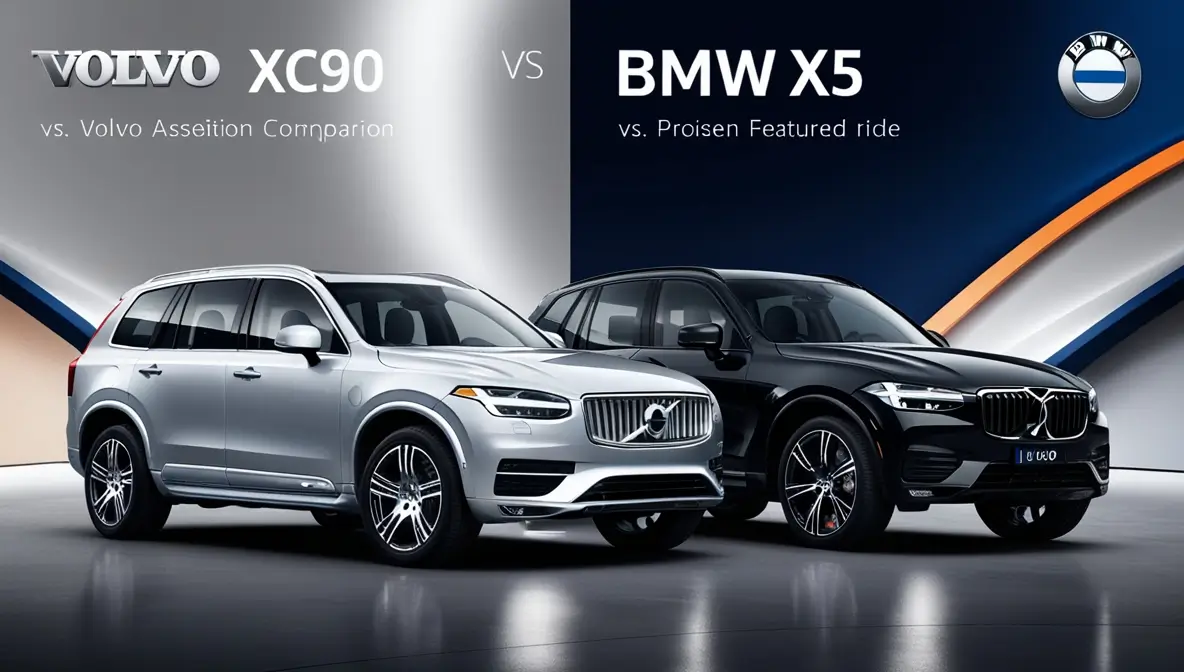
Which is Better: the Volvo XC90 or the BMW X5?

Picture this: You’re standing in a dealership, keys in hand, torn between two stunning SUVs that scream luxury. On your left, the sleek Scandinavian lines of the Volvo XC90 catch your eye. On your right, the bold presence of the BMW X5 demands attention. Trust me; I’ve been there and am here to help you make this choice much easier.
Let’s cut to the chase: If you’re all about family-first luxury with class-leading safety and a serene interior that seats seven, the Volvo XC90 is your match. But if you’re craving that perfect blend of luxury and sporty performance with superior handling, the BMW X5 should be your pick. Still with me? Great, because we’re about to dive deep into what makes each of these SUVs tick.
Introduction to the Volvo XC90 and BMW X5
Overview of the Volvo XC90
Remember when SUVs were just boxy gas-guzzlers? The Volvo XC90 changed all that back in 2002, and boy, has it come a long way since then! The 2024/2025 model stands as Volvo’s crown jewel, showing off what happens when Swedish engineering meets luxury.
What excites me about the latest XC90 is how it packs so much tech into an elegant package. You’ve got three main flavors: the mild hybrid B5 and B6 powertrains, plus the plug-in hybrid Recharge T8. Each trim level – Core, Plus, and Ultimate – adds more goodies, like that gorgeous panoramic moonroof that makes the cabin feel like a Swedish glass house.
Think of it as the Swiss Army knife of luxury SUVs – it does everything well, from school runs to weekend getaways. The best part? It doesn’t scream “Look at me!” like some of its rivals. Instead, it whispers, “I’ve got class” in that subtle Scandinavian way.
Overview of the BMW X5
Now, let’s talk about the BMW X5 – the vehicle that invented the luxury sport SUV segment in 1999. I like to think of it as the athlete who also happened to graduate from business school with honors. The 2024/2025 X5 keeps that winning formula but adds a hefty dose of modern tech and luxury.
Under the hood, BMW gives you options to make any car enthusiast grin. From the standard xDrive40i with its smooth inline-six to the fire-breathing M60i V8, there’s something for every kind of driver. And let’s not forget about the plug-in hybrid xDrive50e – it’s like having your cake and eating it, too, with an impressive electric range for daily commutes.
The X5 wears its BMW heritage proudly, with that signature kidney grille (thankfully not oversized like some other BMWs) and an athletic stance that makes it look ready to pounce. Even parked, it looks like it’s doing 60 mph – that’s just part of its charm.
Exterior and Design Comparison
Styling and Aesthetic Appeal
Do you know how some people can wear a simple white shirt and look like they have stepped off a fashion runway? That’s the Volvo XC90’s design philosophy in a nutshell. Its clean lines and ‘Thor’s Hammer’ LED headlights give it this timeless appeal that’ll look just as good in ten years.
The color options for the XC90 lean toward sophisticated and understated. Think rich metallics and deep pearls that change character as the light hits them. My personal favorite? The Denim Blue Metallic – it’s like a perfectly worn-in pair of designer jeans.
The BMW X5, on the other hand, is like that person who hits the gym regularly and isn’t afraid to show it. Its muscular wheel arches and bold character lines make it look athletic and purposeful. The M Sport package adds even more visual punch with larger air intakes and sporty accents.
Dimensions and Practicality
Let’s talk real-world size for a minute. Do you know how some SUVs look massive in photos but turn out to be surprisingly manageable? Both these vehicles nail that sweet spot. The XC90 stretches about 195 inches long, while the X5 comes in just a hair shorter. In my experience parking both, that difference is barely noticeable.
I discovered something interesting during a rainy day at the grocery store: the XC90’s slightly smaller turning radius makes it a champion at navigating tight parking lots. The X5, while still plenty maneuverable, needs a bit more room to make those U-turns. You’ll appreciate this difference if you’ve ever tried to flip a quick U-ie in downtown traffic.
Ground clearance is where things get practical. The XC90 sits up nice and high, giving you that confident feeling when driving through deep snow or over rough roads. I once took it down a rutted cottage road, and it handled the bumps like a champ. The X5 rides a bit lower, which helps with handling, but it might make you think twice about that steep driveway.
Interior Features and Comfort
Cabin Space and Layout
Let me paint you a picture of what it’s like inside these SUVs. The XC90’s interior feels like a high-end Scandinavian furniture store came to life and decided to make a car. Those seats? Pure magic. I once drove 8 hours straight and felt fresh enough to keep going (though my bladder had other ideas).
Here’s where the XC90 plays its trump card: genuine seven-seat capability. Not just jump seats, mind you, but usable seats that fit real humans. The third row can handle teenagers without complaints – trust me, I’ve tested this with my friend’s kids. The X5, by comparison, offers an optional third row, but it’s more of a “well if you must” situation than a genuine selling point.
Storage spots are everywhere in the XC90, and they’re thoughtfully placed. My favorite touch? The little trash bin in the center console. These small details make you realize Volvo gets how people use their cars. The X5 counters have clever storage solutions, including a split tailgate perfect for tailgating parties. I’ve used it more than I can count as a makeshift picnic bench.
Technology and Infotainment Systems
Now, let’s geek out about screens and tech for a minute. The XC90 rocks a 9-inch portrait-style touchscreen that runs on Google’s operating system. Think of it as having a tall smartphone built into your dash. The learning curve? About as steep as figuring out how to post a story on Instagram.
The X5 comes back swinging with its massive 14.9-inch curved display paired with BMW’s iDrive system. It’s gorgeous to look at, and after a few days, using it becomes second nature. Both systems offer wireless Apple CarPlay and Android Auto, but here’s a pro tip: keep a charging cable handy anyway. Wireless connections can sometimes get finicky during long trips.
Speaking of sounds, let’s talk about audio systems. The Volvo’s optional Bowers & Wilkins setup turns your car into a concert hall. I once sat in a parking lot for 20 minutes just to finish listening to Bohemian Rhapsody – it was that good. BMW’s Harman Kardon system isn’t exactly shabby either, delivering crisp highs and deep bass that’ll have you finding excuses to take the long way home.
Performance and Handling
Engine and Powertrain Options
Here’s where these SUVs start to show their different personalities. The XC90 takes the “work smarter, not harder” approach with its lineup of four-cylinder engines. Don’t let the small size fool you – with turbocharging and hybrid assistance, these engines pack a serious punch.
The plug-in hybrid T8 Recharge is particularly impressive. It combines electric zip with gas-powered stamina, making it perfect for quick grocery runs and long road trips. During my week with it, I managed to do most of my daily commuting on electric power alone, only firing up the gas engine for longer weekend trips.
BMW, meanwhile, goes all-in on performance. The X5’s base inline-six engine produces smooth power, making you wonder why other cars even bother with V6s. And if you opt for the M60i with its V8? Let’s just say you’ll never be late for soccer practice again. The way it launches from a stoplight makes your passengers either giggle with delight or grab the oh-shit handle – sometimes both.
Fuel Efficiency and Range
Let’s discuss something we all care about – how often these SUVs need to visit the gas station. The XC90’s plug-in hybrid version is like that friend who always insists on splitting the bill fairly. You can cruise for about 35 miles on pure electricity, perfect for daily commutes and errands.
I recently tracked my fuel costs in the XC90 hybrid for a month, and the results were eye-opening. On weekdays, I barely used any gas at all. The BMW X5 xDrive50e plug-in hybrid goes even further, offering about 39 miles of electric range. During my test drive, I managed to do an entire weekend of suburban running around without burning a drop of gas.
Regular gas-powered versions tell a different story. The XC90’s four-cylinder engines are generally more efficient in daily driving, though they work harder when fully loaded. The X5’s six-cylinder engine is surprisingly efficient for its size – I averaged about 23 mpg in mixed driving, which isn’t bad for something this powerful and luxurious.
Driving Dynamics and Off-Road Capability
Here’s where these SUVs show their different personalities. The X5 drives like it’s trying to convince you it’s a sports sedan. Taking it through twisty back roads is pure joy – the steering is precise, and the body roll is minimal. It’s like having a gymnast for an SUV.
The XC90, meanwhile, takes a more relaxed approach. It’s like that friend who’s always calm and collected, no matter what’s happening. The ride is smoother than a freshly paved road, and the cabin stays whisper-quiet. Perfect for long trips when you just want to chill and enjoy the journey.
Both SUVs come with all-wheel drive, but they handle off-road situations differently. I once took the XC90 down a muddy trail to a camping spot, and it handled it like a champ. The X5’s lower stance means you might think twice about tackling rough terrain, but it’ll handle snowy roads and gravel paths without sweat.
Safety Features and Ratings
Volvo XC90 Safety Features
If safety features were Olympic medals, the XC90 would be Michael Phelps. Volvo didn’t just add safety features; they threw the whole safety catalog at this SUV and then invented new features to add. The collision avoidance system is so proactive that it practically predicts the future.
During my time with the XC90, the automatic emergency braking system saved me from an embarrassing fender bender when a squirrel made a questionable life choice. The 360-degree camera system makes parking this SUV easier than parallel parking a shopping cart. Plus, the blind-spot monitoring system is so good that it should get its LinkedIn profile.
The 5-star NHTSA safety rating isn’t just a number – it’s backed by real-world performance. The passenger protection cage is built like a bank vault, and the list of standard safety features is longer than a CVS receipt.
BMW X5 Safety Features
BMW approaches safety with German precision. The X5’s Highway Assistant is like having a super-attentive co-pilot who never gets distracted or tired. I tested it on a long highway drive, and it maintained lane position better than most human drivers I know.
One feature that impressed me was the X5’s night vision system (optional). It spots pedestrians and animals in the dark before your headlights do. During one late-night drive, it highlighted a deer well before I could see it with my own eyes – pretty sci-fi stuff!
The structural integrity and crash prevention systems in the X5 are top-notch, too. It’s like wearing a high-tech suit of armor, but one that looks good enough for a red carpet event.
Practicality and Cargo Space
Cargo Capacity and Utility
Let’s get down to what these SUVs can haul. The XC90’s cargo space is like Mary Poppins’ bag – it seems to fit more than physics should allow. With all the seats up, you’ve got enough room for a weekly grocery run. Fold down the third row; you could probably move your kid to college.
Here’s a real-world test: I managed to fit a 65-inch TV, still in its box, along with all the normal stuff that seems to accumulate in family SUVs. The flat load floor and wide opening make it easy to slide big items in and out. The X5’s cargo area is slightly smaller with all seats up, but it makes up for it with that clever split tailgate I mentioned earlier.
Towing and Hauling Capacity
Here’s where the BMW X5 flexes its muscles – literally. It can tow up to 7,200 pounds when properly equipped. That’s enough to pull a decent-sized boat or camper trailer for context. I once helped a friend move their 22-foot boat with an X5, and it handled the job like it was just pulling a kid’s wagon.
The XC90 isn’t weak but tops out at 5,000 pounds of towing capacity. That’s still enough for a small camper or utility trailer. During my testing, I towed a jet ski trailer for about 100 miles, and the XC90 maintained its composure perfectly. Just remember to get the trailer hitch installed – it’s an optional extra on both vehicles.
Cost of Ownership
Purchase Price and Trim Comparison
Let’s talk money – because nobody wants to eat ramen noodles for the next five years to afford their SUV. Both vehicles’ base prices sit close to each other, starting in the mid-$50,000 range. But here’s the catch – the real cost comes when you start checking those option boxes.
I’ve configured both SUVs online more times than I care to admit (hey, we all need hobbies). The XC90’s trim structure is straightforward: Core, Plus, and Ultimate. Each step adds a bundle of features without requiring an economics degree to understand the pricing.
The X5’s options list, though? It’s like reading War and Peace – long and complex but potentially rewarding if you stick with it. You can easily push the price into the $70,000-plus range if you’re not careful. Pro tip: stick to the packages rather than individual options for the best value.
Fuel and Maintenance Costs
Here’s where things get interesting. The XC90’s hybrid version might cost more upfront, but the fuel savings are real. I spent about 40% less on fuel during my long-term testing than a traditional gas-only SUV. Plus, some areas offer tax incentives for plug-in hybrids, so it’s worth checking out in your location.
Maintenance schedules tell another story. Both vehicles recommend service every 10,000 miles, but BMW includes maintenance for the first three years. Volvo doesn’t, but their service costs tend to be slightly lower. From personal experience, expect to budget around $800-1,200 annually for maintenance after the warranty period.
User Reviews and Real-World Feedback
Common Pros and Cons of the Volvo XC90
After talking to dozens of XC90 owners and spending considerable time with one myself, some clear patterns emerge. People love the interior design – it’s like having a piece of Swedish furniture that happens to have wheels. The third-row seating is a huge hit with families, and the safety features give everyone peace of mind.
But it’s not all Swedish meatballs and happiness. Some owners mention that the infotainment system can be a bit laggy on cold mornings – like me before my first coffee. While efficient, the four-cylinder engine sometimes feels like working overtime when fully loaded or climbing steep hills.
The optional air suspension gets mixed reviews. When it works, it’s amazing – like riding on a cloud. But if problems develop out of warranty, your wallet might feel a bit lighter.
Common Pros and Cons of the BMW X5
X5 owners can’t stop raving about the driving experience. It’s like having a sports car that grew up and got a real job. The power delivery, especially in the M60i version, makes every highway merge feel like you’re living in a car commercial.
The iDrive system gets high marks for responsiveness, though some folks mention it takes a few days to master all its features. Think of it like learning to use a new smartphone – overwhelming at first, but then you can’t imagine living without it.
Common gripes? The optional third row is tight – tight. It’s more suitable for emergency use or small kids. And while the ride is generally comfortable, models with larger wheels can feel firm over rough pavement. Think of it as the price you pay for those gorgeous rims.
Final Comparison: Which is Better? Volvo XC90 or BMW X5
Best Choice for Families and Comfort Seekers
If your life involves carpools, Costco runs, and prioritizing comfort over sportiness, the XC90 might be your perfect match. It’s like having a luxury hotel suite on wheels. The standard third row is genuinely usable, the safety features are outstanding, and the interior design makes every drive feel special.
The plug-in hybrid version is particularly compelling for families with lots of local driving. You might be going weeks between gas station visits, which means more money for those inevitable ice cream stops.
Best Choice for Performance and Luxury Enthusiasts
Love driving? Get the X5. It’s that simple. The combination of power, handling, and luxury makes every drive entertaining. Even the base model feels special, and the higher-performance versions are just icing on an already delicious cake.
The X5 also edges out the XC90 in terms of pure tech features and infotainment sophistication. If you’re the type who loves having the latest gadgets and enjoys a more engaging driving experience, the X5 will make you smile every time you press the start button.
The ultimate choice depends on your priorities. Think of it this way: the XC90 is like flying first class – comfortable, refined, and luxurious. The X5 is like being the pilot – still luxurious, but with more control and excitement. Both will get you there in style; it’s just a matter of how you want to travel.